
Before a Pokémon card went into a sleeve, it usually passed through a conversation. Somebody wanted to see the shiny one. Somebody offered a trade. Somebody insisted that the attack number settled the argument, even if neither person knew how to play.
The Pokémon Trading Card Game turns 30 in 2026, but its staying power is easier to understand at a kitchen table than through a spectacular auction price. It turns an imaginary creature into something a person can hold, arrange, lend, play and remember receiving.
The ritual has five parts: opening, discovering, trading, playing and protecting. Each offers a different reason to come back after the excitement of a new pack has worn off.
The cards arrived before the Japanese television series
The Pokémon Company’s historical timeline places the Japanese launch of Red and Green in February 1996 and the trading-card game in October that year. The television series followed in April 1997. The cards were part of the franchise’s early expansion, rather than simply merchandise created after the anime became popular.
The official Japanese twentieth-anniversary site identifies October 20, 1996, as the card game’s starting date. The English-language Base Set arrived in the United States in January 1999, according to the corporate timeline. That distinction explains why childhood memories of the craze begin in different years.
The broader Pokémon story began on Game Boy. The cards gave it a different physical form. A collection no longer needed batteries, a screen or a turn with somebody else’s console.
Opening: a small package with an outsized sense of possibility
A sealed pack briefly hides its own contents. That is the entire trick, and it is powerful. The opening creates a tiny stretch of suspense between something being purchased and something becoming yours.
In childhood memory, the surroundings often matter as much as the cards. There was the shelf you checked in a toy shop, the journey home, or the effort to open the wrapper without damaging anything inside. A trip to Toys “R” Us could become associated with a particular discovery long after the receipt disappeared.

The experience has changed as complete set lists and opening videos have become easy to find. Surprise can now mean seeing a familiar image in your own hands, rather than discovering that the card exists. Either way, an interesting collection needs more to sustain it than buying another moment of suspense.
Discovering: learning to read a card
Pokémon cards reward several kinds of attention. One person studies the illustration. Another notices the attack text. A collector checks the expansion symbol and card number. Familiar characters make the first glance easy; the small details invite a second.
That visual literacy can begin before someone understands the rules. Different borders, symbols and foil treatments become clues. The artwork can also alter a player’s relationship with a creature: a dramatic battle pose and a quiet everyday scene suggest different personalities for the same Pokémon.
It helps to keep those pleasures separate from assumptions about money. A favorite card does not have to be rare, and a foil finish is not a promise of financial value. The interest can be in a particular artist, a complete evolution line or a page of creatures that make you smile.
Trading: the collection becomes a social activity
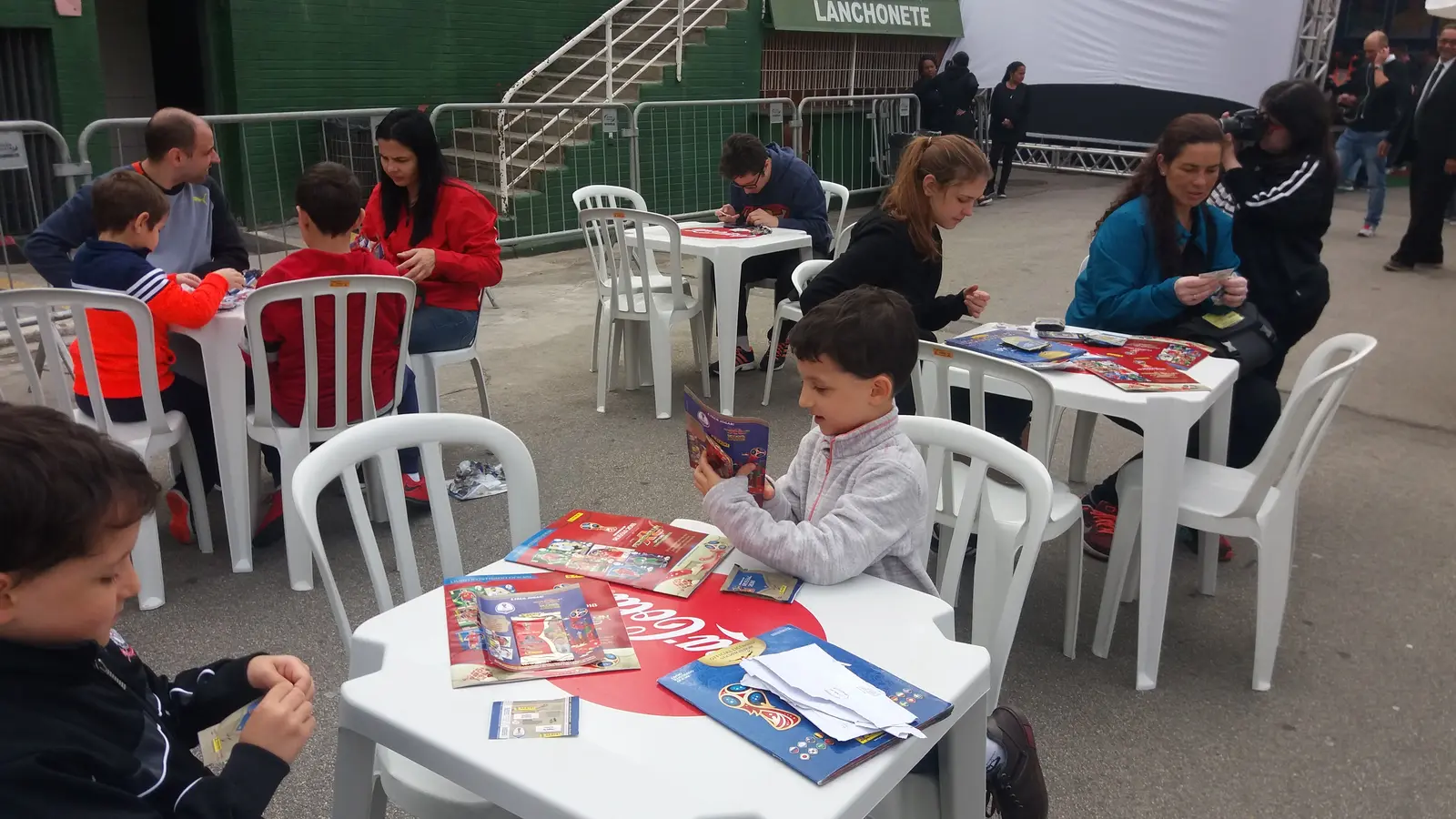
Two open binders create a reason to talk. A duplicate for one person may fill an irritating gap for another. The exchange gives both collections a history that cannot be reconstructed from their contents alone.
That social pattern predates Pokémon. Football stickers, album pictures and other collectibles already supplied the language of doubles, missing numbers and untouchable favorites. Pokémon put creatures and game mechanics into an activity many families recognized.
A good trade also involves learning to hear a refusal. Excitement can make an uneven exchange feel urgent, especially between children with different levels of knowledge. There is no reason a friendly swap needs to happen before both people understand what they are giving away.
The important part is not that every trade produces a perfect collection. It is that an object acquires a human connection: this was the card a friend had, the one a sibling saved, or the one you finally found after months of asking.
Playing: the pictures have work to do
The name includes a word that can disappear behind the collecting headlines: game. In a match, cards become tools. Pokémon, Energy and Trainer cards have different jobs, and the relationships between them matter more than how impressive a binder page looks.
Building a deck changes the question from “Which card do I want?” to “What helps these cards work together?” It brings planning, timing and adaptation into a hobby that can otherwise become a search for the next acquisition.

It also gives familiar possessions a way to produce unfamiliar experiences. A card you have owned for months can become important because of a decision in today’s match. The pleasure comes from what happens across the table, rather than from a new purchase.
Like an evening of shared Nintendo 64 multiplayer, the equipment supplies a structure. The people supply the unpredictable part.
Protecting: a toy becomes a personal archive
Putting a card in a sleeve is a small act of attention. It says that this piece of printed cardboard deserves to survive the bottom of a school bag. A binder makes the promise larger by giving the collection an order.

Some collections follow set numbers. Others arrange favorite types, artists or characters. Those decisions reveal what the owner finds interesting. A page can be a carefully completed checklist or a jumble with an explanation for every pocket.
The physical wear can carry its own history. A bent corner may reduce a card’s condition while making its origin immediately recognizable. Personal importance and market desirability are different questions; neither has to erase the other.
What the thirtieth anniversary adds
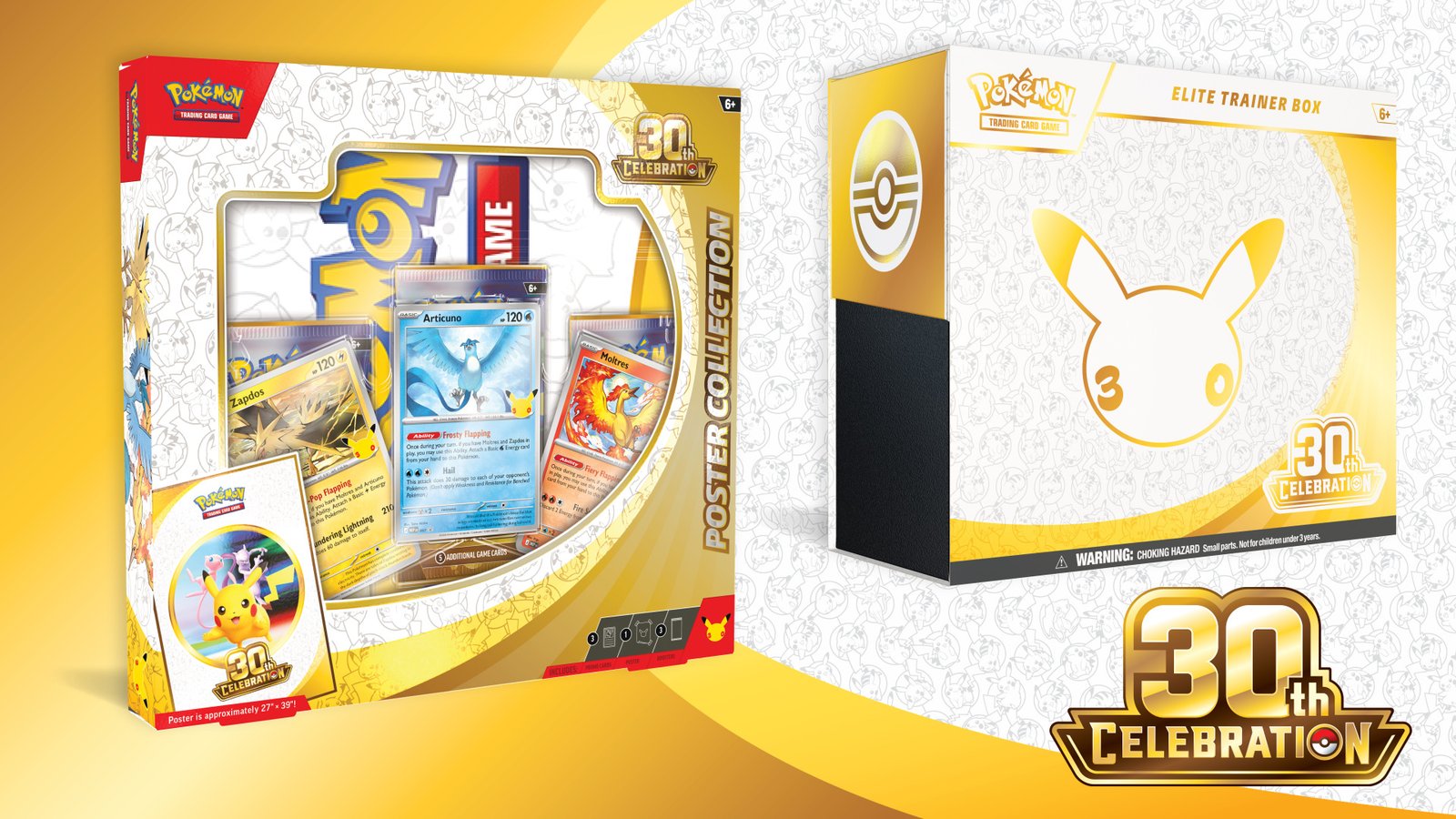
The official September 16, 2026, launch announcement confirms that 30th Celebration is now available. The publisher’s product showcase describes packs containing five foil cards and a foil Basic Energy, alongside returning artwork and new Pikachu illustrations.
That makes the anniversary another meeting point between recognition and discovery. Someone may recognize a familiar composition immediately, while a younger collector encounters it without the same history. The card can start a conversation across that difference.
The anniversary does not need to turn every purchase into an important historical event. Its most convincing connection to the past is ordinary: people sitting together, opening a pack, comparing what they found and deciding what to keep.
The best card is sometimes the one with a story
Thirty years of new sets have changed the game’s appearance, but they have not removed the different ways into it. A player, an art enthusiast and a nostalgic collector can all be interested in the same card for different reasons.
That flexibility gives the hobby room to last. The pack provides a surprise, the binder provides a project, and the table provides somewhere to meet. A collection can become more meaningful without becoming more expensive. Sometimes the card worth keeping is simply the one that reminds you who was there when you found it.


Shared memories