
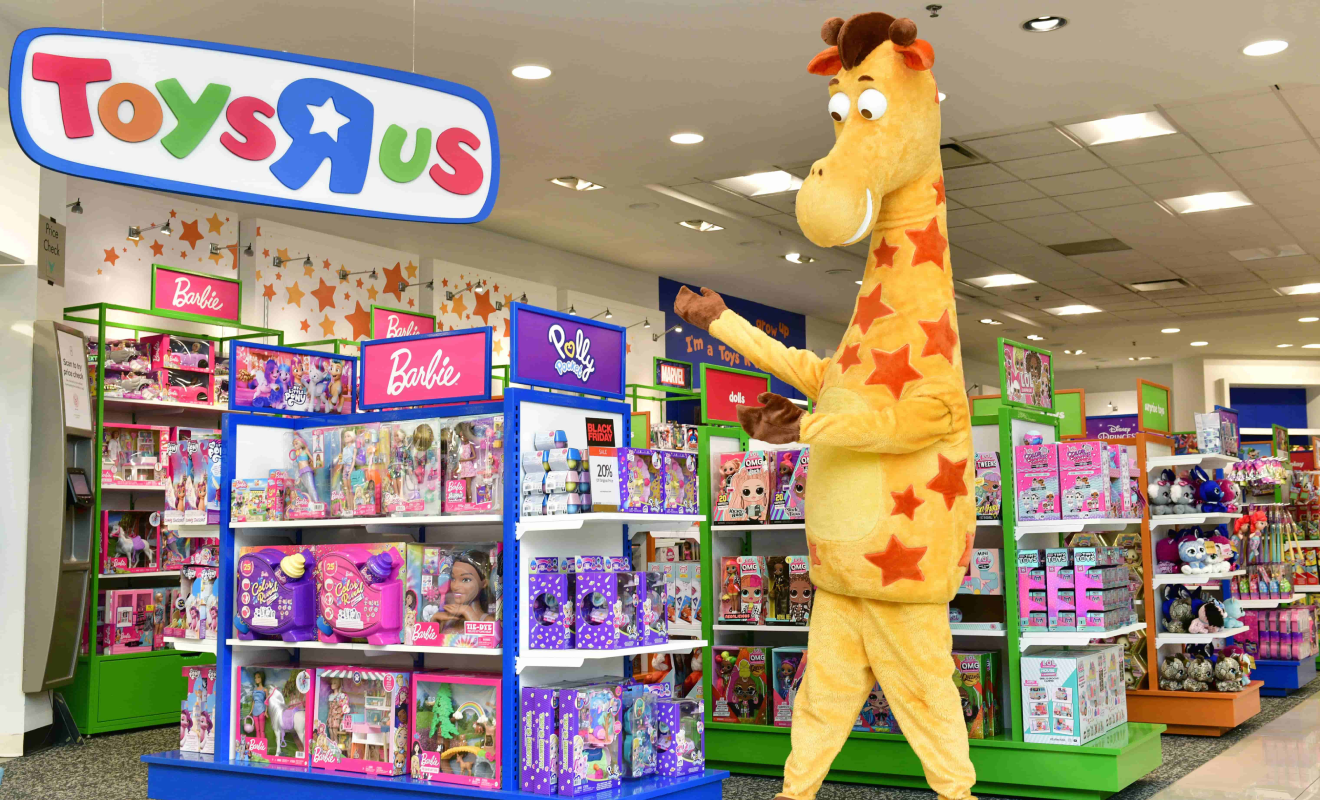
A trip to Toys “R” Us could begin with a promise to look at one thing and end with a completely revised birthday list. There were bicycles above your head, action figures at eye level and entire aisles devoted to things that other shops squeezed into a corner.
That scale made the American store closures in 2018 difficult to absorb. A place that had seemed permanent was selling its fixtures. Geoffrey the giraffe, once a cheerful invitation to enter, became an image people associated with saying goodbye.
But the familiar account—Amazon arrived, children stopped visiting toy shops, and Toys “R” Us disappeared—is incomplete. Heavy debt, changing shopping habits and an unsuccessful restructuring ended the old U.S. chain. The brand survived internationally and has since returned to American retail in several forms.
A baby-furniture shop became a destination for toys
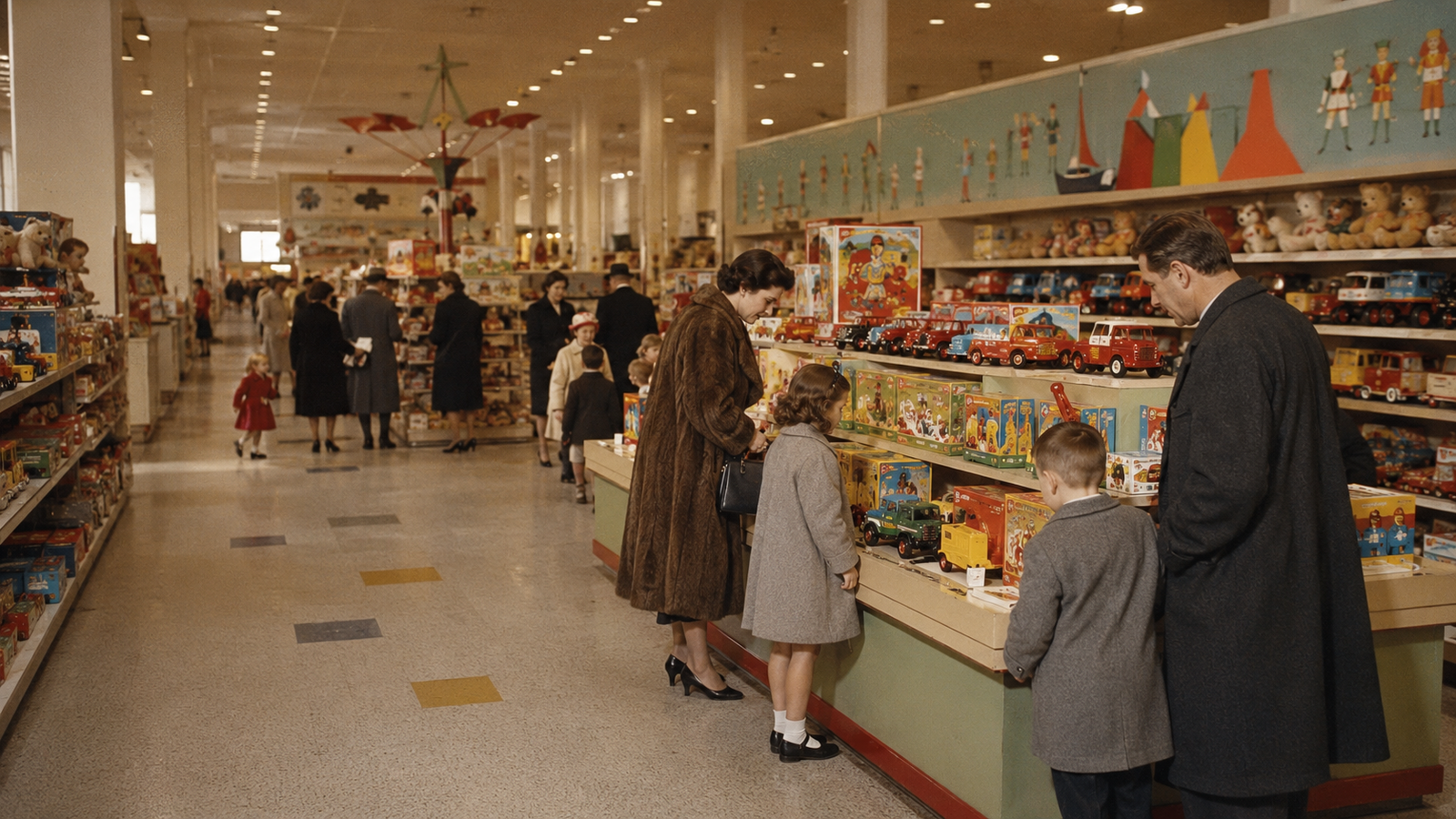
Charles Lazarus began the business in Washington, D.C., in 1948, initially serving families with baby furniture. Toys offered a different pattern of repeat visits: a child outgrew one interest, discovered another and always had another birthday approaching.
The company’s 2016 annual report dates the Toys “R” Us name to 1957. Its defining idea was a large specialist shop with enough range to make the journey worthwhile.
For adults, that meant selection and comparison. For a child, it meant being able to walk through an entire building organized around play. A department that was an afterthought somewhere else became the whole destination.
The store was part of the present
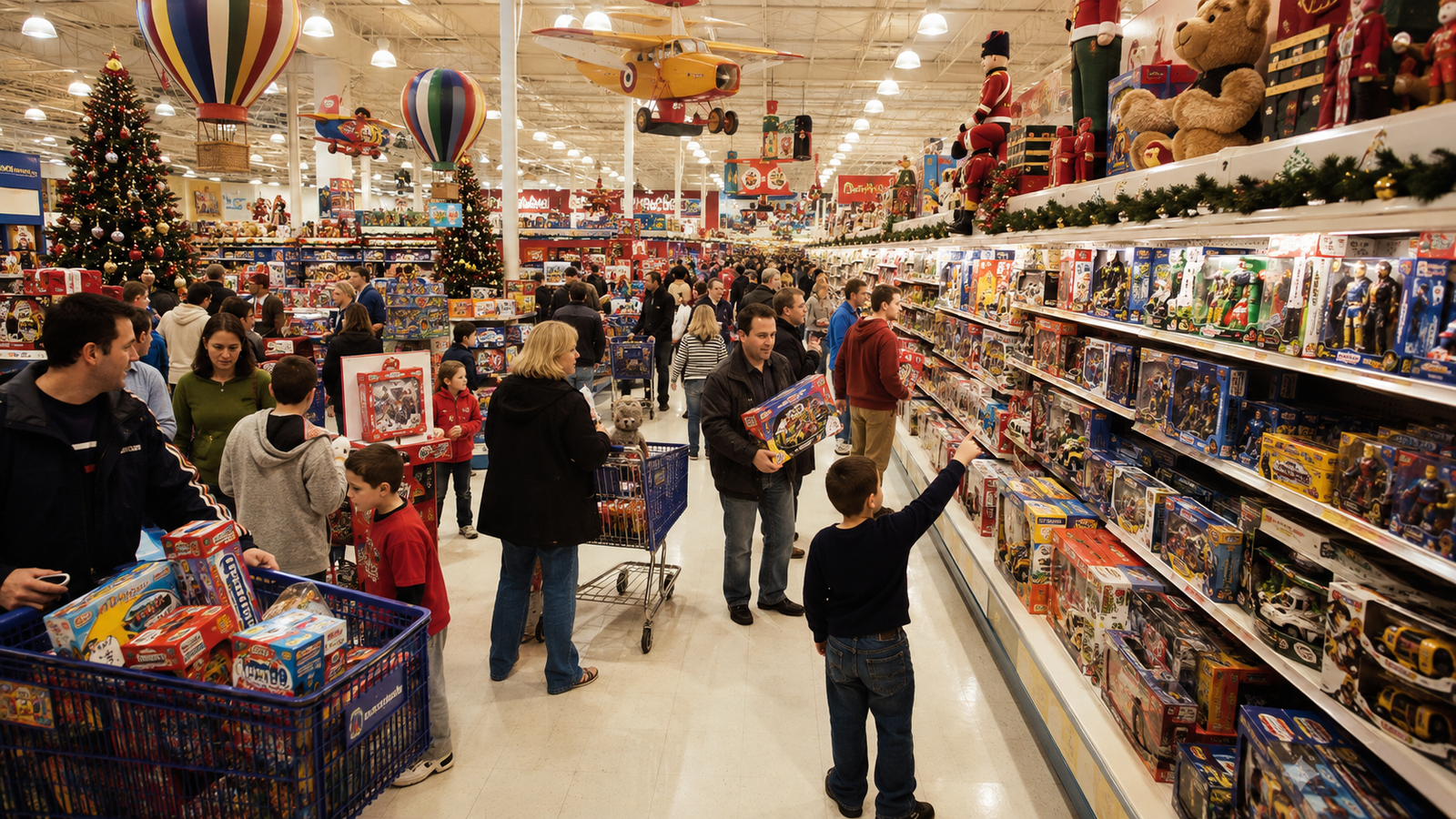
Geoffrey and the playful lettering made the chain recognizable before you reached the entrance. Inside, the attraction was the possibility of discovering something you had not known to ask for.
Television commercials supplied the first glimpse. The shop supplied the box, its weight, the accessories pictured on the back and a much more convincing argument for why you needed it. You could finally see whether a toy looked as impressive outside the commercial.
The video game section added another kind of anticipation. Choosing a game meant reading packaging, comparing a few pictures and trying to judge how much fun a cartridge could contain. Shopping itself became part of the memory of getting it.
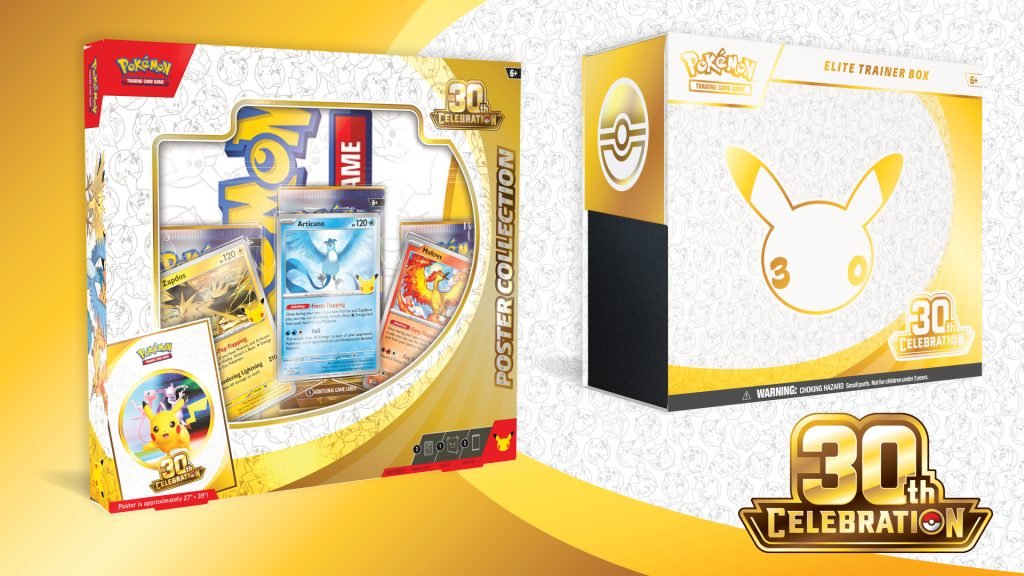
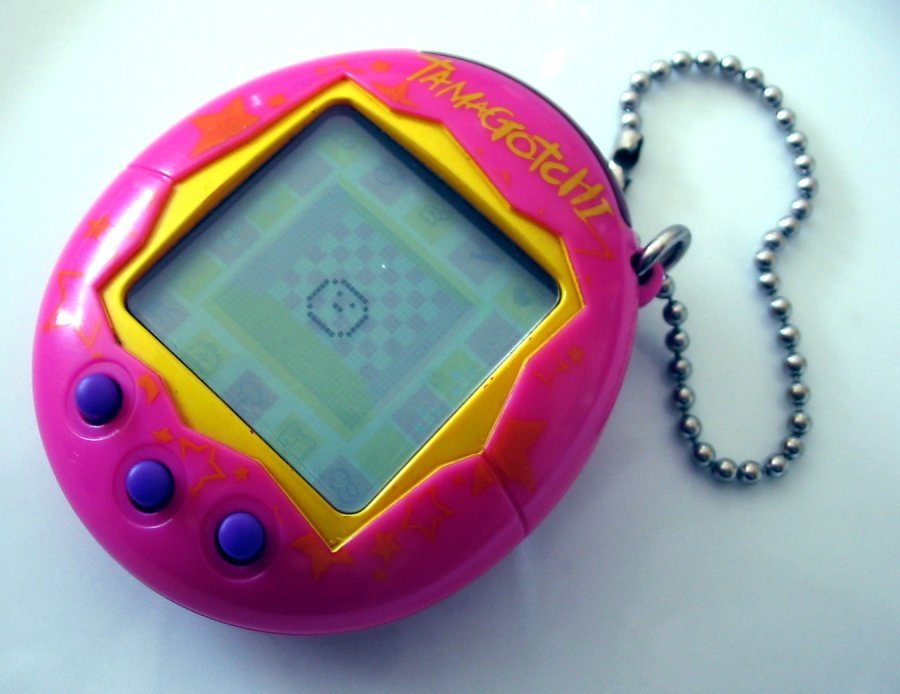
Christmas intensified everything. A popular figure, a console or a toy such as Tamagotchi could turn a normal aisle into the center of a family mission. Not everybody left with what they wanted, but the visit could still become a story.
Competitors made the special trip harder to justify
Being a destination was an advantage until convenience became a stronger attraction. Walmart and Target could sell toys during the same trip a family made for groceries, clothes or household supplies.
Online shopping added a different form of convenience: a searchable selection, price comparisons and delivery. A giant physical inventory was no longer the only way to make a huge range available.
Toys “R” Us did sell online. Its problem was not a complete failure to notice the internet. It needed to improve stores, digital shopping and the connection between them while competitors kept raising expectations.
A familiar name could bring a customer through the door once. The price, stock, service and ease of shopping determined whether they returned. Nostalgia was an asset, but it could not pay for every operational improvement the business needed.
The 2005 buyout left an expensive constraint
On July 21, 2005, an investment group affiliated with Bain Capital, KKR and Vornado completed a $6.6 billion acquisition of the company.
The business then carried a substantial debt burden into a period that demanded reinvestment. Debt service meant cash committed to financial obligations was unavailable for other purposes, including store improvements and digital development.
That does not make every competitive problem a direct result of one transaction. It does explain why the story needs more than a comparison between a website and a toy aisle. A retailer can generate large sales and still struggle to fund the changes necessary to remain competitive.
By the time of its September 2017 restructuring announcement, the company said it was seeking to address roughly $5 billion in long-term debt.
Bankruptcy was supposed to produce a smaller, viable business
The U.S. Chapter 11 filing on September 18, 2017, was initially presented as a route to restructuring while shops continued trading. Bankruptcy protection did not, on that date, mean every store was immediately shutting down.
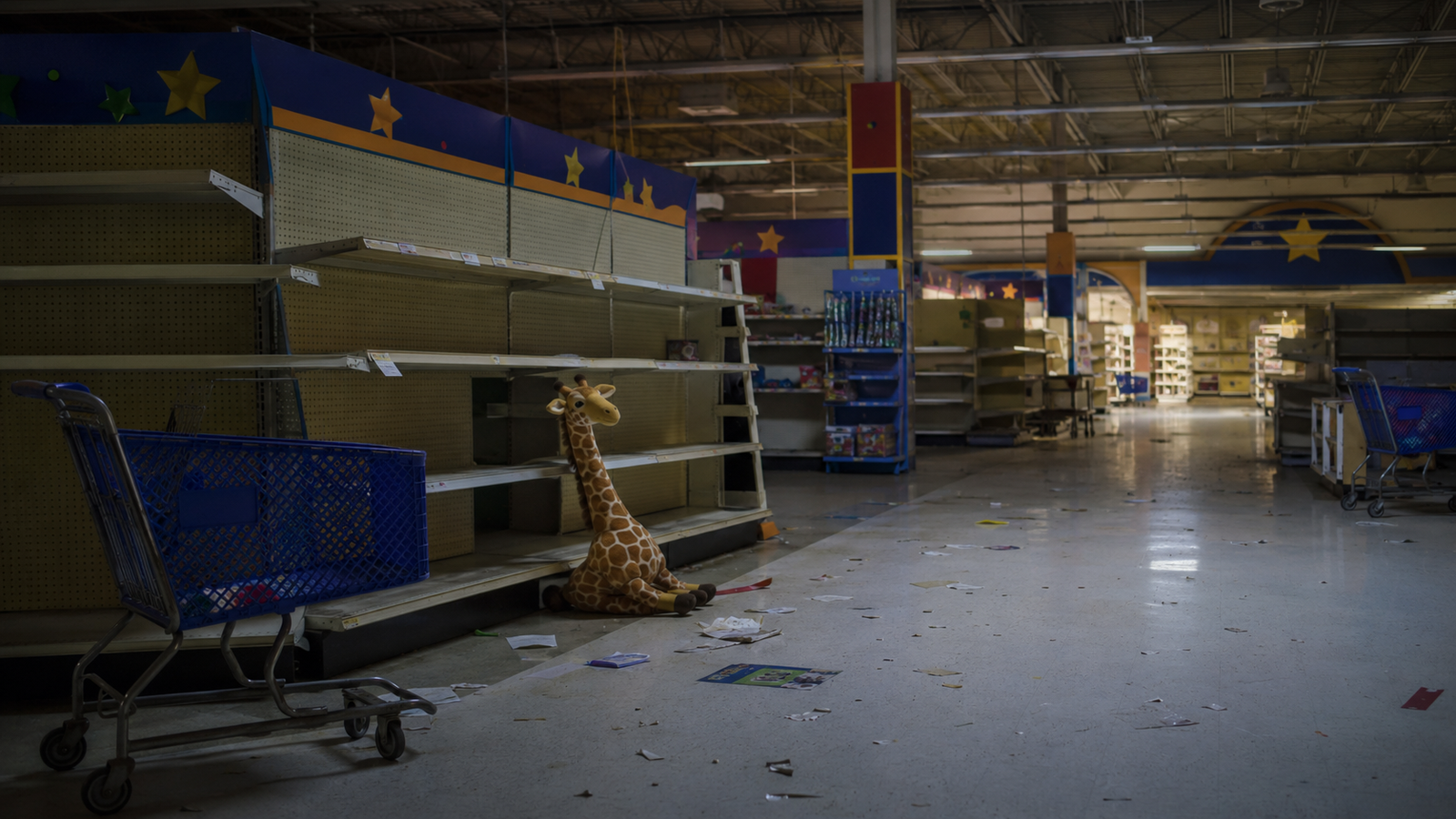
The hoped-for recovery did not arrive. By March 2018, the process had shifted toward liquidation of the remaining U.S. retail operation.
The firms handling the clearance announced going-out-of-business sales at 735 Toys “R” Us and Babies “R” Us locations across the United States and Puerto Rico, beginning March 23. The clearance included inventory and store equipment.
For customers, the visible story was empty shelves. For employees and suppliers, it was the loss of jobs, relationships and a major route to market. The emotional attachment was real, but so were the practical consequences of the closures.
The American liquidation was not a worldwide disappearance
International operations had different ownership and financing arrangements. The original restructuring announcement explicitly distinguished businesses outside the U.S. and Canada from those proceedings.
That matters when somebody says Toys “R” Us “closed forever.” They may be remembering a specific American building or the end of the old U.S. operator. A reader in another country may remember continuing to shop under the same name.
The brand’s later American return also involved a different business structure. Brand ownership, licensing, retail partnerships and individual shop operators should not be collapsed into the idea that the old corporation simply reopened every former location.
The comeback uses several kinds of store
WHP Global’s account of the U.S. revival identifies a flagship at American Dream in 2021, followed by 452 Toys “R” Us shops inside Macy’s in 2022. Those are historical rollout figures, not a verified count of locations open today.
The distinction between formats is useful. A department-store shop, a seasonal location and a large standalone flagship can share a logo while offering very different visits.
There is a new chapter for 2026, too. In a September 17 announcement, Toys “R” Us outlined plans for 120 additional standalone U.S. stores for the holiday season with Go! Retail Group. As of this article’s October review, that is an announced expansion, not proof that all 120 have opened.
The official store locator is the appropriate starting point for checking a location and its details before planning a visit.
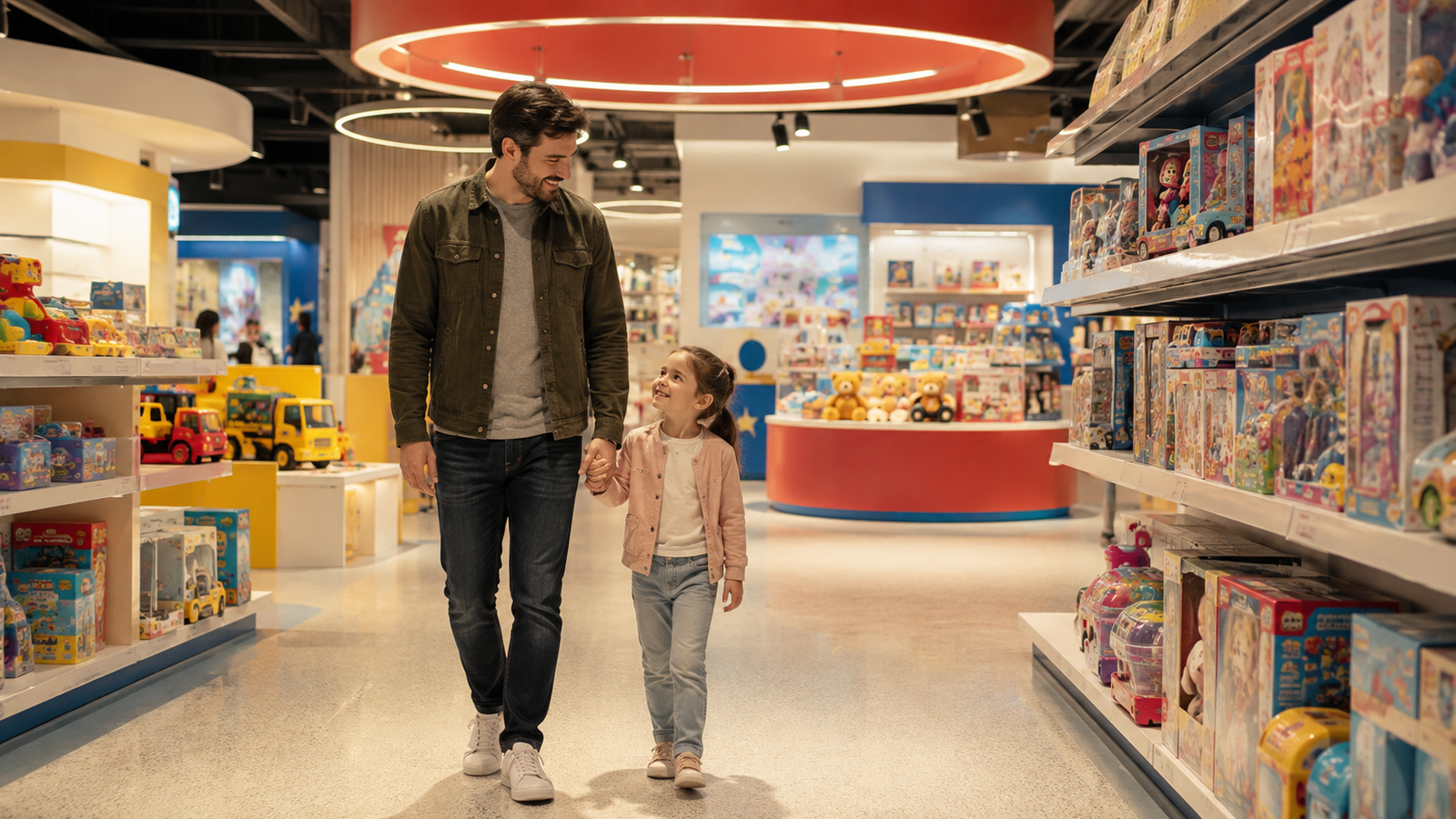
A familiar sign can return; a childhood cannot be reconstructed
Some returning customers want the old warehouse, every aisle and every detail. A new format may disappoint them even if it works perfectly well as a place to buy toys.
Part of the difference is the shopper. An adult sees prices, floor space and a smaller-than-remembered display. A child sees an object they want to pick up. The same building can contain both experiences.
Toys “R” Us remains memorable because it made room for the second one. Its future depends on turning that feeling into a sustainable shopping experience. Its past explains why people still care enough to walk through the doors.

Shared memories