
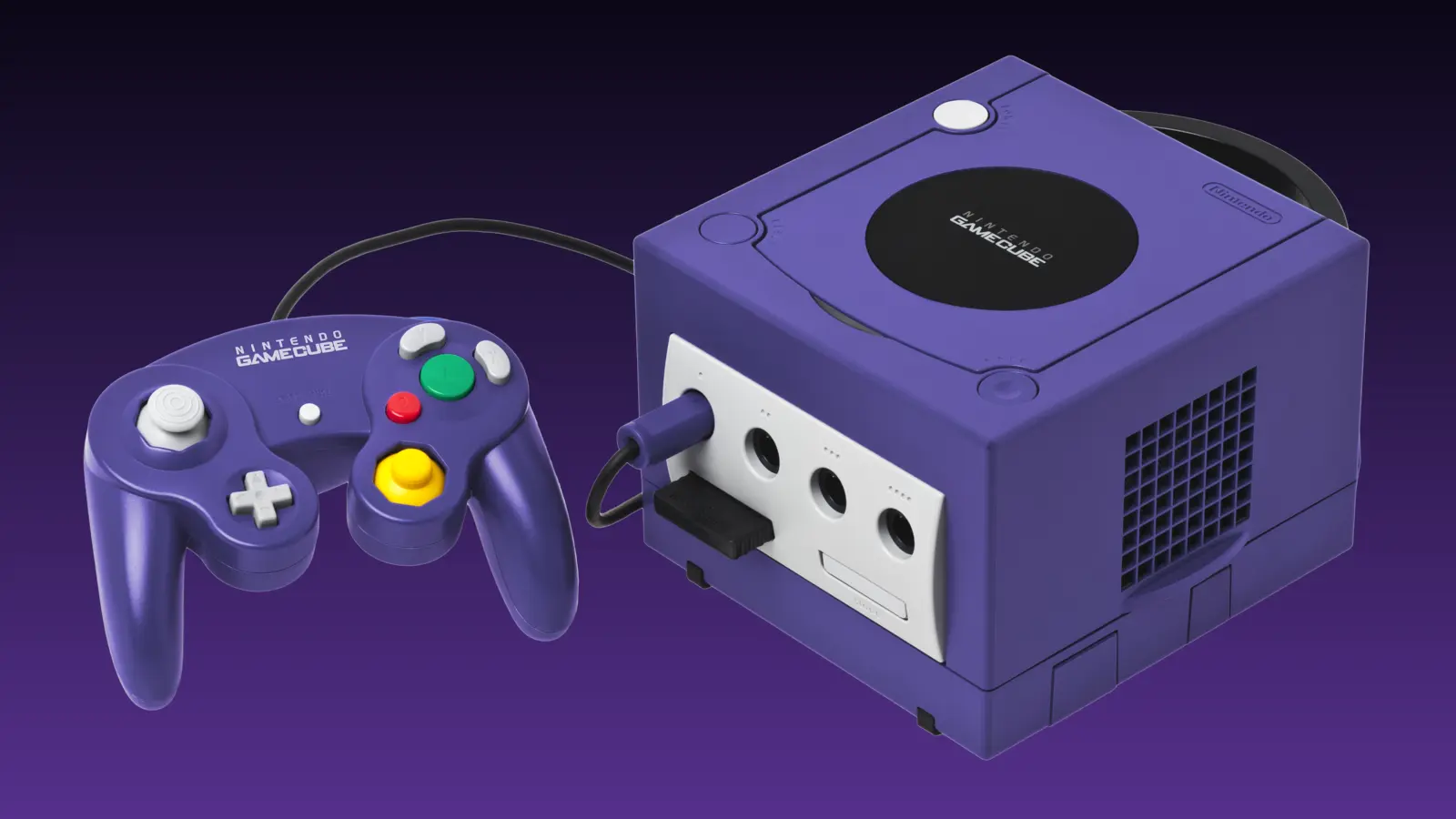
Twenty-five years after its debut, GameCube is finding a place on modern screens. Nintendo GameCube – Nintendo Classics brings a selection of its games to Switch 2 through Nintendo Switch Online + Expansion Pack. There is even a new wireless version of that unmistakable controller.
For a machine once discussed mainly in terms of what it lacked, the affection is striking. GameCube did not win its generation’s sales contest. It did leave behind a shape, a set of controls and a library that are difficult to confuse with anything else. The anniversary invites a better question than who sold the most: what made this little console last in the imagination?
Opening the cube again on Switch 2
The official Nintendo GameCube – Nintendo Classics app is a subscription library for Switch 2 owners with the Expansion Pack membership. It does not make the system compatible with original GameCube discs, and it is not a shop selling those games individually.
That distinction matters for a library whose availability has often depended on old hardware, used copies and occasional rereleases. The collection creates another route back into selected games, even though it does not preserve or replace the entire original catalogue.
Nintendo’s controller support page explains the modern additions: wireless play, USB-C charging, Home/Capture functionality and a C Button for GameChat. The design is intended for the GameCube collection on Switch 2. Its familiar layout is an option, not a requirement to play the games.
A purple lunch box in a living room full of serious electronics
GameCube launched in Japan on September 14, 2001, followed by the United States on November 18. Nintendo’s hardware history records the arrival of a machine entering a fiercely competitive market.
PlayStation 2 had a head start and a persuasive household advantage: it also played DVDs. Microsoft was arriving with the powerful-looking Xbox, its hard drive and its ambition to connect the living room. Nintendo brought a compact cube with an actual carrying handle on the back.
The indigo model looked particularly unembarrassed about being a game console. While other devices tried to blend into an entertainment center, this one seemed ready to travel to a friend’s house. The handle made a small promise: the games did not have to stay in this room.
That appearance could count against it when buyers equated serious-looking hardware with grown-up entertainment. Time has been kinder to its confidence. GameCube still looks like GameCube from almost every angle.
A controller that told your thumb what mattered
The controller rejected a tidy grid of identical face buttons. A huge green A button established the center of attention. A smaller B sat nearby. X and Y had distinctive shapes. The yellow C stick occupied its own corner, while the main stick sat naturally under the left thumb.
It was not equally convenient for every kind of game. But in software built around the layout, the hierarchy could be obvious before you opened a manual. The controller was making a specific argument about how your hand should find the next action.
The L and R triggers offered another distinctive idea: an analog range followed by a click at the end of their travel. A partial press and a full press could mean different things. Super Mario Sunshine made memorable use of that distinction in controlling its water-spraying device.
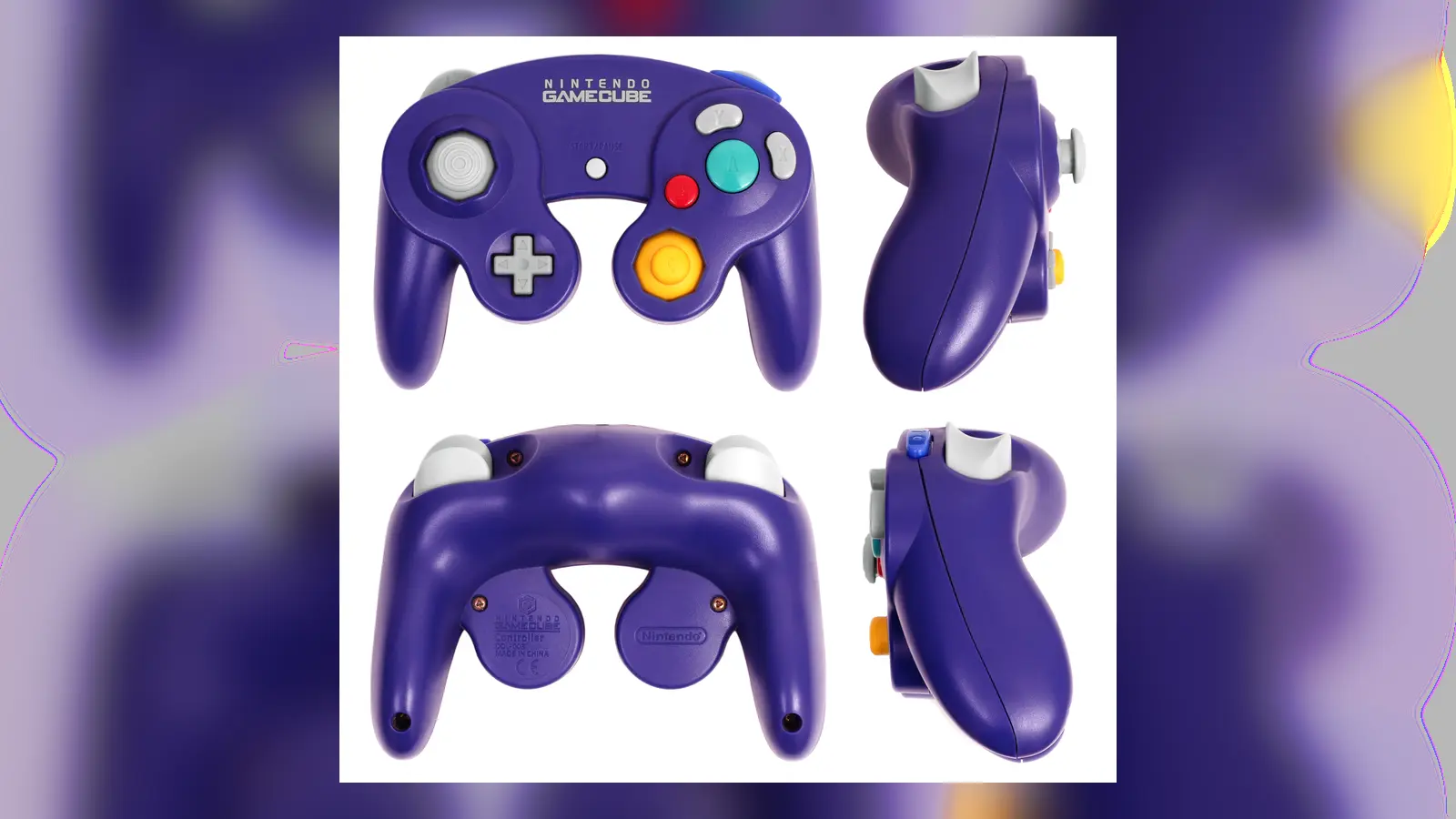
The result was hardware with a point of view. That can be inconvenient in a comparison chart and wonderful in a memory. You do not remember it as just another controller.
Luigi opened the door
Luigi’s Mansion was part of the console’s launch in Japan and the United States. Super Mario Sunshine followed in 2002. For a Nintendo home console, that was an unusual first impression: the nervous brother walked into a haunted house carrying a vacuum cleaner while Mario was missing.
The library repeatedly took familiar ideas somewhere unexpected. The Wind Waker gave Link a vivid animated appearance that some players resisted before seeing the game in motion. Metroid Prime moved exploration and atmosphere into a first-person perspective. Super Smash Bros. Melee turned a character-filled party into something that could sustain intense competitive study.
Then there were Pikmin, F-Zero GX, Paper Mario: The Thousand-Year Door, Animal Crossing and Mario Kart: Double Dash!!. The range was smaller than PlayStation 2’s, but many exclusives arrived with a strongly identifiable idea.
Nintendo had already made the leap into 3D with Nintendo 64. GameCube’s most interesting work asked what else familiar characters and genres could become once that leap was no longer the headline.
Small discs, significant trade-offs
GameCube moved Nintendo’s home console business from cartridges to optical discs. As Nintendo’s corporate history records, that was a meaningful change. The company still chose its own compact disc format rather than the full-size DVDs used by its major competitors.
The discs were eight centimeters across and held less data than a standard DVD. Moving away from N64 cartridges changed the economics of manufacturing games, but the smaller optical format created a different limit. Some projects used more than one disc; developers could also face decisions about compression and content.
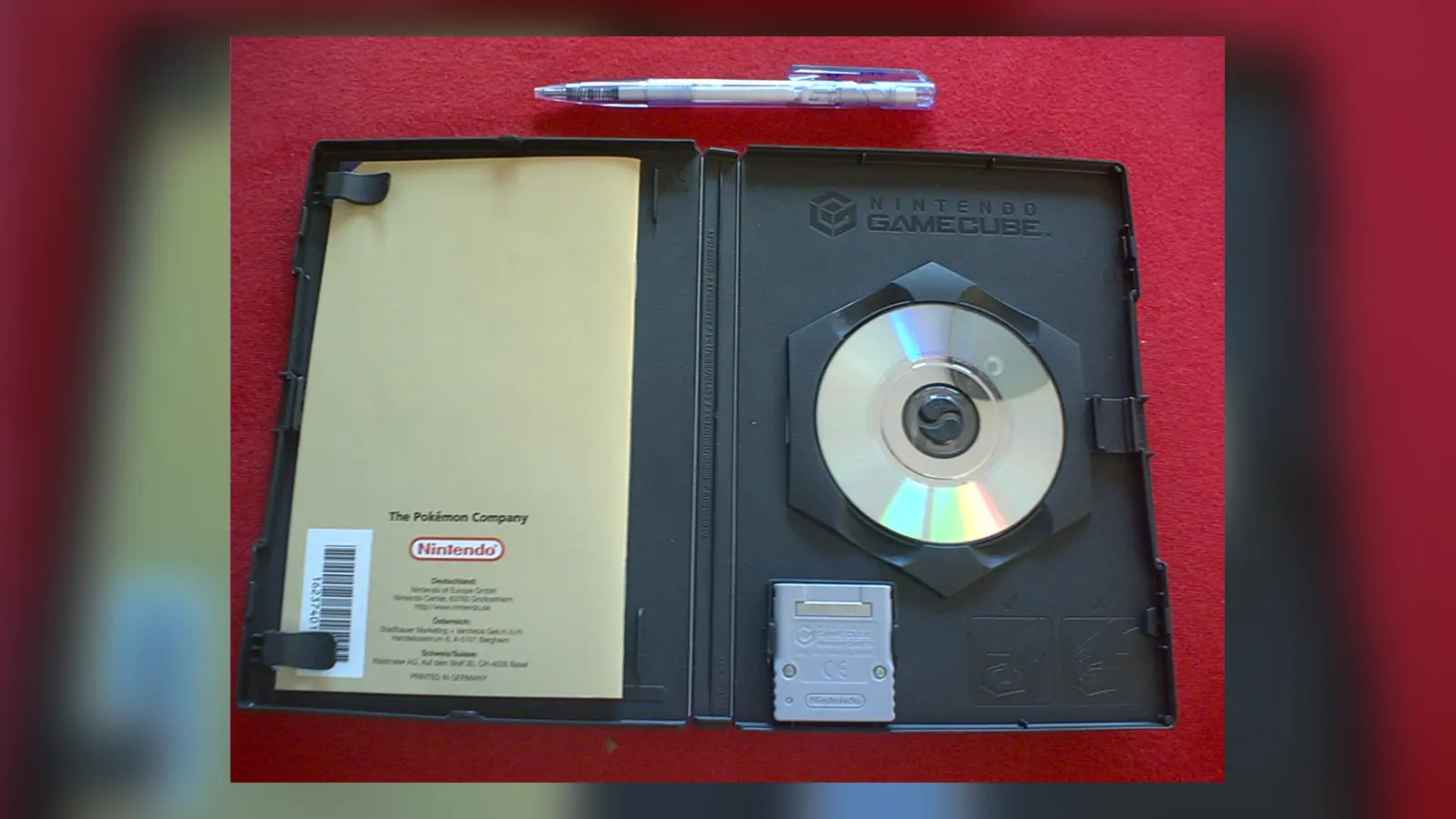
The standard GameCube did not play DVD movies. That was a substantial omission at a moment when a game console doubling as a movie player could help justify the household purchase. Nintendo was selling a machine focused on games while some buyers wanted an entertainment device with a second job.
Small did not mean weak
Its color, size and market position sometimes encouraged the mistaken idea that GameCube lacked technical capability. Games such as Metroid Prime, Star Wars Rogue Squadron II and the Resident Evil remake make that impression hard to sustain.
The challenge was the whole package: disc capacity, a limited emphasis on online play, uneven third-party support and the absence of movie playback on the standard model. Impressive graphics did not answer every question a buyer might bring into a shop.
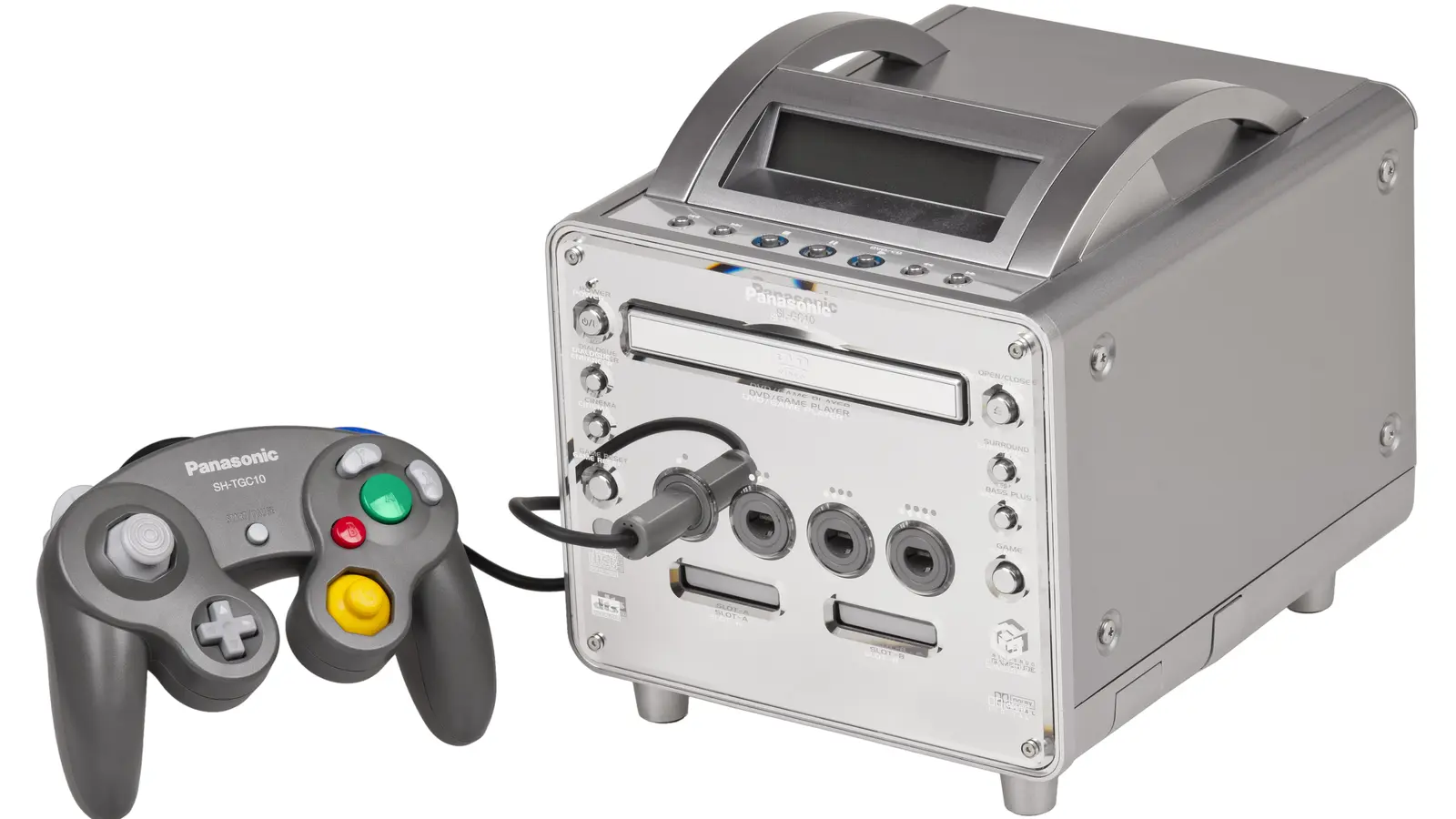
Panasonic Q offered an unusual alternative in Japan. Its silver case combined GameCube games with DVD playback, making it look like a glimpse of another direction the hardware might have taken. It remained a particular model for a particular market, rather than turning DVD support into the global GameCube standard.
The handle made sense when the couch was multiplayer headquarters
Remember the preparation. Pack the console. Check the game case. Coil two or four controller cables. Arrive at a friend’s house and work out where to connect everything behind a heavy television. Then argue about which game to start.
Melee, Double Dash!! and Mario Party could turn an ordinary room into a competitive arena. The controls travelled with you, the memory card held your progress, and the people reacting to the game were within earshot.
A missing game could mean a weekend rental from Blockbuster. The physical choice mattered. You had a return deadline, a limited number of hours and perhaps a memory card that was nearly full. The console’s compactness suited that kind of social life.
Game Boy Advance made the second screen personal
Nintendo also experimented with linking a handheld to the television experience. A cable let a Game Boy Advance become a controller or a private display for compatible GameCube games. Different games used the connection for maps, information, inventories or other features.
The Legend of Zelda: Four Swords Adventures could give each player information on a separate screen. Final Fantasy Crystal Chronicles built its multiplayer setup around the handheld connection. The television was shared, but part of the experience could belong only to the person holding a particular GBA.
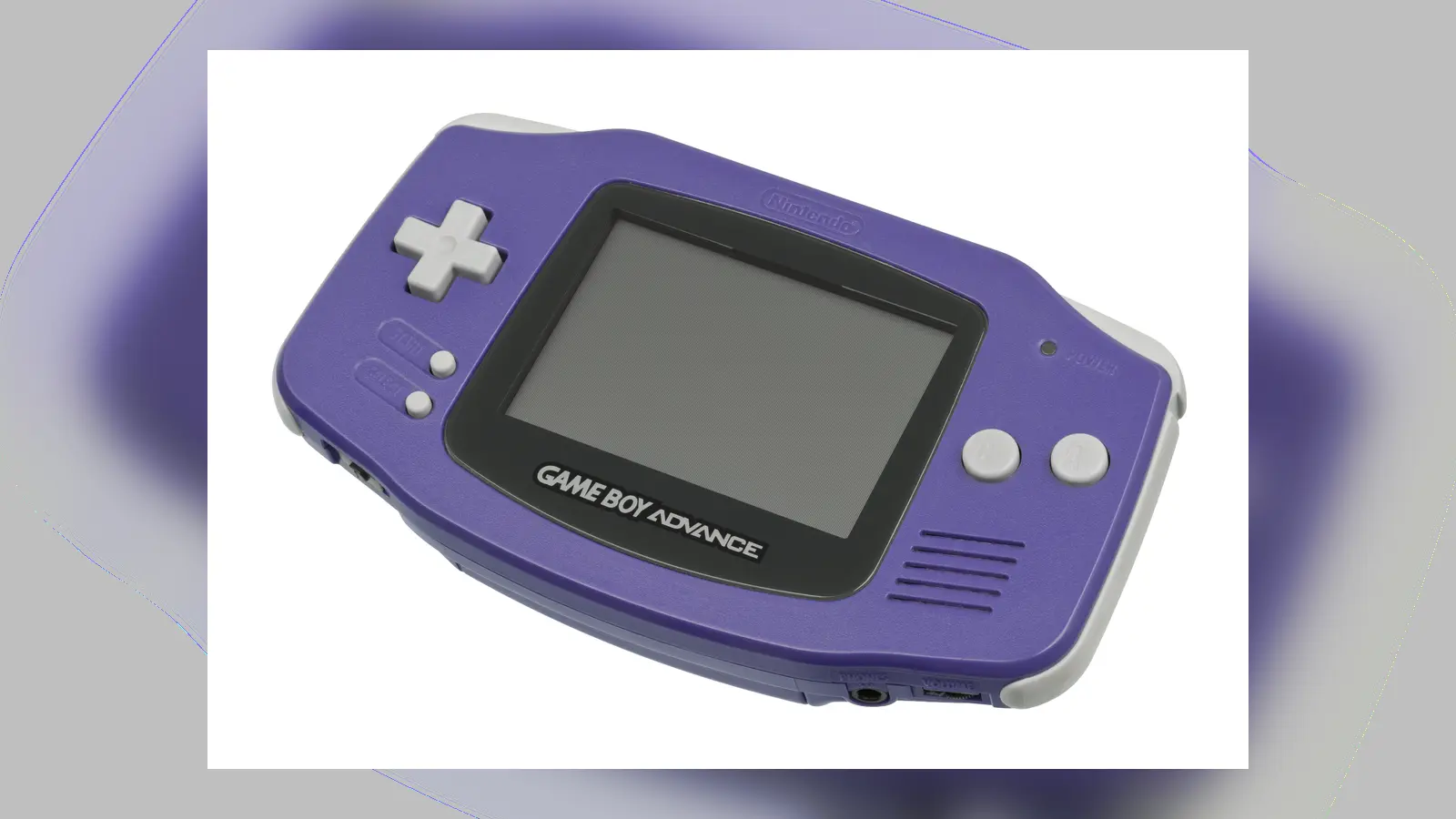
It was imaginative and demanding. Organizing a group could require several handhelds and cables. Nintendo had made connecting portable machines part of the appeal of Pokémon; now it was exploring what a private screen could add to a shared living room. When everything was ready, it felt exciting. Getting everything ready could feel like assembling a small laboratory.
The sales result was real. So was the affection.
Nintendo reports lifetime GameCube sales of 21.74 million consoles and 208.58 million games. Its hardware total fell below Nintendo 64’s and far behind PlayStation 2’s. Rewriting that result as a secret commercial victory would miss the more interesting point.
A smaller audience is still an audience. Those machines occupied millions of homes, and their software became part of millions of routines. A sales table measures reach. It does not fully describe the intensity of a favorite game or the character of a particular object.
The same focus that limited GameCube’s household pitch now contributes to its appeal. The controller made unusual choices. The exclusives took memorable risks. Even the handle suggested that a game night might happen somewhere else.
At 25, GameCube has not changed the outcome of the console war. It has demonstrated how little that outcome settles. The small cube still has a personality, and a new route into its games gives another generation a chance to discover it.

Shared memories