A closed door is a small problem until a game teaches you to fear opening it. In Resident Evil, the decision could involve the last few rounds in a handgun, a half-finished map and the uneasy suspicion that the room you needed was not the room you were ready to enter.
Thirty years after the original PlayStation game, the series remains commercially formidable. Capcom announced in March 2026 that Resident Evil Requiem had passed six million sales after its February 27 launch, reaching that milestone faster than any previous entry. Its published sales table subsequently listed eight million.
The technology has changed almost beyond recognition. The central feeling remains familiar: progress requires you to act before you feel fully prepared.
The mansion turned a map into a memory test
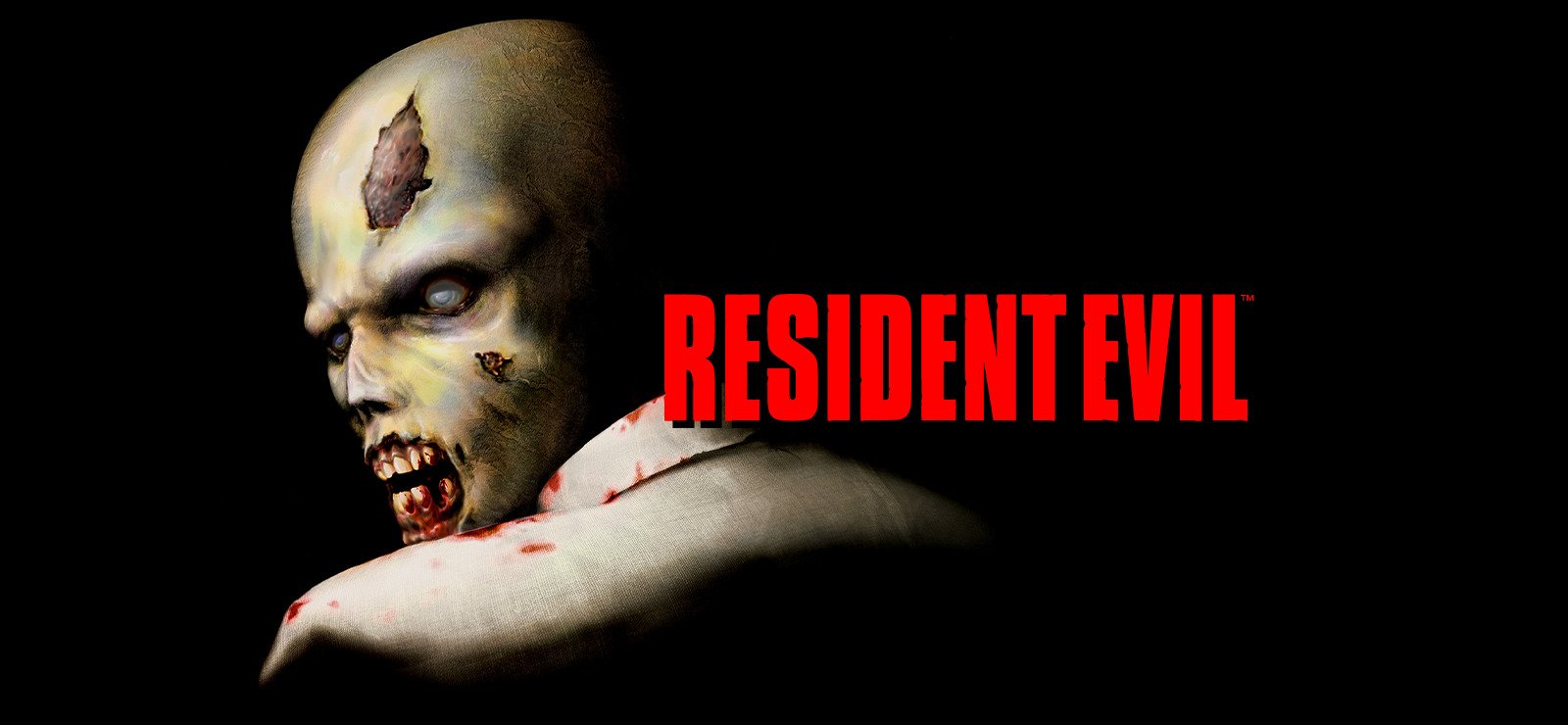
The first Resident Evil arrived in 1996, placing Chris Redfield and Jill Valentine inside a mansion whose apparent order concealed a much stranger purpose. It was a setting you had to learn, not simply pass through.
A locked door remained important after you walked away from it. A newly acquired object could give meaning to a room you had visited an hour earlier. Corridors became routes that you remembered in relation to danger, supplies and the nearest place to store something.
The house gradually became a plan inside your head. You knew which journey was short but risky, which detour might save ammunition and which unanswered puzzle would require another trip.
In a year when Tomb Raider made enormous three-dimensional spaces exciting to explore, Resident Evil demonstrated how much tension could fit inside a comparatively enclosed environment.

The door gave your imagination time to work
The classic transition isolates a door against darkness. It opens slowly, accompanied by a sound that is ordinary enough to recognize and deliberate enough to become uncomfortable. For a moment, the game withholds the room you have just chosen to enter.
The transition also belongs to the technical circumstances of its period, but its emotional effect reaches beyond a loading pause. It breaks the journey into decisions. The player chooses to continue, then has to wait for the consequence.
Repetition makes the ritual familiar without making it entirely reassuring. You may know the corridor on the other side. You may also know that the game can make a familiar place unsafe again.
The monster does not have to be visible throughout that interval. Your memory of what might happen is enough to make the delay uncomfortable.
The camera controlled what you were allowed to know
Pre-rendered backgrounds gave the original game detailed rooms viewed from predetermined positions. Crossing a particular point could change the angle abruptly, revealing one part of a space while concealing another.
That arrangement made every composition a decision about information. A corner could remain outside the frame. A sound could announce an enemy that the player could not yet see. A familiar corridor could briefly look unfamiliar because the camera had changed its relationship to the character.
The character-relative controls, often called tank controls, required practice. They also maintained the meaning of moving forward relative to the character when the viewpoint changed. Their awkwardness and their usefulness belong to the same design problem.
Players who disliked the system had understandable reasons. The point is not that inconvenience automatically improves a game. It is that these restrictions helped determine the kind of fear the designers could create.
Survival was an accounting problem, too
A zombie could be more than a target. It could be an expense you did not need to pay yet. If there was enough room to avoid it, a few saved rounds might become valuable later. If it blocked a corridor you would use repeatedly, leaving it standing created another problem.
Inventory space turned ordinary objects into decisions. A key, a healing item and extra ammunition could each be useful, but carrying everything was not always possible. Returning to an item box took time and sometimes exposed you to another encounter.
Ink ribbons made saving a resource decision in the classic games. Reaching a typewriter offered relief, followed by another calculation: had you made enough progress to justify using one?
The pressure was easy to share with somebody watching beside you. One friend remembered a locked door; another insisted that you were wasting bullets. A rented game added a deadline from outside the fiction, part of the same weekend routine that made the video store such an important place.
The genre had a history before the mansion
Resident Evil did not invent every idea it brought together. Capcom’s Sweet Home had already explored a hostile mansion, limited resources and survival in 1989. Alone in the Dark used three-dimensional characters, fixed viewpoints and pre-rendered environments in 1992.
The achievement of Resident Evil was its particular combination and reach. Its setting, presentation, inventory and pacing made survival horror a recognizable identity for an enormous audience.
Acknowledging the earlier games makes the history more interesting. It shows how a genre develops through borrowing, rearrangement and the discovery of a form that connects with a wider public.
Resident Evil 4 changed the distance to danger
In 2005, Resident Evil 4 moved the viewpoint behind Leon’s shoulder and made aiming a more direct part of the encounter. The player could read and respond to threats differently, while groups of enemies created pressure from several directions.
The shift increased the importance of combat without eliminating decisions about resources. The inventory became a case to arrange. Positioning, ammunition and the next encounter still competed for attention.
What changed was the relationship between information and control. The player could see and aim more directly, so tension had to come from how the situation developed rather than from exactly the same kinds of visual restriction.
A different house offered a way back
Later installments increased the scale of the action and experimented with cooperative play. Those changes attracted players while also changing the balance between capability and vulnerability.
Resident Evil 7 made another substantial turn in 2017. Its first-person viewpoint and hostile domestic setting brought the player close to an environment that could feel intimate and threatening at once.
The remakes offered another route through the series’ history. The reimagined Resident Evil 2 could preserve the importance of the police station, limited supplies and interconnected routes while changing the controls and presentation.
These versions do not recreate every sensation of the originals. They ask which relationships matter enough to survive a change of technology: a place you learn, resources you weigh and danger that makes revisiting a room meaningful.
The next door still asks for a decision
Requiem‘s anniversary-year success shows that the audience still responds to the name. The longer history shows why the series has been able to take so many different forms.
Fixed cameras, an over-the-shoulder view and first-person exploration give designers different tools. Each can create a situation in which the player knows enough to want to continue but not enough to feel entirely safe.
That is the part of the old door animation that remains useful even when hardware no longer needs the same pause. The game gives you a reason to advance, a reason to hesitate and responsibility for what happens next.
Thirty years later, the most recognizable Resident Evil moment is still a small one: standing somewhere briefly safe, checking what you have left and deciding to open the door anyway.