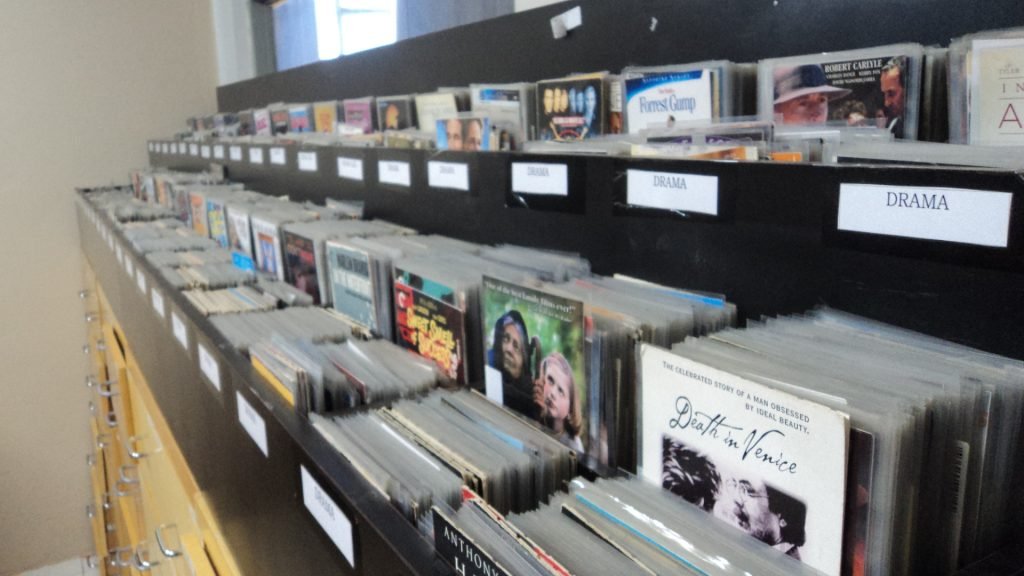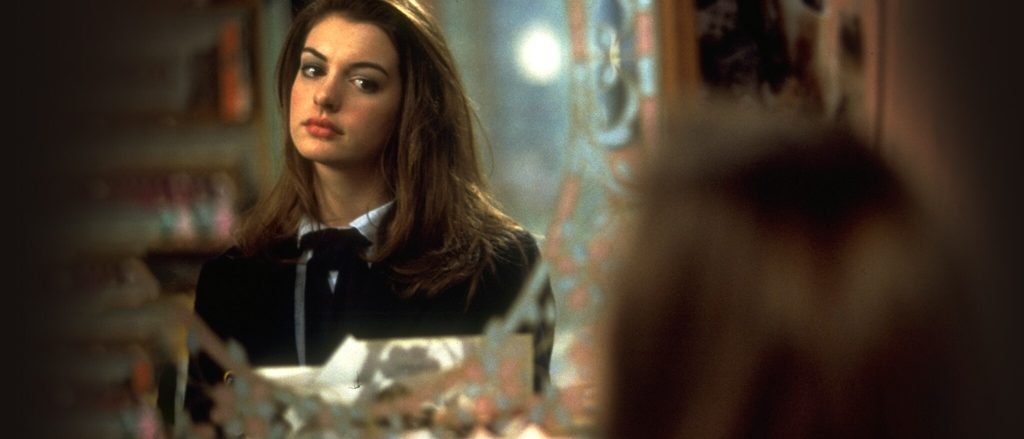

The movie had not started and the negotiations were already going badly. One person wanted a comedy, another had found something with a monster on the box, and the film everyone agreed on was out. Friday night at the video store had its own opening act.
Late fees were irritating. A chewed-up tape could ruin the evening. But choosing a rental gave the room something to do together before anybody pressed play. The browsing, the bargaining and the return trip became part of the film’s memory.
Home video gave that routine its equipment. Sony documents Betamax’s arrival in 1975, while JVC’s history dates its introduction of VHS to 1976. Rental experiences varied by country, store, and decade, but these seven rituals will feel familiar to many former regulars.
1. Reading the back of the box like a promise
The cover got your attention. The back tried to close the deal. A few photographs, a breathless plot summary, and a familiar actor’s name had to suggest an entire evening. Sometimes the best-looking box concealed an ordinary film. Sometimes an awkward cover hid a favorite.
It was marketing, not neutral information, but it was also a compact way to discover something unfamiliar. You turned the object over, compared it with another, and decided whether its promise sounded worth your time. The decision had a beginning and an end.

Part of the pleasure was making a guess without being able to settle every doubt first. A trailer, reviews, and audience ratings can be useful. They can also turn choosing into a separate research project. The box encouraged a different question: does this sound like the sort of movie we want tonight?
2. Finding the box, then looking for an available copy
A title on display did not guarantee a tape you could take home. Depending on the store, you checked behind the empty case, looked for a rental marker, or asked at the counter. A recent return could suddenly change the options.
Scarcity was frustrating, especially when you had made a special trip. It also pushed the search sideways. The second choice might come from the same shelf, a familiar director, or a cover you had ignored on previous visits. Accidental discoveries were built into a system that could not give everyone the same new release at once.
That is a memory worth separating from a recommendation. Nobody needs fewer choices today. What remains useful is occasionally giving the unfamiliar second option a chance, instead of treating the absence of your first choice as the end of movie night.
3. Surviving the family selection committee
A rental often had to satisfy more than one person. One wanted comedy; another wanted action. Someone had already seen the obvious choice. Running time, age suitability, subtitles, and dubbed versions could all enter the conversation.
The compromise became a small commitment. You had gone out, paid, and brought this particular film home. That did not make every choice good, but it could make everyone more willing to give it a chance before reaching for an alternative.
The useful part was the conversation about what kind of evening people wanted. You can keep that even with streaming: agree on a mood, narrow the shortlist, and make one shared decision. A room full of people browsing independently is not always moving closer to a movie.
4. Asking the person behind the counter
A good recommendation could begin with an ordinary exchange: what did you rent last time, and did you like it? A clerk who recognized your preferences might suggest something beyond the newest display. The advice came from a person you could talk back to.
Not every store had an enthusiastic film expert, and not every suggestion worked. The advantage was the possibility of a continuing conversation. On your next visit, you could explain what landed, what dragged, and what you hoped to find instead.

That feedback made taste feel specific. Two people could enjoy the same film for very different reasons, and a conversation could uncover the difference. An unlikely recommendation sometimes worked because somebody had listened to your explanation, not just noted the title.
5. Getting the television and player ready
At home, the tape still needed its route to the screen. Turn on the television, choose the right input or channel, find the relevant remote, and check that the player was ready. Different households had different equipment, but the setup gave movie night a recognizable starting sequence.
VHS and DVD did not behave identically. Tapes had to travel through a mechanism and could need rewinding. DVDs brought menus and chapter selection instead. It is easy for memory to blend the eras; our history of VHS looks more closely at the tape side of the story.
The machines could be inconvenient. What made the routine memorable was its physical clarity. When the picture appeared and everyone settled down, preparation was over. The room had shifted from deciding what to do into doing it.
6. Rewinding and looking after a borrowed object
A rented cassette carried evidence that other people had watched it. Labels wore down. Cases picked up marks. A tape might arrive at the end instead of the beginning. Rewinding was both a practical reset and a courtesy to the next viewer.

There was also a responsibility attached to holding somebody else’s copy. Do not leave it somewhere hot, keep it away from careless handling, and return the right tape in the right case. For actual preservation advice, the Library of Congress guidance on audiovisual materials is a better starting point than folk remedies: storage conditions and careful handling matter.
The appeal was not that tapes could wear out. It was the sense of participating in a chain of viewers. The film was yours for an evening, while the object belonged to a longer sequence of people choosing it, carrying it home, and bringing it back.
7. Returning with an opinion
The trip back could finish the conversation that started at the counter. Was it as funny as promised? Did the ending work? Would you recommend it? Even a disappointing rental became something to discuss while looking for the next one.

Returning an object also gave the experience a clear endpoint. The evening became a memory, and another choice took its place. Today’s interest in DVDs and physical media connects with some of that desire to give entertainment a tangible place in life, though collecting and renting are different habits.
There is no need to revive a late fee to revive the conversation. Ask the people you watched with what they thought before everyone disappears into another screen. That small exchange can make a film stay with you longer.
Bring back the choosing
The rise and fall of Blockbuster tells a business story. The rituals around a local video store tell a more personal one: who chose, who compromised, who recommended something unexpected, and who kept talking after the credits.
Streaming makes many practical things easier. You can still borrow the best habits from the rental era: choose together, give the choice your attention, and leave a little time to talk afterward. The shelf was memorable, but the people around it were what gave the evening its shape.
Cover photograph: Viper Video in Tampa, Florida, photographed October 30, 2023—not an archival photograph of a 1990s store. Photo: Matthew Hoobin, CC BY-SA 4.0. Editorial crop to 16:9. Original image and license.