
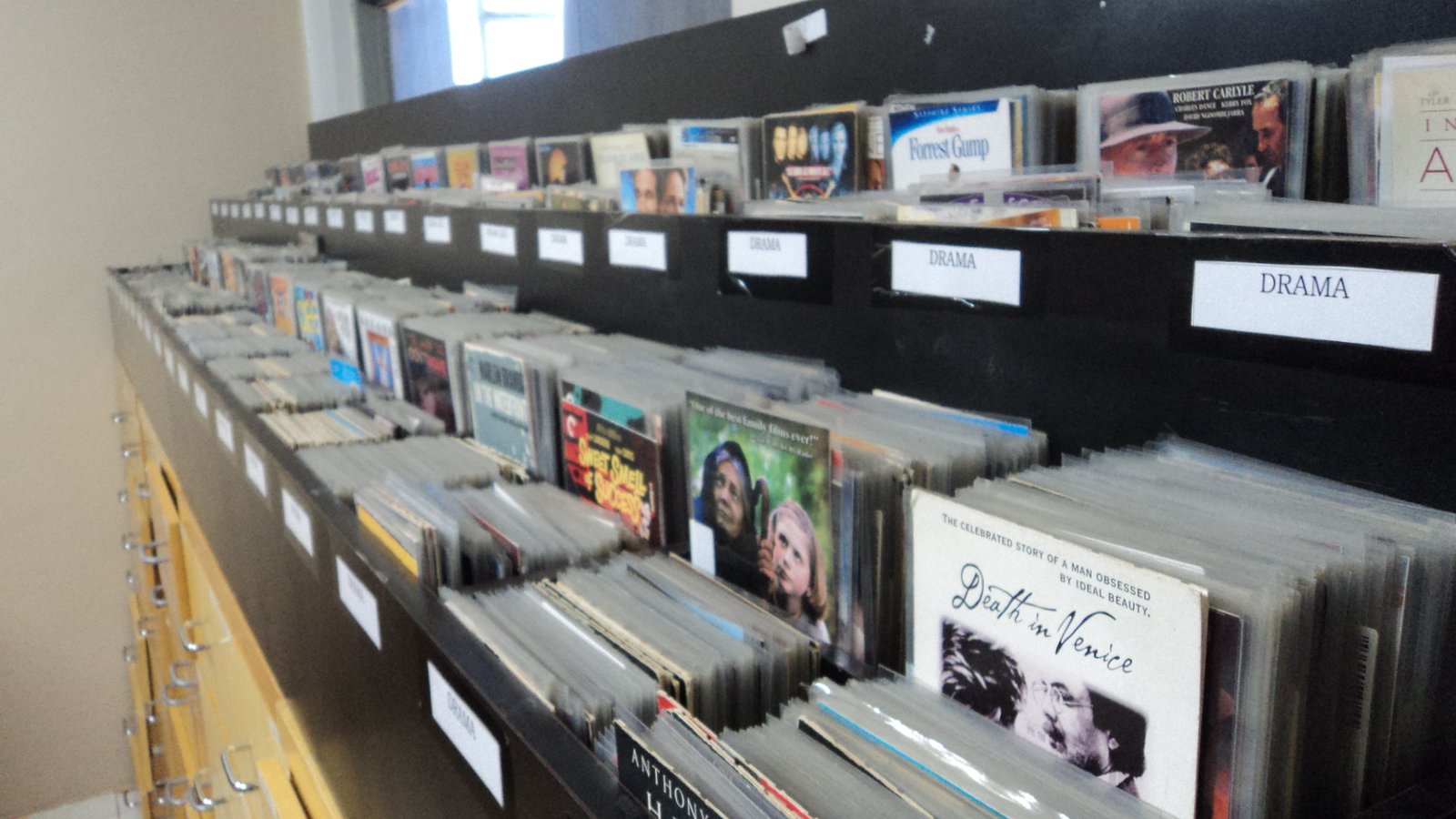
A DVD menu could turn the room into an extension of the film. Music repeated while everyone found a seat. An animated background hinted at the story. Somewhere beneath “Play” sat a commentary track, deleted scenes or an oddly elaborate game that nobody had expected to find.
Streaming made starting a film much easier. It also made that particular kind of movie night less common. The renewed interest in discs is partly about recovering the experience around the film: choosing an edition, putting it on a shelf and having a reason to watch the extras.
There is a real collecting culture here. Calling it a DVD comeback, however, needs a little care. Enthusiasm for physical movies does not mean every disc format is growing—or that streaming is being abandoned.
The comeback is more complicated than the headline
The Digital Entertainment Group’s 2025 U.S. home-entertainment report put spending on physical movie products at about $870 million, down 9.3% from 2024. Within that shrinking total, spending on the smaller 4K UHD category rose 12%.
The preliminary first-half 2026 report continued that mixed picture: U.S. physical-product spending was $361 million, down 6.9% against the comparable 2025 period. Premium formats were stronger, with 4K UHD spending up 18.6% in the second quarter.
Those are spending figures, not numbers of discs sold. They cover multiple physical formats, so growth in premium 4K releases cannot be presented as a nationwide boom in ordinary DVDs.
The more interesting story is what survives inside a smaller market. A format can lose its position as the default way to watch a movie while retaining an audience that values things a subscription does not always provide.
A menu made the film feel like a place
VHS usually asked you to move along a tape. DVD offered a small navigable world: chapters, languages, bonus features and the main attraction waiting behind a button.
Some menus were beautifully atmospheric. Others gave you a few seconds of music on a loop until it became part of the furniture. Both could become attached to the memory of a film, especially when a favorite disc was watched repeatedly.
The ability to jump directly to a scene also changed casual viewing. A favorite sequence no longer required judging a rewind by instinct. The technology reduced a nuisance without removing the object from the ritual.
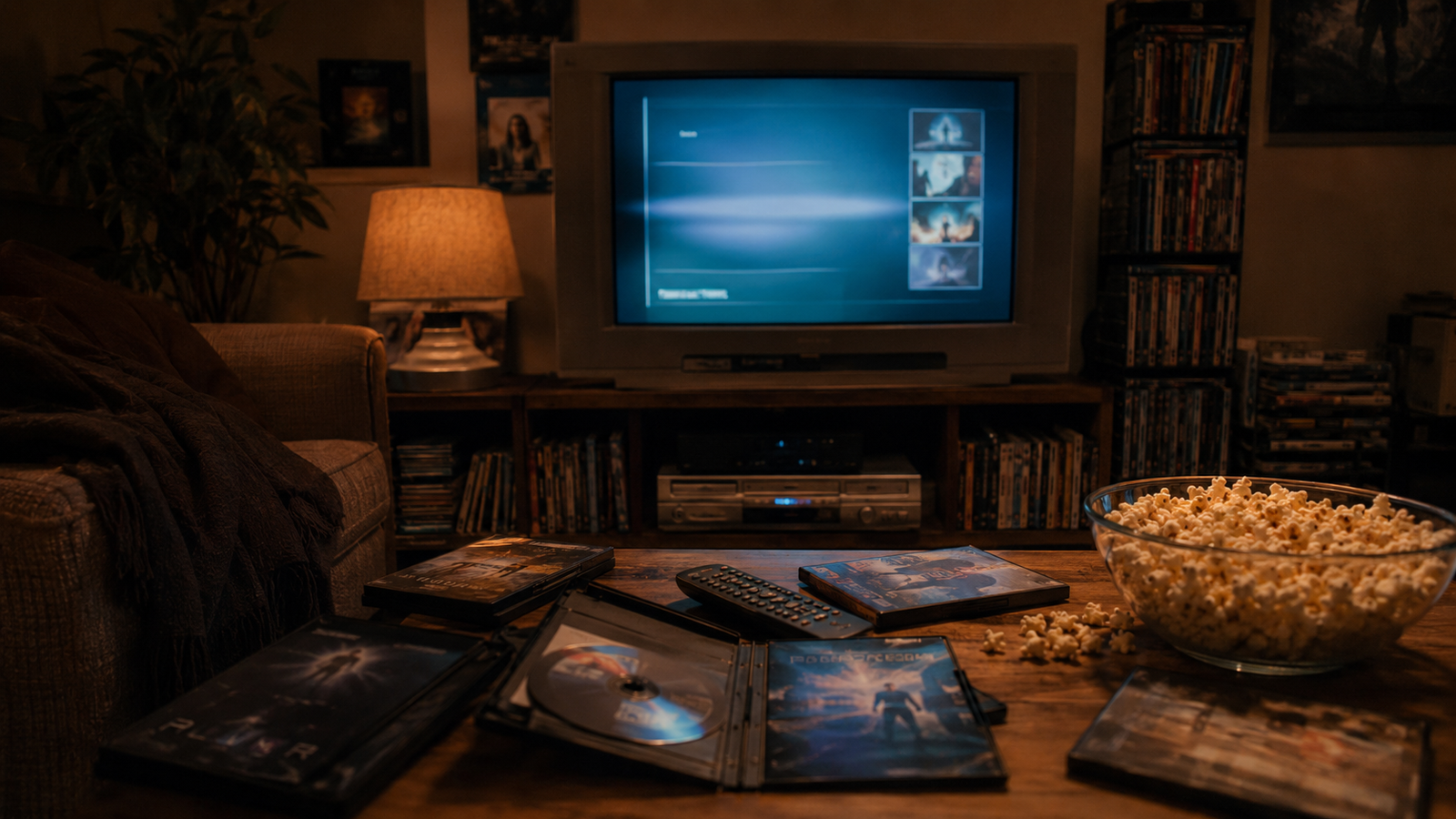
The extras made an edition worth keeping
A good bonus disc could change the next viewing. A production documentary might reveal how a miniature became a city. A commentary could explain why a scene was cut or how an apparently simple shot took days to arrange.
That material encouraged a different relationship with filmmaking. The finished movie stopped being an untouchable object and became the result of decisions, compromises and occasionally ingenious solutions to ordinary problems.
It also made editions matter. Two releases with the same film on the cover could contain different cuts, transfers, subtitles or supplements. Buying the title was not always the same thing as buying the version you wanted.
That remains useful advice: check the actual contents. A handsome case or a “special edition” label does not guarantee that a favorite commentary or documentary is included.
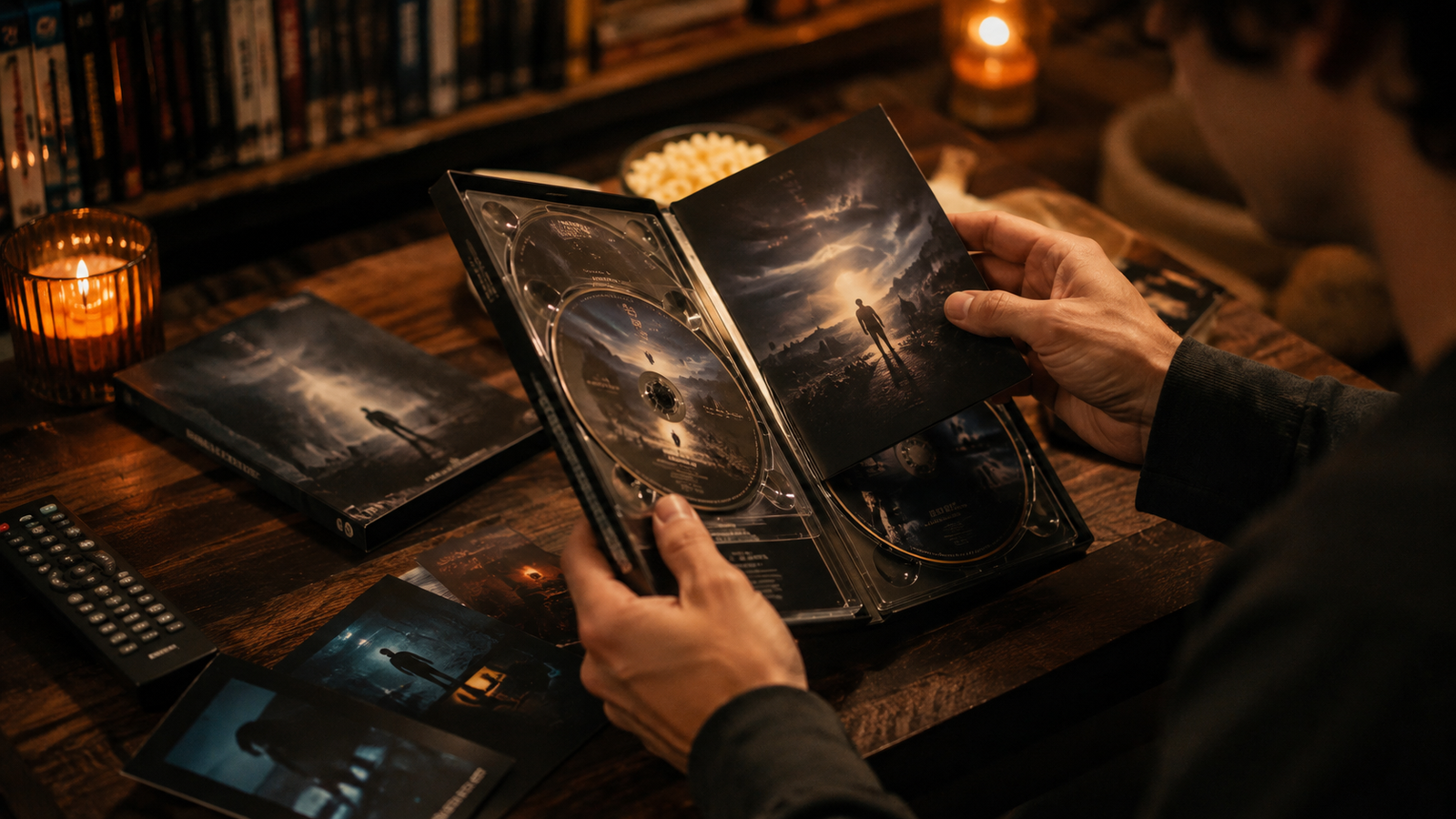
The video store was a discovery system, too
A shelf can send you somewhere a search box would not. You arrive looking for one film, notice an unfamiliar cover and ask the person behind the counter whether it is any good.
That experience still exists. Los Angeles nonprofit Vidiots describes a publicly accessible rental library of 70,000 titles across Blu-ray, DVD and VHS. Its collection brings different periods, genres and degrees of obscurity into the same physical space.
One surviving library is not evidence that the old rental-chain economy has returned. It demonstrates a more specific value: people can build a place around discovery, conversation and access to films that deserve to remain available.
The connection to the Blockbuster era is familiar, but the scale and purpose can be different. A community collection does not need to recreate a national chain to be useful.
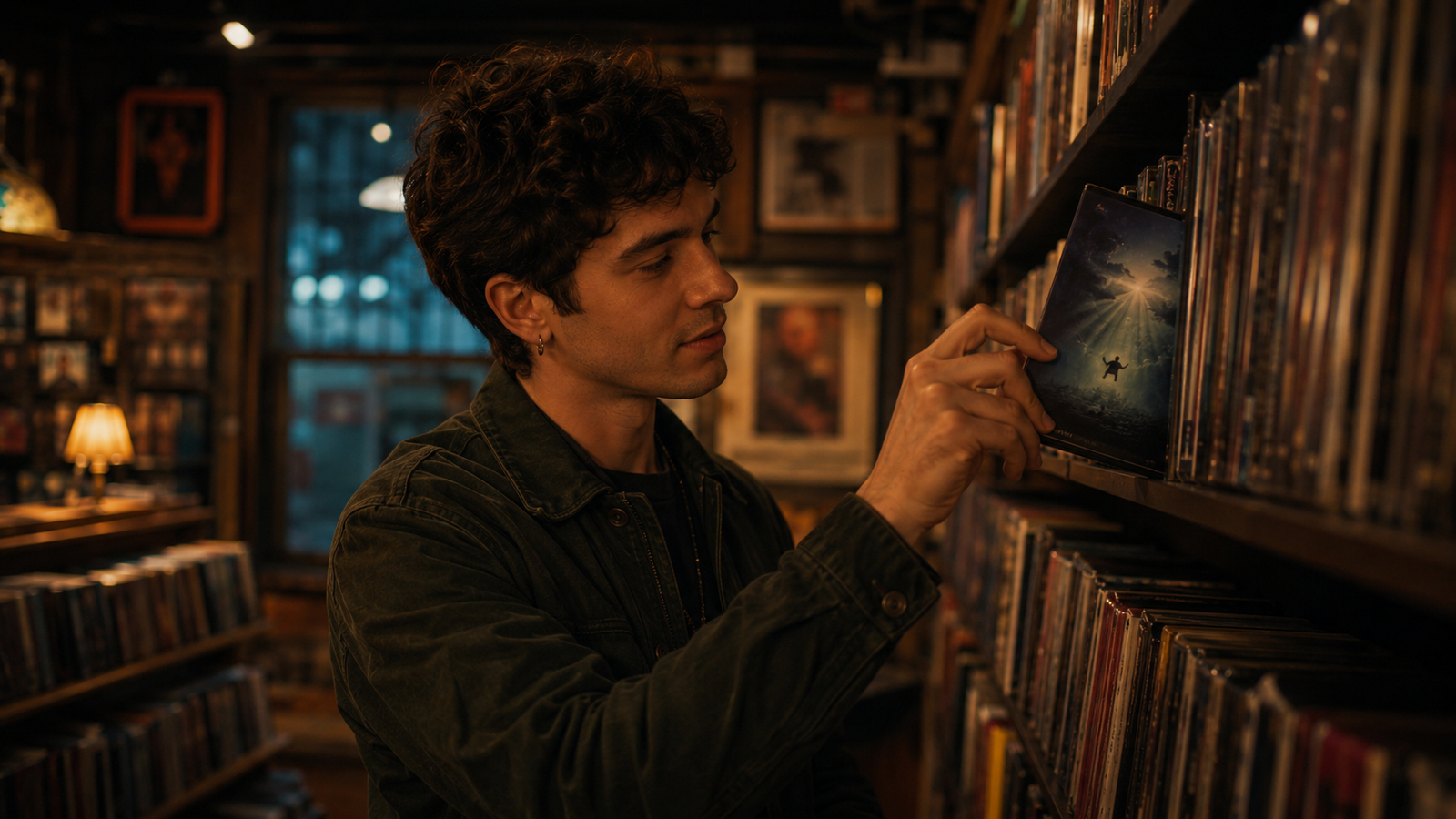
Ownership changes one important part of the bargain
A playable disc on your shelf does not depend on a title remaining in a streaming subscription’s catalog. That makes it especially attractive for a film you return to often, a particular cut or a release with supplements you care about.
It is not a promise of permanence. Discs can be damaged, equipment can fail and some editions are harder to replace than others. A collection also takes space and needs to be cared for.
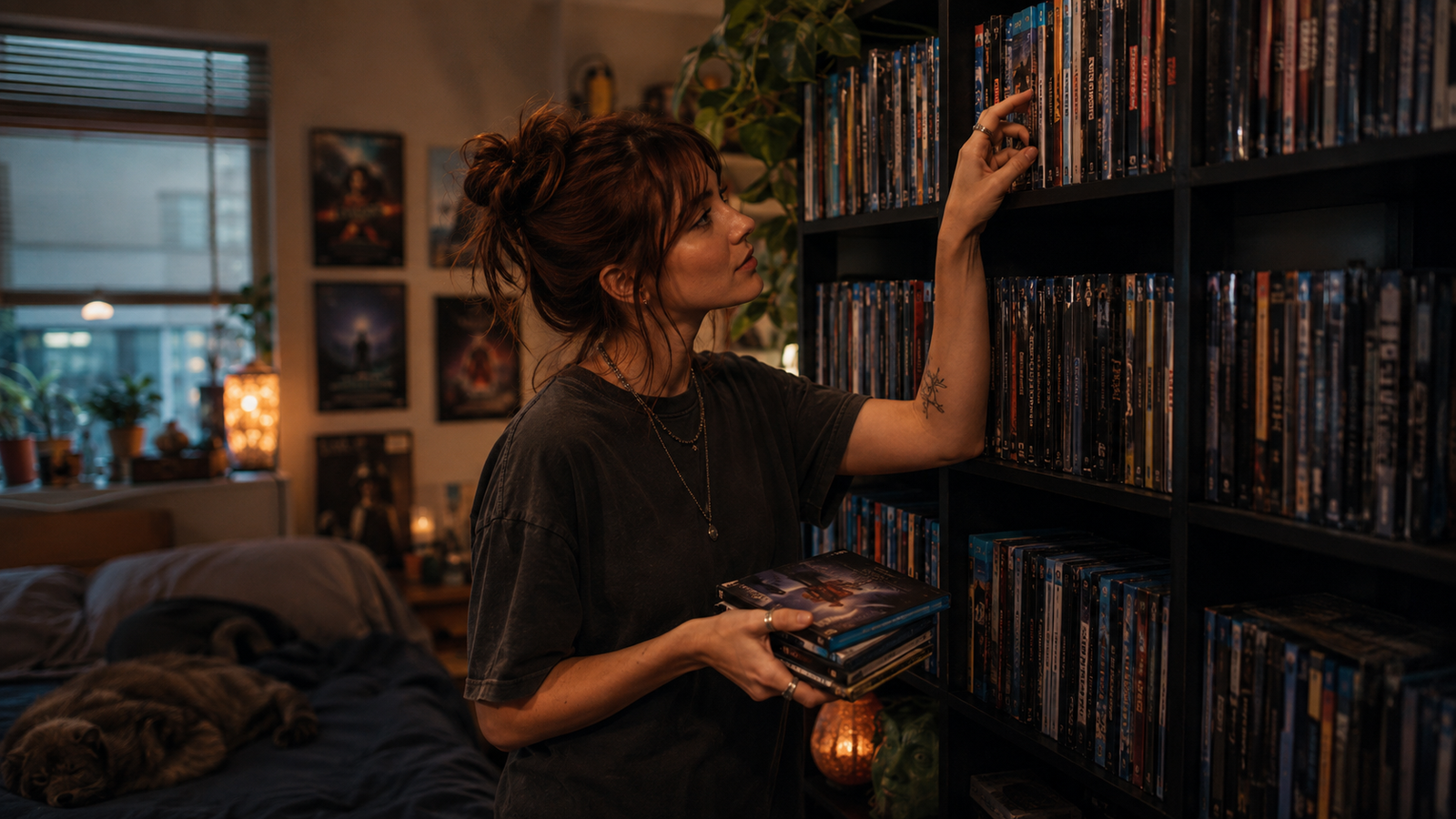
Still, the arrangement is legible. You can see what you have. You can organize it, lend a copy to a friend and put it back where it belongs. Like a shelf of CDs, it becomes a record of choices rather than an interface that rearranges itself.
DVD, Blu-ray and 4K are different purchases
“DVD” is often used casually for any movie disc, but the distinction matters when choosing equipment or an edition.
Criterion’s technical guide explains that a standard DVD remains standard definition even when its source was restored in 4K. Blu-ray provides HD, while a 4K UHD disc requires a compatible UHD player. A standard DVD player cannot play a Blu-ray.
Check region compatibility as well, particularly when importing. The cover, retailer listing and your player’s documentation should agree about the format and region. A familiar title does not make every international edition interchangeable.
The right format depends on the purpose. An inexpensive DVD may be enough to revisit a childhood favorite. A film whose photography you love may justify researching a better transfer. Neither choice needs to become a competition over who owns the most expensive shelf.
A smaller collection can make movie night easier
There is a useful middle ground between owning nothing and trying to rebuild an entire video store. Keep films you actually revisit. Choose a few unfamiliar titles deliberately. Let the shelf suggest tonight’s double bill.
Netflix’s own farewell to its DVD service marked the last shipments on September 29, 2023, twenty-five years after its first disc delivery in 1998. That chapter ended; the broader habit of watching movies on discs did not disappear with it.
Streaming can remain the convenient option for a spontaneous recommendation. A disc can be the choice for a more deliberate evening: pick the film, put the phones aside and let the menu music run while the snacks arrive.
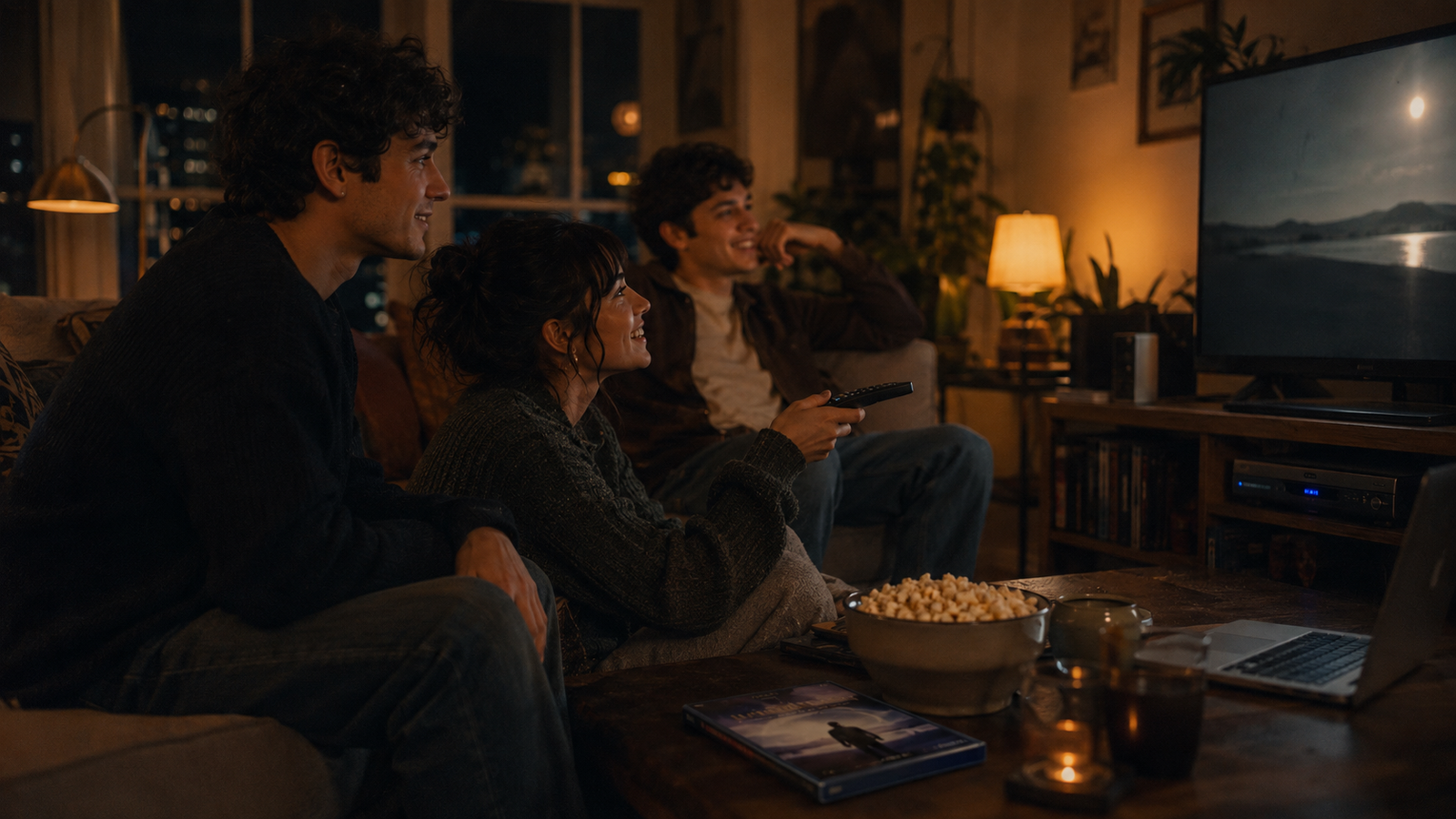
That is the appeal worth keeping. A physical edition gives a favorite film a place in the room, and sometimes that small commitment is enough to make watching it feel like an occasion again.

Shared memories