

In 2001, digital life still came in separate boxes. A console belonged beside the television. Music lived on discs and a computer hard drive. A handheld game could fill a journey without asking for a mobile signal. Looking back, the interesting part is how many later habits were taking shape before one phone gathered them together.
These seven launches are a selective timeline, not a claim that technology suddenly began that year. Several built on earlier ideas. Their importance lies in how they made those ideas usable, desirable or ordinary enough to become part of a daily routine.
January 9: iTunes organizes the collection
The first iTunes was a Mac music application, not an online song store. Apple’s launch announcement describes importing CDs, organizing digital tracks, building playlists and burning audio CDs within one program.
That distinction matters because it places the software in the world people actually inhabited. A collection might include shop-bought discs, files copied from those discs and carefully assembled mixes. Managing the transition between formats was part of listening.
The habit it helped establish was simple: music could be a searchable library rather than a physical stack. The later iTunes Store should not be folded backward into this January 2001 launch. For this first chapter, the computer was primarily organizing music you already had.
January: Wikipedia makes knowledge a shared project
Wikipedia began in January 2001, as the Wikimedia Foundation’s twentieth-anniversary history records. Its invitation was unusually open: an encyclopedia could be improved by people who were also its readers.
That did not make every page equally dependable. The useful change was the visibility of an ongoing process—references, revisions, disagreements and corrections—rather than the promise that a finished-looking page must be the last word.
For curious users, the experience encouraged a particular kind of wandering. One unfamiliar term led to another article, then a historical event, then a subject you had not intended to investigate. The open tab became a path through interests rather than merely a document you had located.

March: Game Boy Advance expands the pocket
Nintendo’s company history records the Game Boy Advance’s March 21 launch in Japan, followed by June 11 in the United States and June 22 in Europe. There was no single worldwide launch day.
The horizontal body, shoulder buttons and wider color display made familiar ideas feel newly spacious. Its games could offer detailed animation and elaborate worlds while the device retained the directness of a cartridge and a power switch.
The original screen also depended on external light. That inconvenience belongs in the memory alongside the affection: shifting toward a window or a lamp was part of playing. Later hardware improvements should not erase what using the first model was actually like.
March 24: Mac OS X changes the desktop
Mac OS X reached stores on March 24. The Aqua interface made the change immediately visible, while the system’s underlying architecture represented a much deeper transition for the Mac.
For an ordinary user, the first encounter could be a button, a window or the Dock. Visual design made the operating system feel like something one could have an opinion about before understanding what had changed underneath it.
It was also a transition, not an instant arrival at the mature experience people later remember. Applications, workflows and expectations had to catch up. The glossy surface is the nostalgic shorthand; the longer process of adaptation is the more useful history.
October 23: Apple announces the iPod
The iPod was announced on October 23, with availability beginning November 10. Apple’s original release specifies a 5GB hard drive, a mechanical scroll wheel and FireWire transfer. It was initially tied to the Mac ecosystem.
Those details separate the first device from later iPods with touch-sensitive controls or much larger capacities. The achievement was not inventing portable music. It was making a substantial digital collection feel approachable through a small screen and a clear physical control.
A library that had occupied shelves could now travel, but it still needed deliberate maintenance. You chose what to import, corrected names and synchronized the player. That sense of tending a collection helps explain the iPod’s continuing appeal.

October 25: Windows XP becomes a familiar room
Microsoft launched Windows XP on October 25. For many people, its blue interface and green Start button became the visual background to homework, chat windows, digital photographs and experiments with the family computer.
An operating system accumulates meaning because so many unrelated activities pass through it. The same desktop might host a school assignment in the afternoon, music in the evening and a game someone stayed up too late to finish.
Remembering that environment does not make an unsupported old installation a sensible everyday internet computer. The historical interest lies in the experience and design; screenshots, museums and isolated retro setups can preserve it without confusing nostalgia with current security support.

November 15: Xbox enters the living room
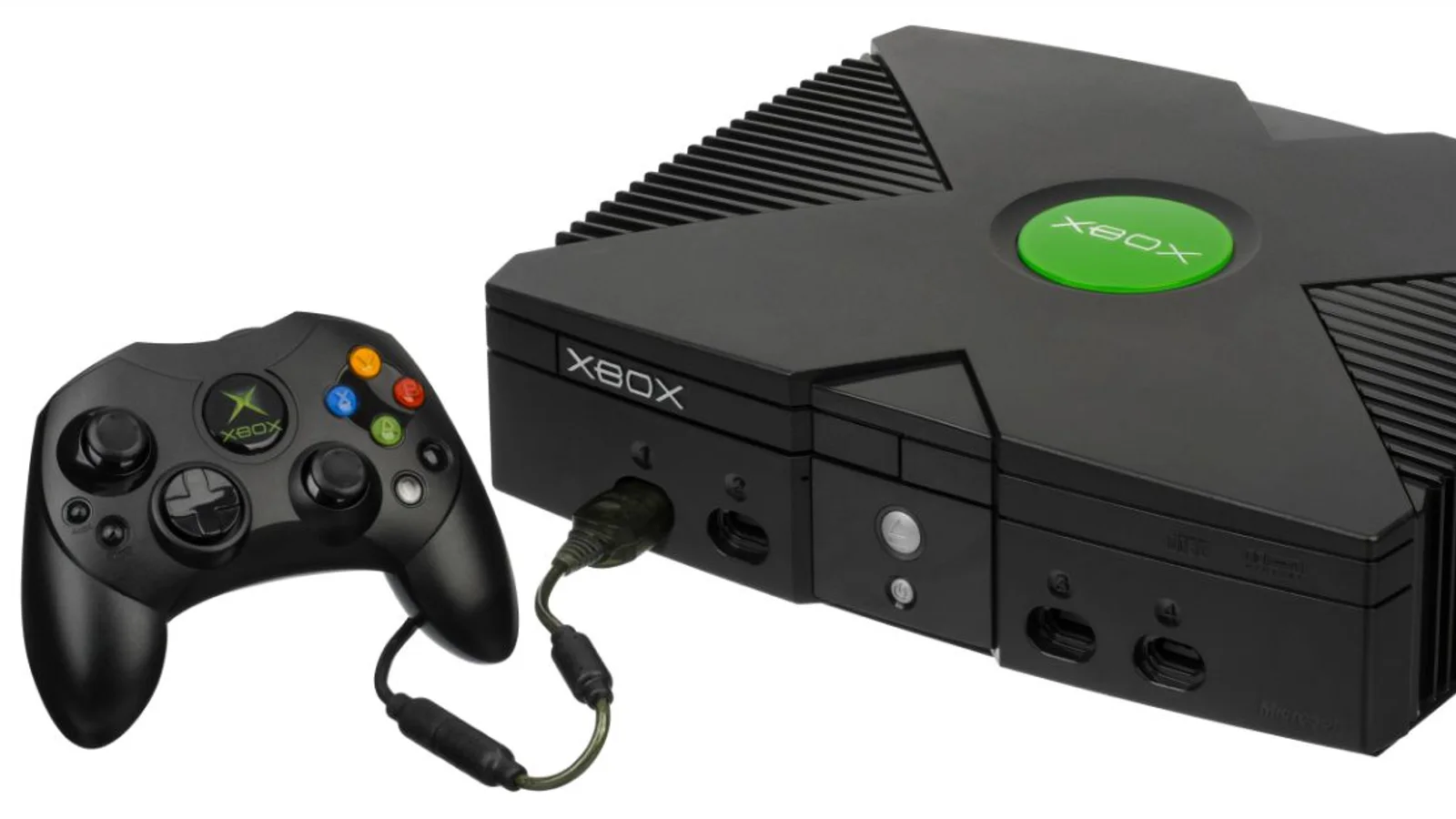
The original Xbox launched in North America on November 15, 2001, a date confirmed by Xbox’s anniversary history. Its size and black-and-green design made an unmistakable statement beside the television.
The console brought built-in storage and a network connection into its identity, while games such as Halo: Combat Evolved gave the hardware a social life. Multiplayer could mean sharing a screen or arranging a local network before online console play became routine.
It is worth keeping those stages separate: Xbox Live was a later service, not something that launched alongside the console in November 2001. Our Xbox retrospective follows that wider story.
Together, these launches show a world becoming more digital without yet becoming one continuous feed. Each object or application had a distinct job. That separation created extra work, but it also gave the routines their character: choosing a cartridge, tending a playlist, opening a desktop and deciding what to do next.

Shared memories