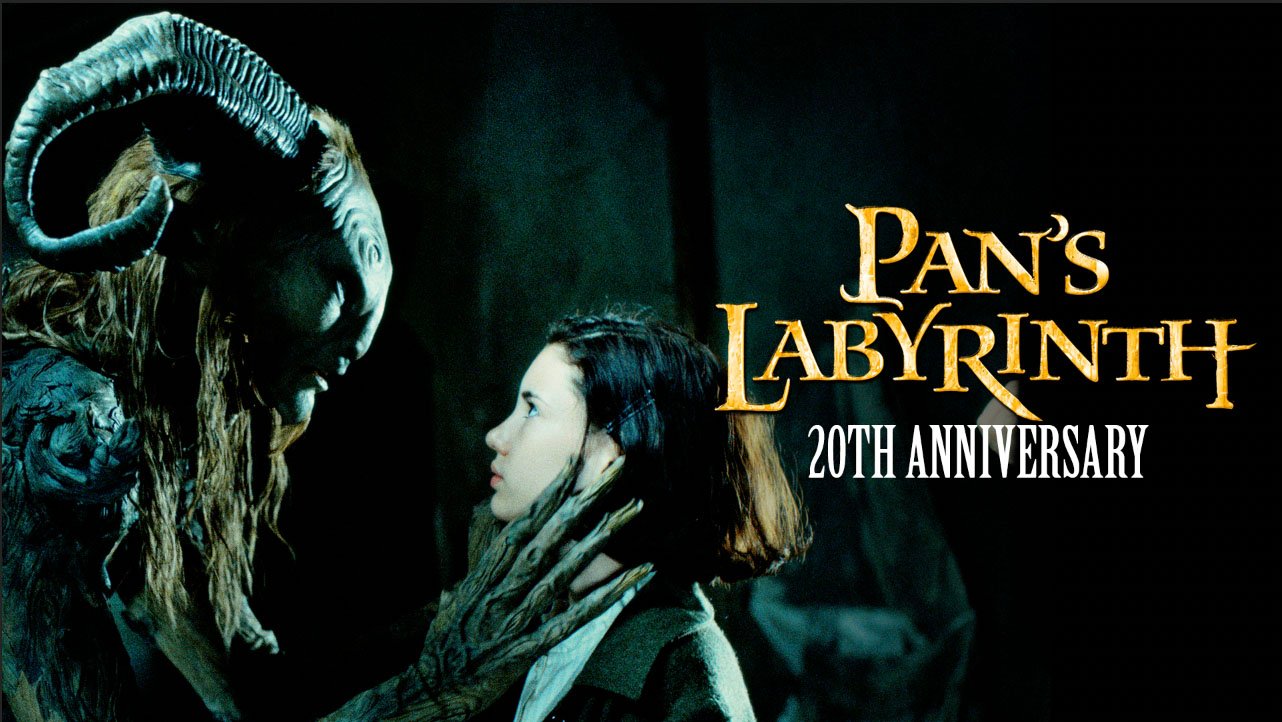
A child follows an insect toward a hidden world. In another kind of film, that would be the beginning of a safe retreat from the cruelty of adults. In Pan’s Labyrinth, it leads to another set of demands, dangers and choices.
Guillermo del Toro’s 2006 film reaches its twentieth anniversary in 2026. Its creatures remain striking, but the reason it still unsettles is not simply their design. The fantasy does not erase the violence surrounding Ofelia. It gives that violence a second language.
This retrospective discusses the ending. The film contains graphic violence and is not a children’s adventure.
Two worlds organized around obedience
Ofelia arrives with her mother in rural Spain in 1944, under the authority of Captain Vidal. The mill is a place of orders, surveillance and carefully enforced hierarchy. The captain treats other people as obstacles or instruments in the story he wants to tell about himself.
The fantastic world initially appears to offer an alternative. A book, a labyrinth and a mysterious guide suggest that Ofelia may have an identity beyond the one the adults have assigned to her. Yet this world also gives instructions and threatens consequences.
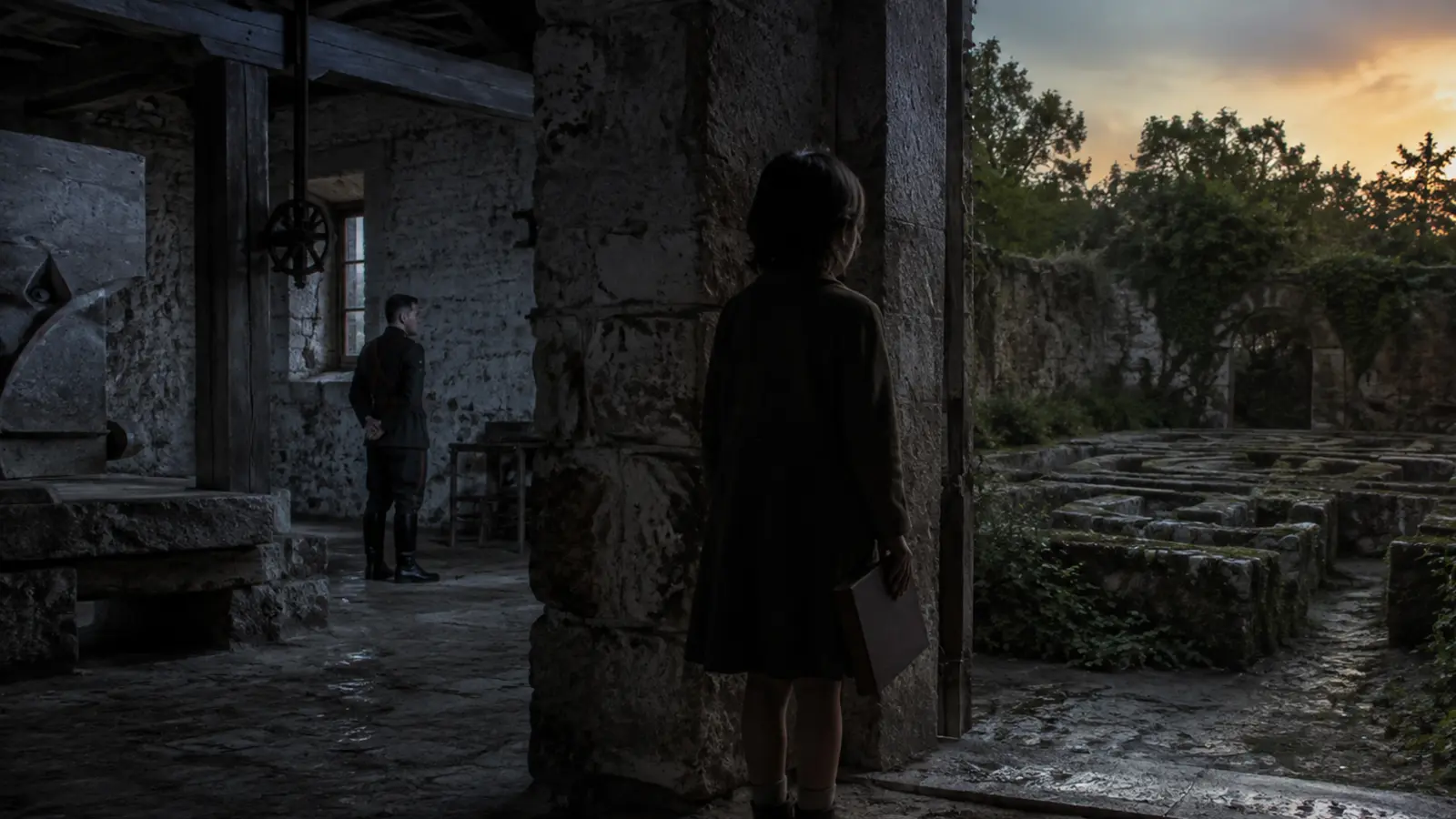
That similarity is crucial. The film does not arrange freedom neatly on one side and oppression on the other. It asks Ofelia to judge demands rather than merely exchange one authority for a more attractive one.
In his interview with Mark Kermode for Sight and Sound, del Toro connects the film’s opposition to fascism with the possibility of individual choice. The point is visible in the structure: obedience alone cannot be a reliable guide to doing the right thing.
The fairy tale makes danger legible
The film uses familiar storybook objects—a key, a forbidden feast, a concealed entrance—but refuses the assumption that familiarity makes them harmless. A task can be frightening before its purpose is clear. A beautiful room can contain evidence of terrible acts.
The Pale Man sequence is especially effective because the instructions seem simple. Its tension comes from the gap between understanding a rule and being able to follow it. The image of a banquet in a world marked by deprivation also makes the room morally unpleasant before its inhabitant begins to move.
Vidal’s domain creates a different kind of dread. There, cruelty can arrive through procedure and certainty rather than an obviously monstrous appearance. The two modes of fear illuminate one another without becoming interchangeable.
Ofelia’s final choice is more important than a puzzle solution
The ending has prompted arguments about how literally to understand the fantasy. Viewers can approach its images differently, but treating the film only as a puzzle to be solved misses the force of Ofelia’s decision.
When an authority demands harm to someone vulnerable, she refuses. The decision matters whether one concentrates on the fairy-tale resolution or the violence in the human world. She has learned that following an instruction does not transfer responsibility for its consequences.
Mercedes and the doctor make related choices in different circumstances. Their resistance gives the film’s moral argument an adult form alongside Ofelia’s. Courage is not the certainty of safety; it is acting when safety cannot be guaranteed.
The creatures have bodies, not just designs
Doug Jones’s performances under the faun and Pale Man makeup give the creatures weight, hesitation and intention. Their movements make them feel present in the same space as the child looking at them.
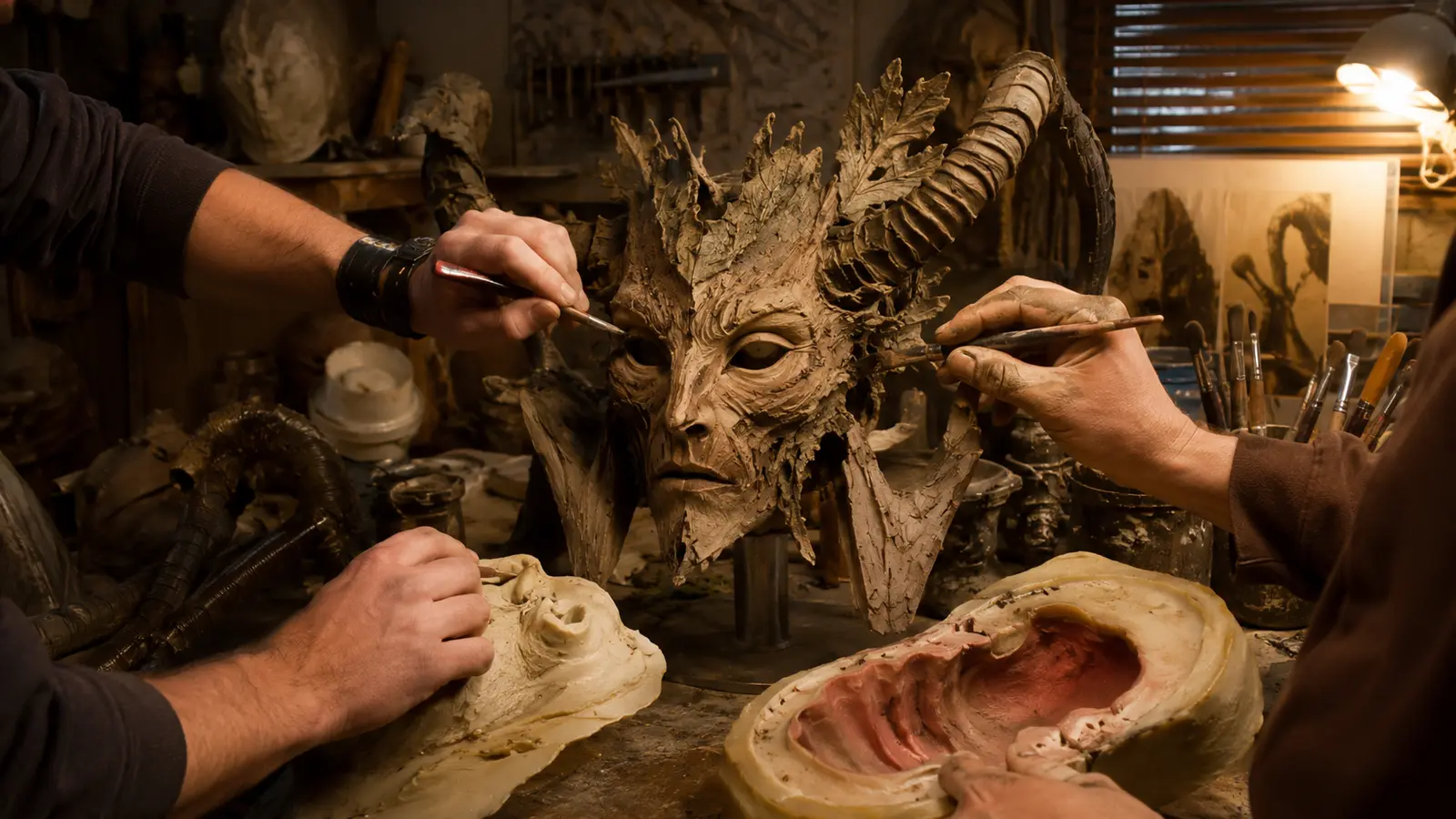
The effects-workshop image above is an editorial reconstruction, not a photograph of Jones or the original makeup team. The film itself combines techniques so that the audience can concentrate on a creature’s behavior rather than continually sorting physical performance from visual effects.
The Academy’s 2007 records list wins for Art Direction, Cinematography and Makeup among the film’s six nominations. The categories describe interdependent work: the spaces, bodies and light have to agree about what kind of world exists.
The result is not simply an attractive collection of monsters. A creature can seem ancient or fragile through the way it stands and breathes. That uncertainty keeps the fantastic encounters from becoming straightforward displays of power.
The lullaby refuses easy reassurance
Javier Navarrete’s music supplies another connection between the story’s worlds. The recurring lullaby has the intimacy of something one person might offer another when an explanation is impossible.
It can sound comforting without promising that the danger will disappear. That distinction suits the film. Tenderness remains possible inside a brutal situation, but tenderness does not give every character control over the ending.
The smaller sounds carry their own pressure: footsteps, a door, a clock and the silence around an instruction. The film’s force does not depend entirely on its most explicit images. Anticipation can make a room feel hostile before anything happens.
Home viewing made the craftsmanship easier to examine
For many viewers, the lasting relationship began with a disc. A DVD edition made it possible to return to an image, investigate supplementary material and learn how a seemingly impossible body or environment had been created.
That does not mean every revisit becomes comfortable. Knowing the next scene can sharpen rather than soften the tension. A familiar film can still ask something difficult of the person choosing to watch it.
The old video-store ritual made that choice visible: select the film, take it home and make time for it. The physical object could become a reminder of a demanding experience rather than an invitation to easy background entertainment.
What the anniversary presentation can change
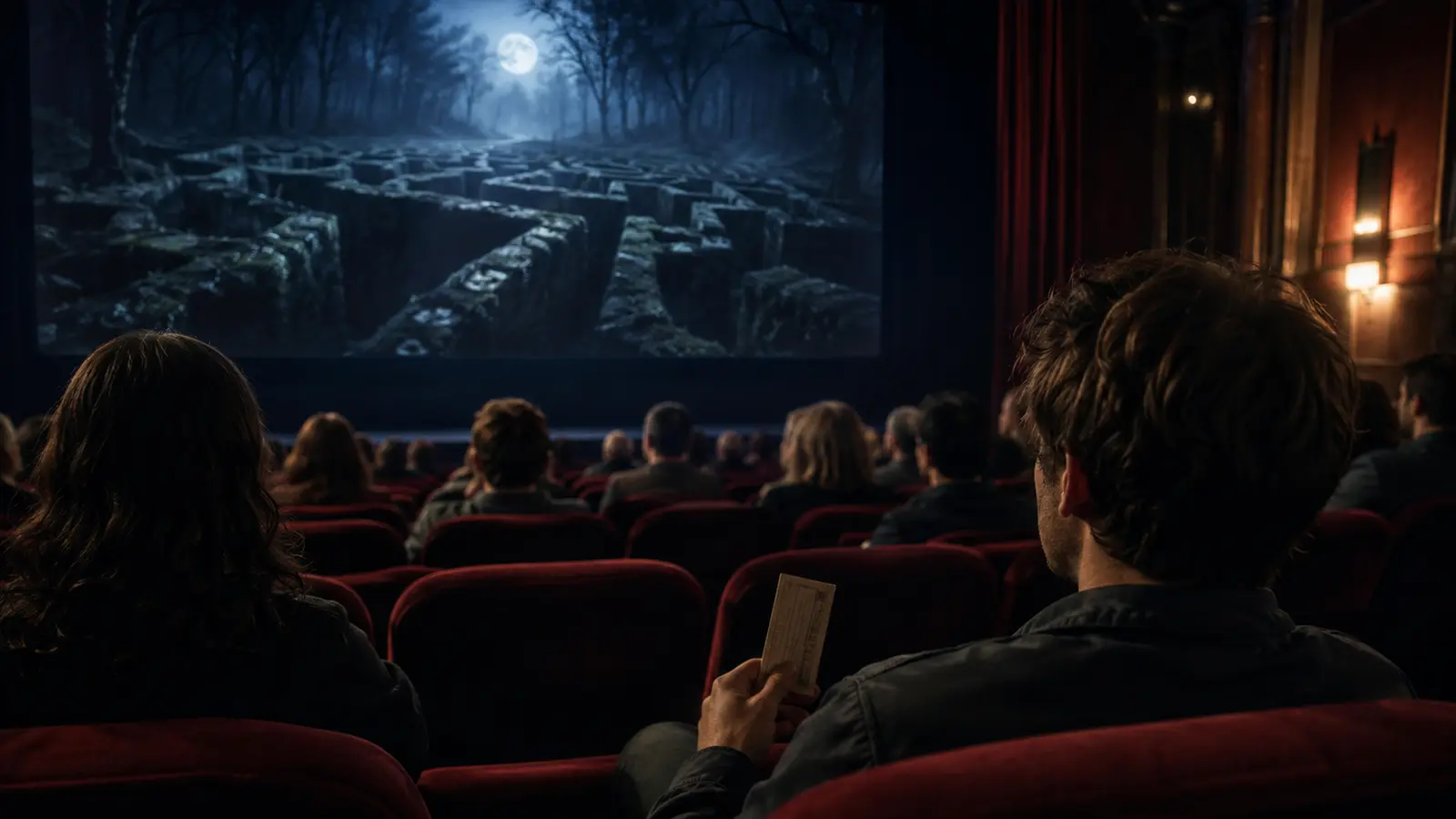
Cineverse’s official announcement schedules the U.S. anniversary theatrical return from October 9, 2026, with restored and 3D presentation options. Availability and format depend on the participating theater; the announcement does not make every screening identical.

Depth can change how a corridor, root or threshold is perceived. Improved presentation can make textures easier to see. Those possibilities do not justify predicting the quality of a particular screening before seeing it, and they do not replace the actors or the film’s moral structure.
The film remains powerful because it allows beauty and terror to occupy the same space. Imagination gives Ofelia a way to understand her circumstances and to choose within them. It never offers the audience an uncomplicated guarantee that choosing well will keep her safe.