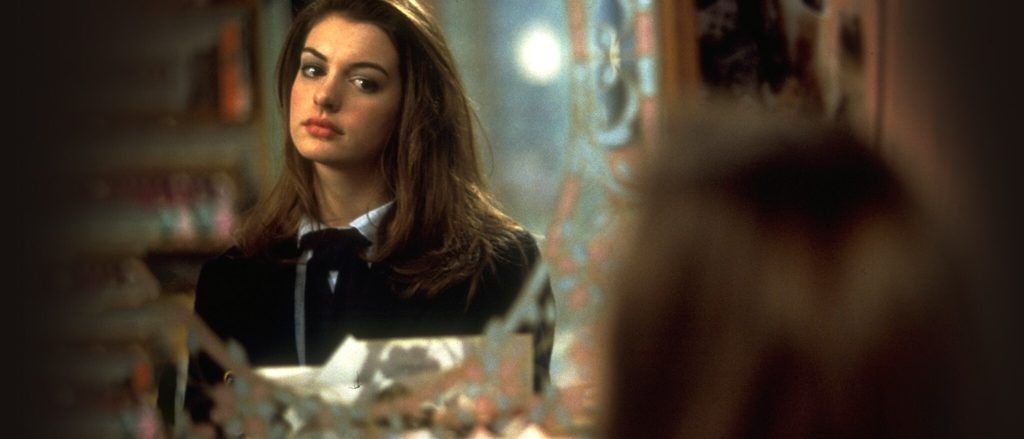
A horror shelf from 1996 could take you in several directions: a fraudulent ghost hunter, a dangerous friendship, a road trip that mutated after dark, a forbidden videotape or a phone call from someone who knew the same movies you did. The year did not belong to one kind of fear.
These five films make an editorial route through that variety. The ranking weighs atmosphere, invention and how well the film rewards another viewing; it is not a box-office table. They originally reached cinemas in 1996, although local release dates and home-video editions differed. This is a grown-up horror selection, with violence and disturbing themes, and the notes discuss premises rather than revealing the final killers.

5. The Frighteners: a ghost story with a mean streak
Frank Bannister can see ghosts, which gives him an unconventional business opportunity. Michael J. Fox makes the character’s hustling energy easy to follow even when the enterprise is dubious. Then the apparently manageable supernatural world turns out to contain something much less cooperative.
Peter Jackson moves between broad comedy and macabre threat without treating them as separate assignments. The elastic effects initially suggest playfulness; later, that same freedom makes the danger harder to contain. A body or a wall cannot be trusted to behave like an ordinary solid object.
The AFI catalog records the film’s July 1996 opening and its combination of comedy and horror. It is an inviting start to this session because it lets the audience laugh before asking it to take the darkness seriously.
Best reason to revisit: the feeling of discovering that the odd little ghost comedy you rented has a much nastier story hidden inside it.

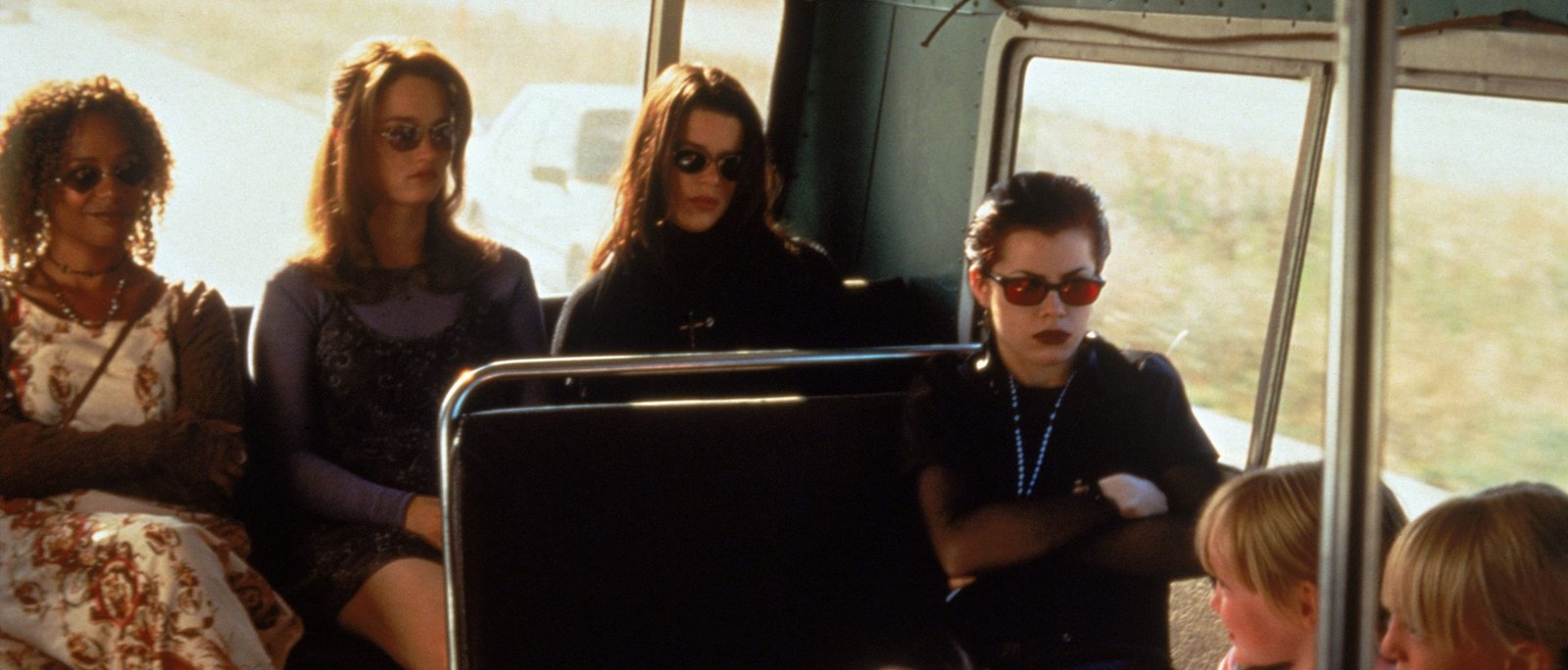
4. The Craft: belonging becomes a power struggle
The clothes and candles make an immediate impression, but the central attraction of The Craft is friendship. Four young women find a group in which exclusion and humiliation might no longer be the rules of everyday life. Power seems to offer a way out.
The horror grows when that refuge becomes another hierarchy. Wanting the world to stop hurting you is understandable; deciding you should control everyone around you is another matter. Sarah and Nancy give the conflict a personal center rather than leaving it as an abstract warning about magic.
Sony’s official film page provides the original movie’s cast and premise. The film is most interesting when its supernatural consequences expose a change that has already happened inside the group.
Best reason to revisit: the tension between the pleasure of finding your people and the realization that belonging can come with demands you never agreed to.
3. From Dusk Till Dawn: the road ends somewhere worse
Robert Rodriguez’s film begins with a hostile, violent journey and eventually becomes a different kind of ordeal. The criminals, hostages and isolated destination establish a pressure cooker before the supernatural threat rearranges the rules.
Knowing that transformation in advance does not remove the pleasure of watching the mechanism work. The first stretch makes the characters dangerous to one another. The later stretch forces new calculations about who might be useful when survival becomes the immediate problem.
Its border setting belongs to lurid pulp, not a realistic portrait of Mexico. The exaggeration is part of the film’s style, but recognizing that distinction makes the viewing more honest. This is a deliberately abrasive movie, and its sexual violence and grotesque imagery make it the least comfortable group choice on the list.
Best reason to revisit: the audacity of committing so fully to a change of genre that the second half seems to swallow the first.

2. Tesis: the danger of wanting to see
Ana Torrent’s Ángela is researching screen violence when a recording turns an academic subject into an immediate threat. Alejandro Amenábar makes corridors, viewing rooms and stored tapes feel contaminated by the possibility of what they contain.
The film understands that withholding an image can make it more oppressive. A sound, a reaction or a pause can force the viewer to imagine what the screen has not shown. Curiosity becomes uncomfortable because it is both the engine of the investigation and part of the problem under examination.
At its thirtieth anniversary, the Complutense University of Madrid hosted a screening and discussion with Amenábar. The university dates the original release to April 12, 1996; its commemorative event took place on April 14, 2026. Those are different dates, a small but useful correction to anniversary retellings.
Best reason to revisit: a thriller that makes looking itself feel like a decision with consequences.

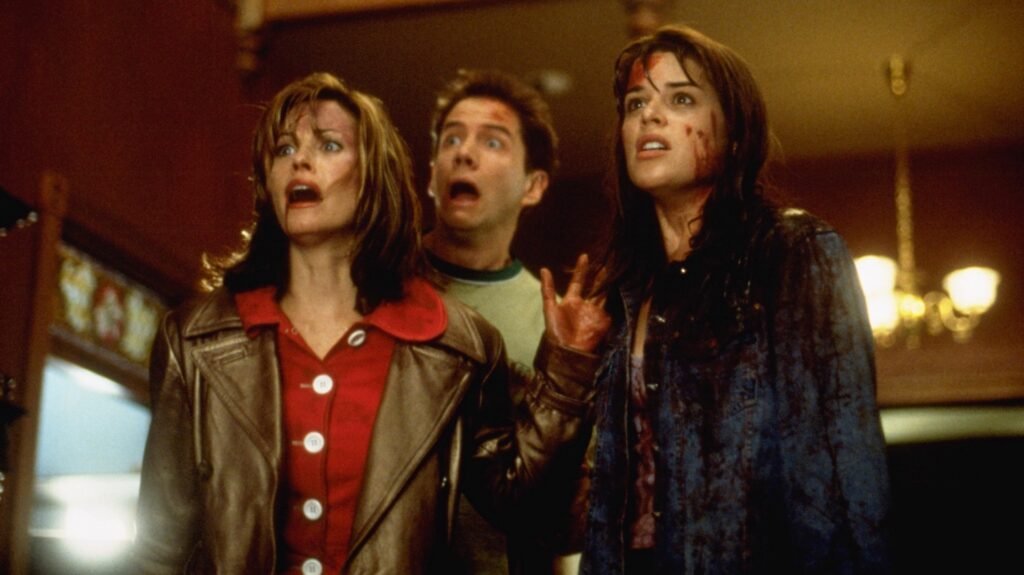
1. Scream: knowing the rules does not save you
A telephone makes an ordinary house feel exposed. A casual question becomes a test. Scream gets much of its force from taking familiar domestic objects and making the characters reconsider what they can safely assume about them.
Wes Craven and screenwriter Kevin Williamson did not invent self-aware horror. Their achievement was to make genre knowledge an active part of the danger. Knowing a convention can produce false confidence, while discussing the rules gives another person an opportunity to manipulate them.
The mystery remains grounded in people rather than references alone. Sidney Prescott has reasons to distrust the world that cannot be reduced to a joke about an older film. Her vulnerability gives the cleverness a cost.
Best reason to revisit: the precision with which it lets you enjoy recognizing a pattern, then makes that recognition insufficient. Our Scream anniversary feature follows the film’s wider legacy.
Build a session, not a homework assignment
You do not need all five in one sitting. Pair The Frighteners with The Craft for two very different kinds of supernatural trouble. Choose Tesis and Scream for a double bill about images, spectators and knowledge that fails to provide safety.
The old video-store ritual was partly about making that choice together. A box promised a mood; the evening tested whether it delivered. These films still offer five distinct promises, and enough invention to make returning to the shelf worthwhile.