Dexter was building something that Dee Dee was about to ruin. Johnny Bravo was preparing to misunderstand another conversation. Courage was trying to protect two people who rarely appreciated the scale of the problem. Somewhere between those stories, a channel had become a place.
For many children growing up in Latin America during the 1990s and 2000s, Cartoon Network supplied the rhythm of an afternoon: school bag down, television on, one episode turning into several. The appeal was larger than any particular series. Voices, bumpers, voting blocks and games made the space between the programs feel worth watching, too.
That identity developed over time. The channel that eventually became associated with Dexter and the Powerpuff Girls began by giving much older cartoons a new home.
1993: cartoons became an all-day destination
Cartoon Network launched in Latin America on April 30, 1993. The date appears in the network’s own background information in a joint announcement with Toei Animation. It followed the U.S. channel’s arrival in 1992, but the regional service developed its own schedules, promotions and audience memories.
The proposition was easy for a child to understand. You did not have to wait for a short cartoon window on a general entertainment channel. In a household with access to the cable service, animation could be the reason to choose that channel at almost any hour.
That last condition matters. Cable access was uneven, and memories differ across countries, providers and households. Cartoon Network was a shared cultural reference without being a universal childhood experience.
The first stars already had long histories
Turner’s animation library gave the new service a foundation. Tom and Jerry, the Flintstones, the Jetsons, Scooby-Doo, Yogi Bear and Warner Bros. shorts brought several eras of animation into the same daily routine.
A child born in the 1990s could therefore become attached to characters created decades earlier. The age of a cartoon was not necessarily obvious when it arrived as the next thing on television. Fred Flintstone and Bugs Bunny could feel as current as the breakfast in front of you.
The mixture made the channel an informal introduction to different styles: theatrical shorts, limited television animation, mysteries, slapstick and family sitcoms translated into drawings. Nobody had to call it animation history for viewers to learn its rhythms.
Original series changed what the channel could be
The creative experiment associated with What a Cartoon! helped move the network beyond its inherited library. Cartoon Network Studios’ account of its shorts programs traces that development pipeline to World Premiere Toons in 1995, with shorts providing a route for creators and characters to reach larger audiences.
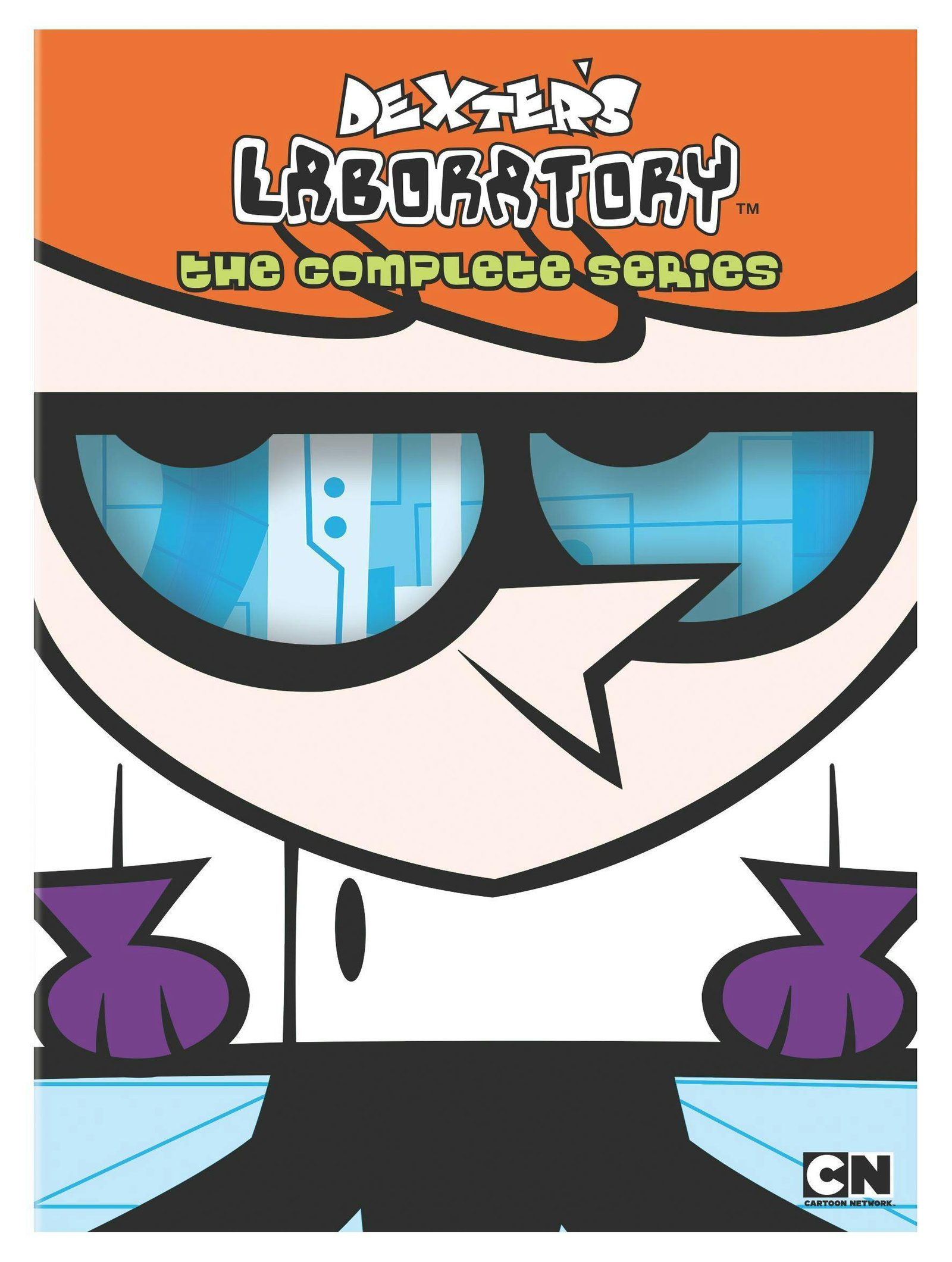
Dexter’s Laboratory, Johnny Bravo, Cow and Chicken, The Powerpuff Girls, Ed, Edd n Eddy and Courage the Cowardly Dog did not share one visual style or comic personality. That was part of their strength. Dexter’s tightly ordered world could sit beside Courage’s anxious surrealism and the Eds’ endless neighborhood schemes.
The channel’s job was to make those differences feel like a reason to stay. Its branding suggested that these characters belonged to the same larger entertainment space even when their actual stories had nothing to do with one another.
The local voices became part of the characters
An English-language list of titles tells only part of this story. Viewers who knew El laboratorio de Dexter, Las Chicas Superpoderosas or Coraje, el perro cobarde encountered these programs through localized names, performances and comic timing.
A remembered line may belong to a particular dub. Even the name of a town or character can locate somebody’s childhood more precisely than the program’s production date. Watching the English version years later can feel familiar and strangely displaced at the same time.
Brazil’s Portuguese-language experience and the different Spanish-speaking markets also resist being compressed into one identical regional memory. The characters traveled widely; the exact sound of the afternoon did not travel unchanged.
Powerhouse made the gaps worth remembering
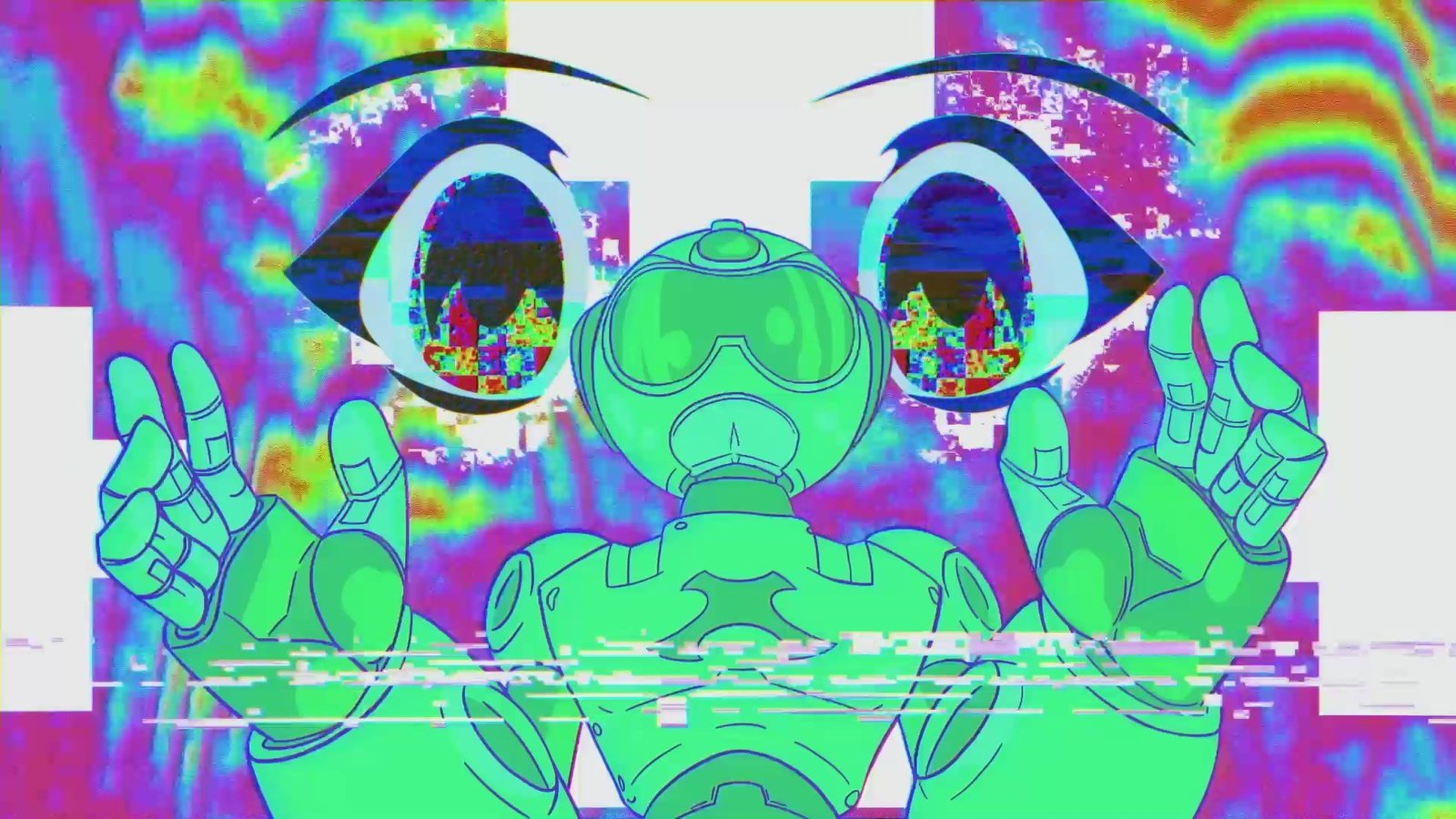
The presentation remembered as the Powerhouse era gave the channel a strong audiovisual signature. Energetic music, graphic movement and character appearances connected the programs to one another.
A bumper was short, but repetition made it familiar. You could recognize the channel from another room, or know what kind of transition was coming before it finished. Those small pieces became part of the accumulated experience of watching television.
It is one reason nostalgia for a channel differs from nostalgia for a series. A streaming copy can preserve an episode perfectly while leaving out the particular announcement, promotion or accidental pairing that surrounded it in your memory.
Votatoon turned a schedule into a small competition
Votatoon offered a particularly memorable form of participation. Viewers chose between programs, and the result determined what would receive the winning block of airtime.
The significance was partly emotional. Television normally presented a decision already made somewhere else. Voting invited children to feel that their preference could influence the afternoon.
The losing choice could become a temporary grievance, while a win felt disproportionately satisfying. It was a lightweight competition built around affection for the shows themselves, and it gave the network another reason to address its viewers directly.
The experience continued at the family computer
The channel’s website extended the relationship through browser games and activities. A character encountered on television could become the reason to ask for a turn at the computer.
That connection was especially appealing before every entertainment property arrived with a continuous stream of apps and social accounts. The site could feel like a second entrance to the same place: watch a show, visit its game, return to the television later.
The limitations of the period were part of the experience. Loading a game, negotiating computer time and finding the right page could become as memorable as the game itself. It fits into the wider digital routine associated with the Windows XP household.
Action opened another door
Comedy never explained the whole schedule. Samurai Jack demonstrated how expressive action, silence and visual composition could be inside a channel strongly associated with jokes. Anime supplied different story structures and a different sense of continuity.
Toonami’s regional history belongs to that development. Its action-focused identity gave viewers a recognizable destination within the larger channel, although lineups and times varied rather than reproducing the U.S. service exactly.
The relationship continued through later arrangements. In August 2020, Crunchyroll announced a partnership to bring Toonami back to Cartoon Network in Latin America. That return makes more sense when the block is understood as a remembered identity, not simply a list of episodes.
CN City made a shared world visible
The mid-2000s presentation often called CN City gave different characters a common urban setting. They could pass one another in streets or appear in everyday situations outside the visual limits of their individual shows.
It made a branding idea literal: these personalities belonged to the same neighborhood. The interstitial material could be entertaining on its own, rewarding viewers who stayed through the transition.
Meanwhile, Boomerang gave classic animation another prominent destination, and newer series kept changing Cartoon Network’s center of gravity. The Grim Adventures of Billy & Mandy, Codename: Kids Next Door, Foster’s Home for Imaginary Friends and Ben 10 became central to different viewers’ versions of the channel.
Every generation has its own Cartoon Network
Later audiences formed equally strong attachments to Adventure Time, Regular Show, The Amazing World of Gumball and Steven Universe. An argument about the channel’s best period is often an argument about the age at which each person encountered it.
Our look at animated series from 2001 catches one particular moment in that changing landscape. It is a useful snapshot, not a boundary beyond which worthwhile animation stopped.
The more distinctive loss is the old relationship with a schedule. You could arrive hoping for one program and discover another because it happened to be next. The network chose the sequence, and viewers built memories around both the choice and the surprise.
That is what made Cartoon Network in Latin America more than a collection of cartoons. It supplied a sequence of voices, colors and invitations that could turn several unrelated shows into one recognizable afternoon.