A good comedy earns a second viewing differently from a mystery. You may know exactly what is about to happen and still want to see the timing, the reaction or the disastrous attempt to recover. The surprise changes into anticipation, and a familiar scene starts working through a different kind of pleasure.
These five films from 2001 cover an unusually broad comic range: a frantic ensemble chase, fashion-world absurdity, romantic embarrassment, an underestimated student and an ogre with a carefully defended personal space. The ranking is an editorial choice based on comic construction, character and repeat appeal, not a claim that laughter can be measured objectively.
5. Rat Race: everyone makes the wrong turn
Several strangers are sent racing toward a cash prize, and almost every possible route becomes a terrible idea. Jerry Zucker’s ensemble comedy thrives on the audience understanding the destination while having no idea what fresh logistical disaster will interrupt the trip.
The variety of performers gives the film several comic speeds. John Cleese’s wealthy organizer inhabits a different world from the increasingly desperate competitors. Rowan Atkinson, Whoopi Goldberg, Cuba Gooding Jr. and the rest of the ensemble can each pull a sequence toward their own kind of absurdity.
Not every gag deserves defending. Some stereotypes and attempts at shock feel considerably less playful now. The strongest stretches depend instead on clear physical escalation: a plan seems possible, one detail goes wrong, and the attempted repair makes everything worse.
Choose it for: a group that wants momentum and elaborate disasters more than a delicate character study. Its unevenness is easier to forgive when the next branch of the race is already accelerating.

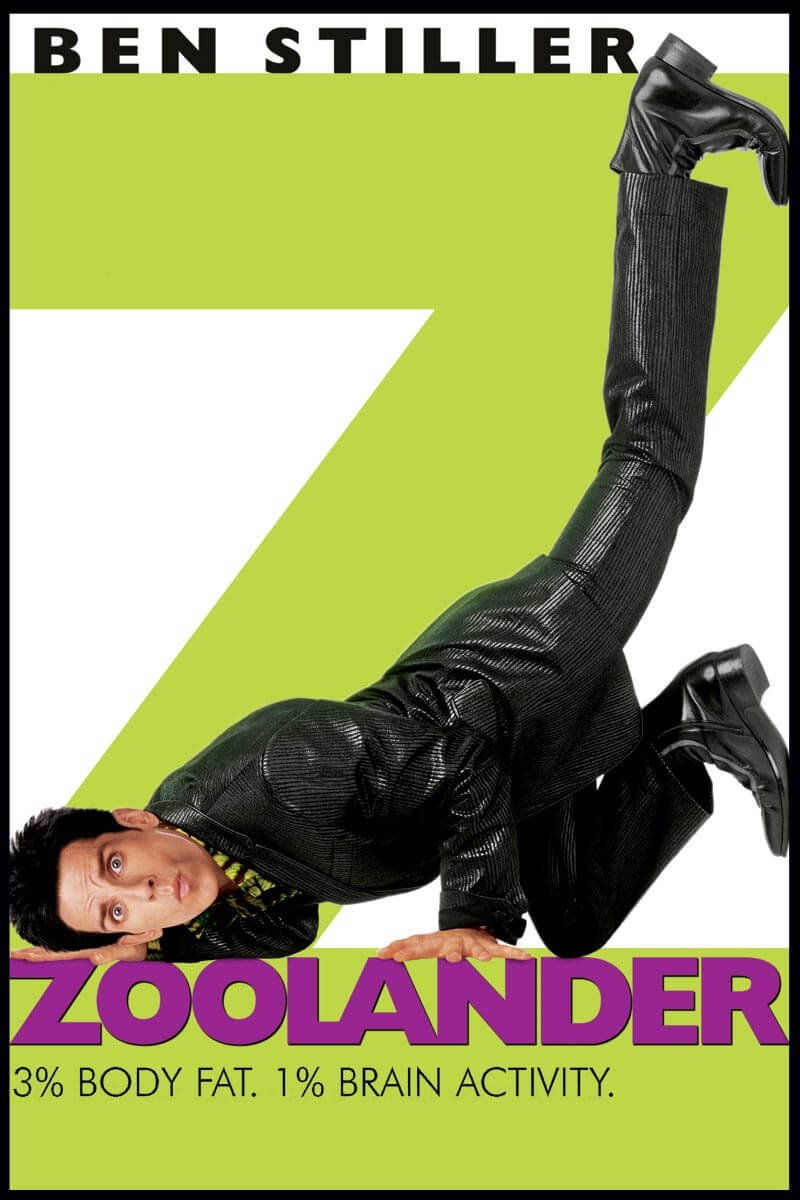
4. Zoolander: the pose is deadly serious
Derek Zoolander cannot see how ridiculous his world is. Ben Stiller’s commitment to that limitation gives the film its center: the performance does not step outside the character to reassure us that everyone is in on the joke.
The official Paramount synopsis describes a male model manipulated into an assassination plot. That bizarre framework lets the film connect image-making, corporate power and personal insecurity without ever becoming a realistic industry drama.
The clothes and expressions are easy to remember, but the durable joke is how much status the characters attach to tiny distinctions. A pose becomes an achievement; a rival becomes an existential threat; an absurd institution is treated as though civilization depends on it.
Choose it for: sustained silliness performed with absolute conviction. Its caricatures of other cultures have aged poorly, and the satire is sharper when it targets the powerful people manufacturing the spectacle.

3. Bridget Jones’s Diary: embarrassment with an inner life
Bridget is funny because the life she intends to have keeps colliding with the one she is actually living. The diary gives that gap a private running commentary: resolutions, justifications and hopes can survive for only minutes before reality requires a revision.
Renée Zellweger makes the embarrassment readable without reducing Bridget to a collection of pratfalls. The performance can move from confidence to mortification and then into a determined attempt to carry on. The Academy’s 2002 record includes her lead-actress nomination for the film.
Some of the surrounding assumptions deserve resistance now, especially the obsessive treatment of her weight and the normalization of certain workplace behavior. Affection for the character does not require pretending those details are harmless.
Choose it for: the feeling of being allowed inside someone’s imperfect attempts at adulthood. The comedy is most generous when it recognizes that self-awareness does not automatically produce self-control.

2. Legally Blonde: the audience gets to rethink its first impression
Elle Woods enters law school carrying the personality that other people have already decided to dismiss. Reese Witherspoon makes her enthusiasm vivid without treating her as empty-headed. The story’s change happens in what Elle wants and how she works toward it, rather than in a sudden discovery that she can think.
The American Film Institute’s retrospective identifies that underestimated perspective as central to the courtroom comedy. Elle can notice something valuable precisely because her experience differs from the people around her.
The film is especially satisfying when relationships become less predictable. A presumed rival can become an ally. Someone who looks like a mentor can prove unworthy of trust. Optimism survives, but it becomes better informed.
Choose it for: a buoyant story about competence that does not demand a personality transplant. Our twenty-fifth-anniversary feature takes a closer look at Elle and the new prequel series.
1. Shrek: the joke has a heart underneath it
Shrek can make fun of fairy-tale conventions while still needing the audience to care about a fairy tale. That double task is its great advantage over a parody built only from recognizable references.
The ogre’s isolation is funny until it becomes clear how much effort he puts into keeping rejection predictable. Donkey’s refusal to leave him alone is irritating and generous at once. Fiona’s secret gives the story a parallel problem: what happens when the version of yourself others expect feels impossible to sustain?
The fast jokes invite a broad audience in, while those emotional problems give repeat viewings something to return to. Shrek won animated feature at the 2002 Academy Awards; its achievement is easier to understand when viewed as a whole film rather than a collection of memes.

Choose it for: the most flexible group watch here, while remembering that its innuendo and rude humor are part of the package. Our Shrek retrospective explores why its unconventional happy ending still matters.
Let the whole movie set the rhythm
A familiar clip can preserve a punch line while losing everything that prepared it. Watching the full film restores the pauses, the relationships and the small setup that becomes useful half an hour later.
That was part of the pleasure of a video-store movie night: choosing one box meant giving its particular sense of humor some time. These five still reward that commitment, even when revisiting them also means noticing what no longer lands.