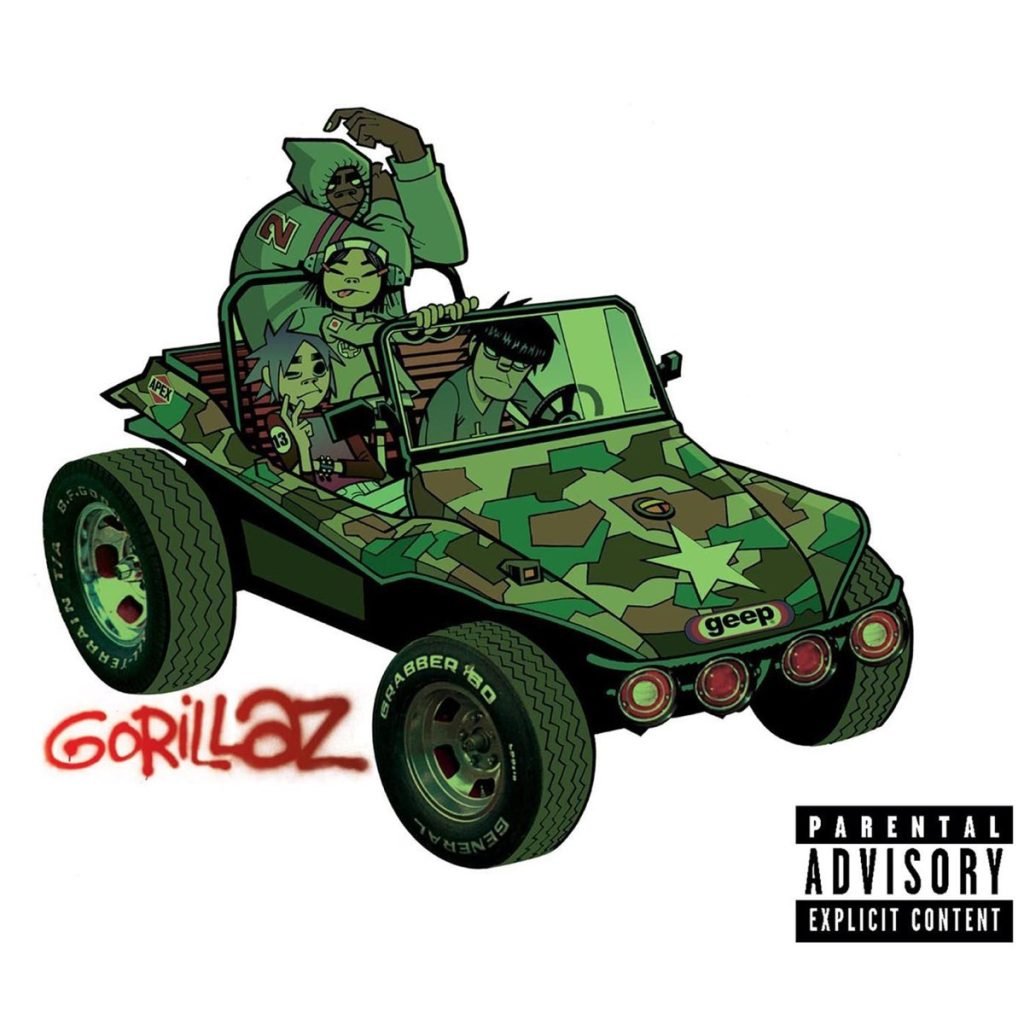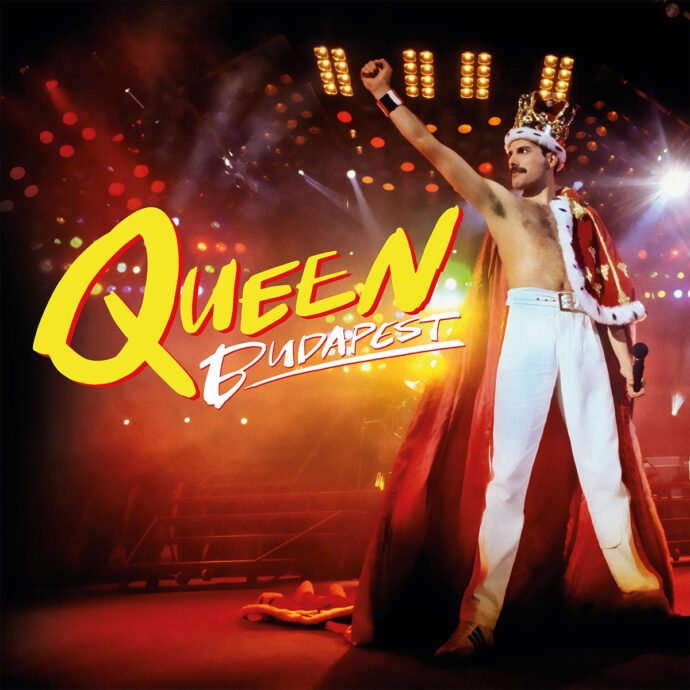
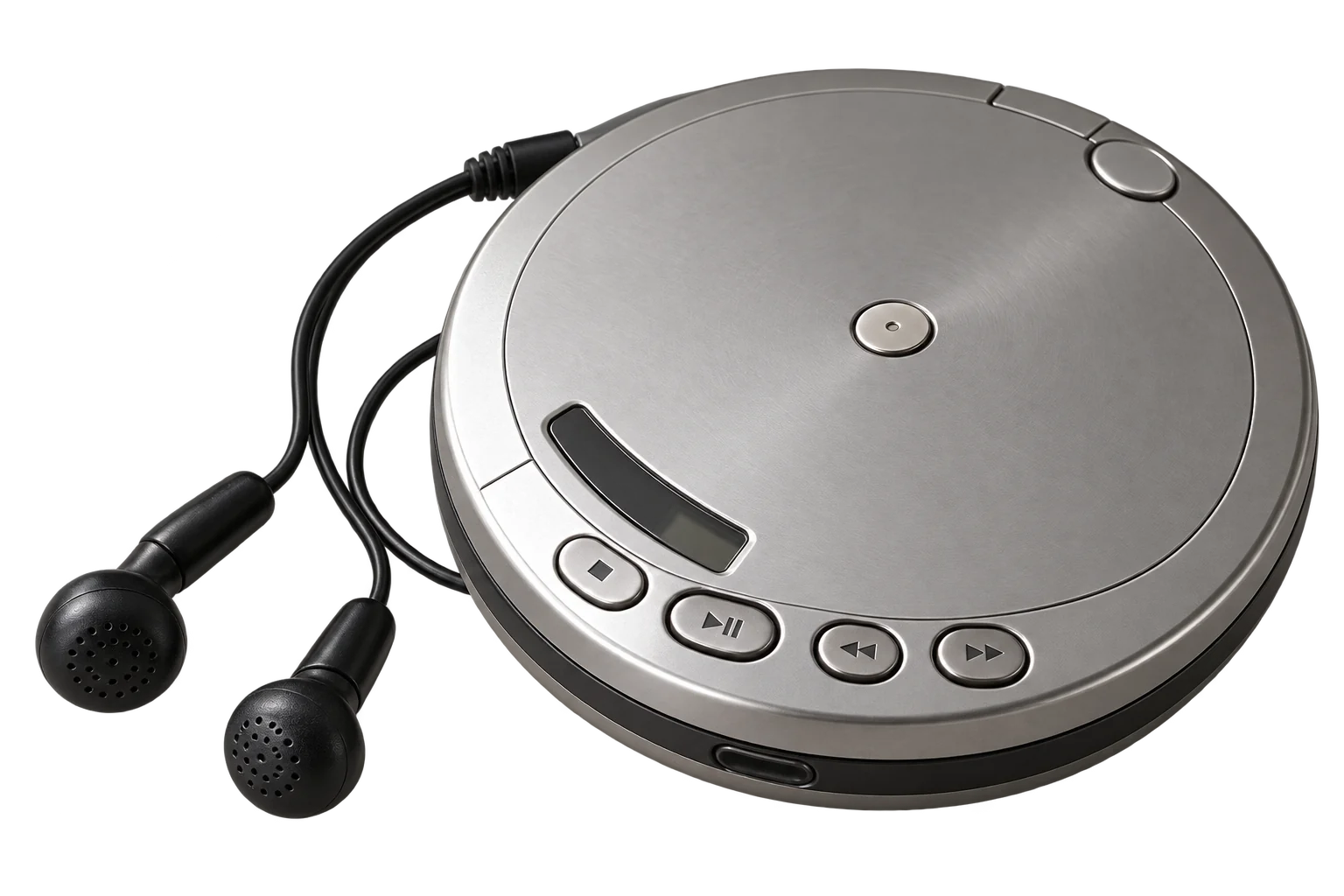
Buying an album used to end with an object. You carried it home, fought the plastic wrapping, opened the case and found a booklet small enough to lose but important enough to read from beginning to end. The music arrived with photographs, credits and a place on the shelf.
Streaming made access easier than that ritual could ever be. Yet some listeners who grew up with almost unlimited music are finding that a small collection of discs offers something a subscription does not: a visible, personal record of what they chose.
The CD’s return is not just a feeling. Luminate’s 2026 midyear report recorded 16.3 million U.S. CD sales in the first half of the year, up 16% from the same period in 2025. That measures a particular market and period, not the whole world’s listening habits, but it gives the comeback a useful scale.
The album used to arrive as a complete package
For listeners in the 1990s and 2000s, the choice often began in a shop. You recognized a single, studied the back cover and decided whether the rest of the album was worth the risk. Sometimes a friend’s recommendation carried more weight than anything printed on the case.
Once the disc was yours, the songs had an order. The familiar radio track might be number four, surrounded by music that was quieter, stranger or more interesting than you expected. Listening again made the sequence familiar.
A CD never forced anyone to hear every track—skip buttons existed, and people used them enthusiastically. But the album remained the physical unit you had selected. The booklet and packaging could keep drawing your attention back to the whole work.
Our selection of essential albums from 2001 offers a way to revisit that habit: pick one, start at the beginning and let its running order do some of the work.
The format had a whole ecosystem
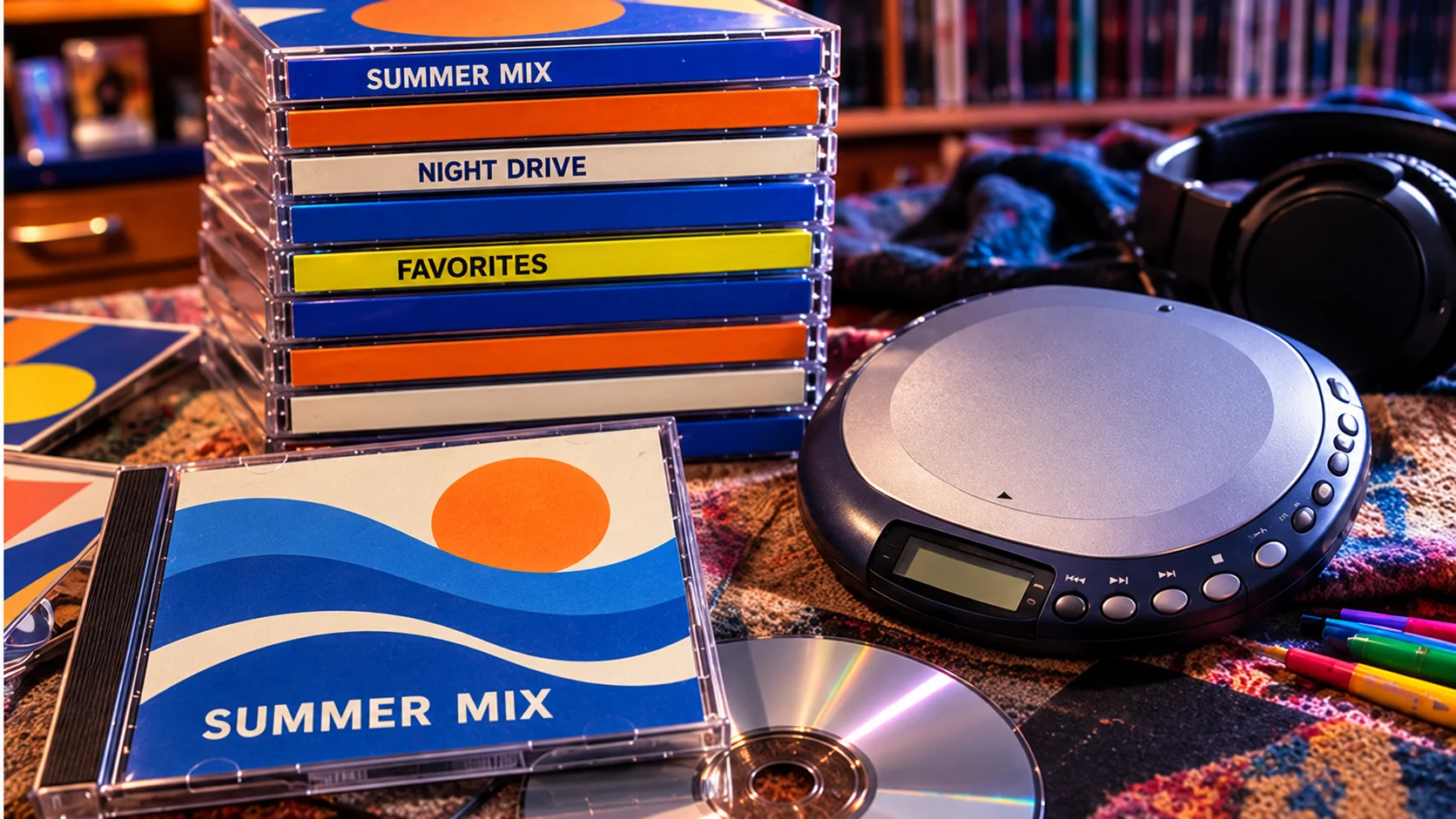
A compact disc could travel from a bedroom stereo to a portable player, then to a car and back again. It required cases, sleeves, batteries and a surprising amount of care for something advertised as a modern improvement on older formats.
There were multi-disc changers, enormous zippered wallets and car sun-visor organizers that turned a music collection into an improvised storage problem. A disc could be perfectly labeled while living in the wrong case for years.
The objects acquired their own sounds: a tray sliding outward, a lid clicking shut, a drive spinning up. They belonged to the same everyday soundtrack as the other sounds of 2000s technology that can bring back an entire room before you remember what you were doing there.
A burned mix was a playlist you could hold
Recordable CDs turned selection into a small production. You gathered tracks, arranged them, checked the running time and decided which song had to go when the collection would not fit.
The limit made the order feel consequential. The first song introduced the mood. The last one had to leave the right impression. A mix for a road trip was different from a mix for a party, and a mix for one particular person could require much more thought than either.
The label might be SUMMER 2004, ROAD TRIP or simply GOOD STUFF. The handwriting became part of the object. Years later, a marker scrawl can tell you almost as much about the moment as the first track does.
Digital playlists made sharing easier and editing almost effortless. A physical mix preserved the decisions as they were at the time, including the questionable transition you were once absolutely sure would work.
Music escaped the disc, then the hard drive
MP3 libraries changed the relationship between a song and its container. Music could live on a computer, move between folders and be played through software such as Winamp or iTunes. An iPod made a large personal library portable without a bag of cases.
Streaming removed another step. Instead of obtaining and storing every track yourself, you could search a service and play it immediately. Discovery became faster, and a recommendation no longer had to wait until the next trip to a shop.
Those improvements are real. A CD collection cannot match the breadth and convenience of a major streaming catalog. Its attraction comes from a different relationship to a smaller set of music.
Access and possession feel different
A streaming library exists inside a service whose catalog and features can change. A physical album remains an object you can keep, lend or find in a box years later. Listening still requires a working disc and compatible player, but it does not depend on keeping that album in a subscription catalog.
That distinction is easy to feel even when it rarely causes a practical problem. A shelf of twenty favorites can say more about you than a digital library containing thousands of tracks you have not played in years.
There are limitations, too. Discs can be damaged, players can fail and a collection takes space. Owning the object does not make it indestructible. It does make its continued presence easier to understand: the album is there because you kept it.
For some buyers, the object is the point
Modern physical releases often include photography, special packaging and collectible extras. The disc can be part of a larger relationship with an artist, rather than the buyer’s only way of hearing the songs.
Luminate’s September 2026 discussion of physical collecting noted that CD sales still grew 6.7% when K-pop was excluded, while roughly half of Gen Z and millennial CD buyers did not own a CD player. That helps explain why physical sales and streaming can rise together.
A person can stream an album on the way to work and still want its artwork on a shelf. The purchase may combine listening, collecting, display and support for a favorite artist. Different buyers assign those purposes different levels of importance.
The collection can carry another person’s history
A secondhand disc may arrive with an old price sticker, a name inside the booklet or a case that has survived several moves. Those details are not part of the recorded music, but they become part of the experience of finding it.
Borrowing an album from a friend creates another layer. You remember who recommended it, where you first listened and the awkward length of time before you finally returned it. A gift can retain the association long after the occasion has faded.
Physical media gives those memories a place to collect. The same is true of a favorite movie on DVD or a game cartridge passed between siblings. The object keeps evidence of its journey.
A comeback does not have to replace streaming
The renewed interest in CDs does not mean that listeners are collectively returning to the habits of 1999. Streaming continued to grow globally in the same Luminate midyear report. People can use several formats for different occasions.
A disc can be an occasional deliberate choice: one album, one player and no need to decide what an app should play next. For somebody who has never had that routine, it can be a discovery rather than a reenactment.
The format’s appeal is therefore larger than nostalgia for a vanished market. It offers a manageable collection, a physical design and a small decision that lasts longer than a tap on a screen.
Having almost every song available is extraordinary. Sometimes you still want to take one particular album from the shelf, open its case and remember why you chose it.