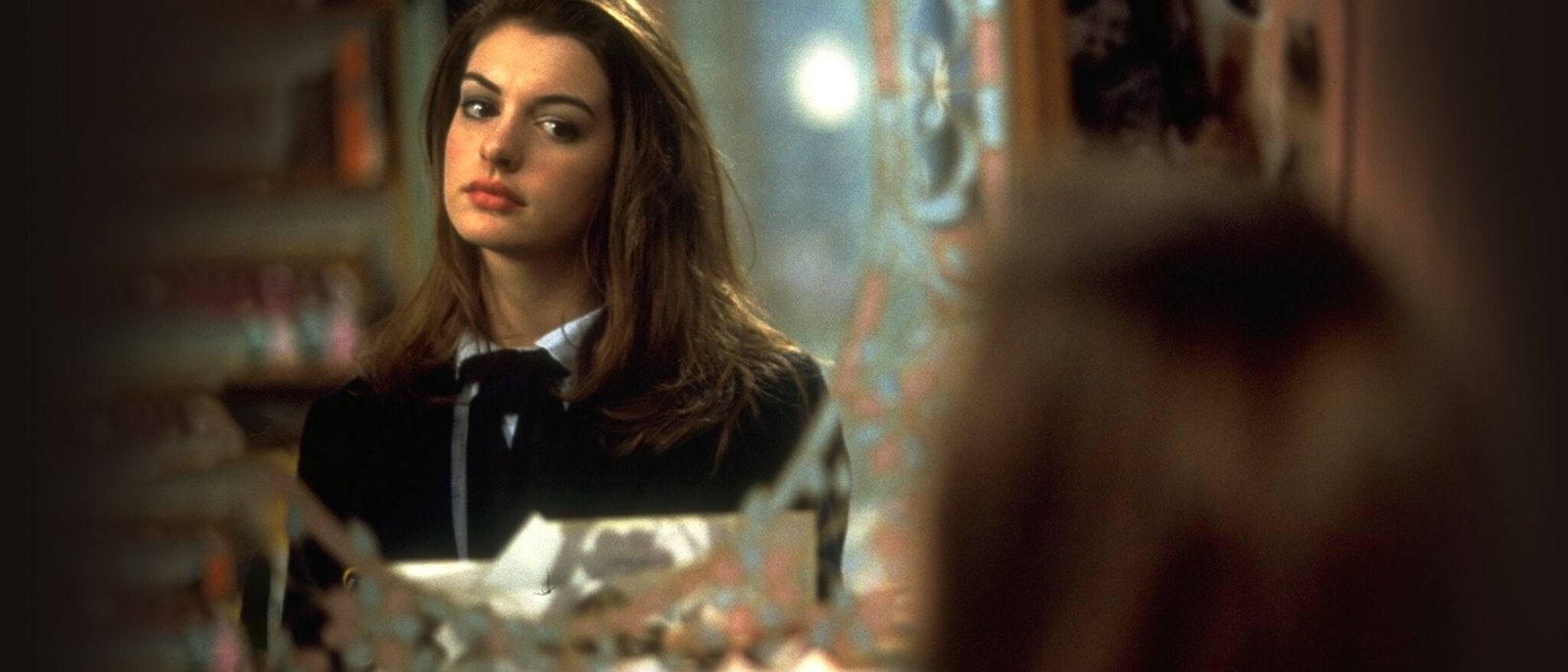
The enduring appeal of The Princess Diaries is not really the crown. It is the feeling that the person wearing it might still trip on the way into the room. Twenty-five years after the film’s 2001 release, Mia Thermopolis remains an unusually approachable fairy-tale heroine: awkward, overwhelmed and not entirely convinced that everyone has chosen the right girl.
That affection helps explain the interest in a third film. But the anniversary offers a reason to revisit the original on its own terms. What did this bright teen comedy understand about embarrassment, family and growing into a public identity—and what would any continuation need to remember?
What has actually been said about a third movie
In an October 2024 announcement, author Meg Cabot welcomed Anne Hathaway, producer Debra Martin Chase and director Adele Lim to the project. Cabot also clarified that the plan was a continuation rather than a prequel.
Hathaway’s April 2026 interview with Entertainment Weekly added an important qualification: the team was still working on the script, and the film had not yet been greenlit. She hoped to make it next, but described an intention rather than a production schedule.
Those are dated statements about development. They should not be turned into a confirmed filming date, release date or complete cast. The distinction matters because enthusiasm for a return to Genovia can easily travel faster than the actual announcements.
Before the film, a novel understood teenage embarrassment
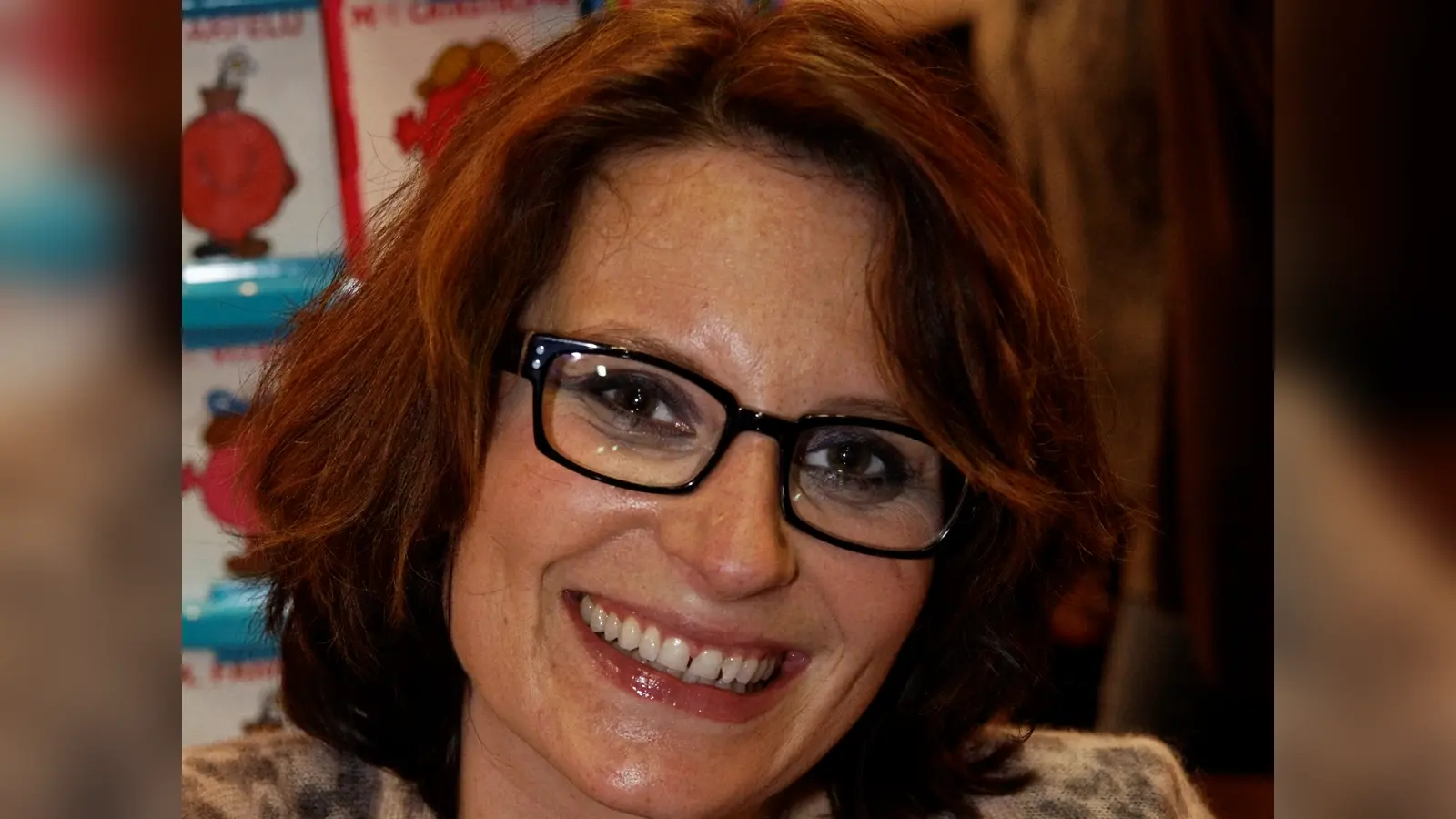
Meg Cabot’s novel, published in 2000, begins with an irresistible disruption. A Manhattan teenager discovers that her father belongs to Genovia’s royal family. An ordinary private life suddenly comes with extraordinary public obligations.
The film moved the central setting to San Francisco and reshaped family details, building an adaptation with a personality of its own. Books and movies became related versions of Mia’s world, rather than identical accounts of it.
What connects them is not merely royalty. It is the fear of being exposed before you know who you are. The princess fantasy attracts attention; the discomfort of receiving that attention makes Mia recognizable.
She does not arrive in Genovia’s orbit with the confidence of a chosen one. She stumbles, speaks when she would rather disappear and discovers that formal etiquette can turn an ordinary movement into an ordeal. The crown magnifies the anxiety instead of making it vanish.
The important transformation happens after the makeover
Popular memory often reduces the film to straightened hair, broken glasses and a spectacular dress. The makeover montage is a familiar language of teen movies, and the contrast is designed to be memorable. But treating it as the whole story confuses the packaging with Mia’s character arc.
Paolo does not give Mia her value by changing her appearance. The harder lesson is learning to occupy space without apologizing for being there, and making a decision when retreat feels easier. Her appearance creates the fairy-tale reveal. Her choices determine what she does with it.
That difference matters when revisiting a film from 2001. Some makeover stories make beauty appear to solve a moral problem. The Princess Diaries leaves room for a kinder interpretation: Mia’s dignity was already there before anyone knew her title.
The film is not beyond criticism for using the makeover convention. Its continuing appeal comes partly from the ways the character exceeds it. A different hairstyle does not make her less frightened, less funny or less likely to mishandle a grand occasion.
San Francisco keeps the fairy tale close to ordinary life
The city stops the story floating entirely into a palace. Mia lives in a converted firehouse, travels across hills and attends a school where any disaster can happen in front of the people whose opinions matter most to her.
Genovia represents duty and a larger identity. San Francisco supplies the daily world she already understands: friends, family routines, lessons and the possibility of being embarrassed before lunch.
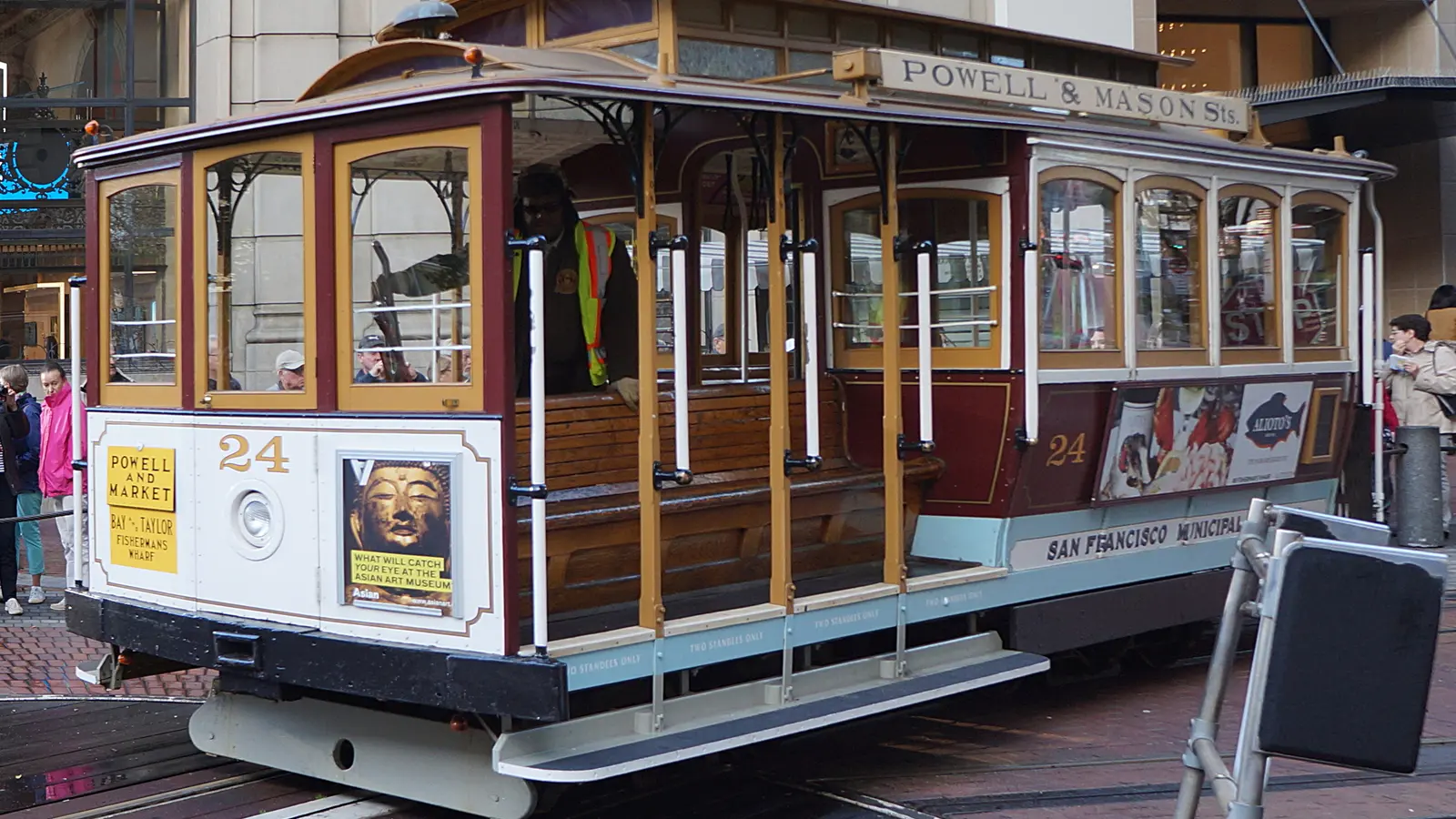
For many viewers, the movie also became part of a routine outside the theater. It might be a television afternoon, a rental from Blockbuster or a disc played until even the menu felt familiar. It belonged to a moment when VHS and DVD coexisted, and repetition helped small gestures become shared memories.
One memorable stumble was less carefully manufactured than it appeared. In a filmed look back discussed by Glamour, Hathaway explained that her fall on the wet bleachers was accidental. Garry Marshall kept the moment and the actors’ reaction. An unscripted slip fitted the character so well that it became part of the film’s comic language.
Julie Andrews made authority feel capable of affection
Clarisse Renaldi could have been only a collection of rules: straighten your posture, choose the correct words, use the right utensils. Julie Andrews gives her a more interesting task. The queen expects a great deal, but she must also learn how to be a grandmother.
Her relationship with Mia keeps the story from depending entirely on romance. Two women from different generations negotiate the distance left by a complicated family history. The etiquette lessons are entertaining partly because an emotional education is taking place underneath them.
Clarisse begins as an intimidating visitor from another world. Mia gradually discovers a person inside that role, while Clarisse discovers a granddaughter who cannot be understood through protocol alone. Both have something to learn.
That bond makes the possibility of another movie emotionally complicated. Wanting a particular reunion is understandable. Treating a hoped-for return as a confirmed casting announcement would do neither the audience nor the performers any favors.
A film from 2001 does not have to pretend it is still 2001
The first film carries the texture of its moment: printed photographs, folding phones and school gossip that moves without today’s social networks. A sudden public identity is mediated through newspapers, photographers and television cameras.
The central anxiety has hardly become obsolete. Mia worries that the public version of her might swallow the private one. In a world of viral clips and permanent commentary, that fear would have new ways to reach her.
A continuation would not need to copy the old accessories to retain the original concern. It could ask how a person changes after years of representing an institution, building relationships and living inside other people’s expectations.
That is a more promising bridge between past and present than pretending no time has passed. The first movie asks whether Mia can accept an extraordinary responsibility without losing herself. An older Mia could discover that accepting it once was only the beginning.
Garry Marshall’s most important contribution was generosity
Marshall allowed physical comedy and fairy-tale warmth to coexist. A fall, an awkward conversation or a look held for a moment too long could be funny without making the person at its center disposable.
The film is bright and polished, but it is not built around contempt for its heroine. Mia can get things wrong and still deserve affection. The same generosity lets an intimidating grandmother become more than a comic obstacle.
After Marshall’s death in 2016, any return to this world would necessarily need a new directorial voice. Honoring his work would mean more than repeating a joke or recreating a dress. The difficult thing to preserve is the sense that humanity matters more than elegance.
Let Mia grow up
Hathaway is no longer the newcomer leading her first feature film. A new story would be more interesting if it acknowledged that distance. Mia need not learn the same lesson again; she could discover what it costs to keep applying it.
Returning friendships, rivalries and ceremonies would matter most if they revealed change. Nostalgia becomes useful when it lets us measure time. Freeze everybody in the past and the reunion risks becoming a display of familiar costumes.
The original film keeps working because its heroine never becomes perfectly comfortable. She can learn, decide and take responsibility while still feeling awkward. Growing up does not have to remove that contradiction.
At 25, The Princess Diaries still offers the pleasure of an impossible discovery and the reassurance of a very possible person. Under the crown is somebody who can stumble, laugh and get up again. That is the Mia worth returning to.