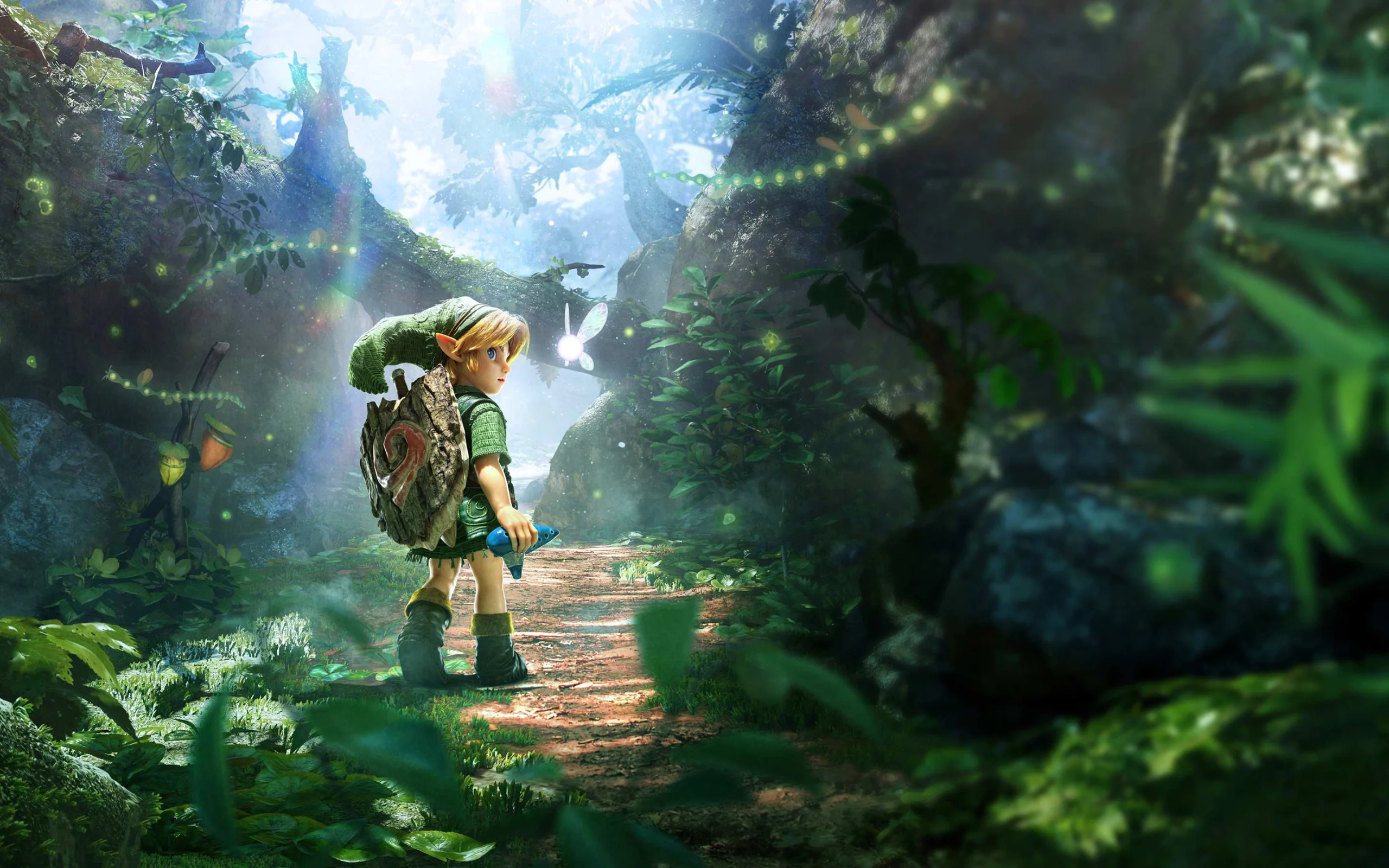
The most important thing in Ocarina of Time was never the number of trees in Hyrule Field. It was the moment the forest opened and you realized you would have to learn your way around. The horizon promised somewhere to go; the approaching sunset suggested you should probably get moving.
Nintendo’s Switch 2 reconstruction brings that world back on November 5, 2026. Its official product page confirms rebuilt visuals, voiced cutscenes, expanded dialogue, orchestral music and revised movement and camera controls. Those are substantial changes. Whether they preserve the original’s sense of discovery is a question for the finished game, not something a trailer can settle.
What is confirmed, and what remains a question
As of October 7, the game is scheduled exclusively for Switch 2. Nintendo also lists support through Zelda Notes in the Nintendo Switch App and new Young Link and Young Zelda amiibo planned for 2027. This article is a preview and retrospective, not a hands-on review.
We are not treating an exact frame rate, rendering resolution or a complete dungeon redesign as established facts. Better-looking footage can make an announcement feel more specific than it actually is. The useful question is what each announced change could do for the experience of exploring Hyrule.
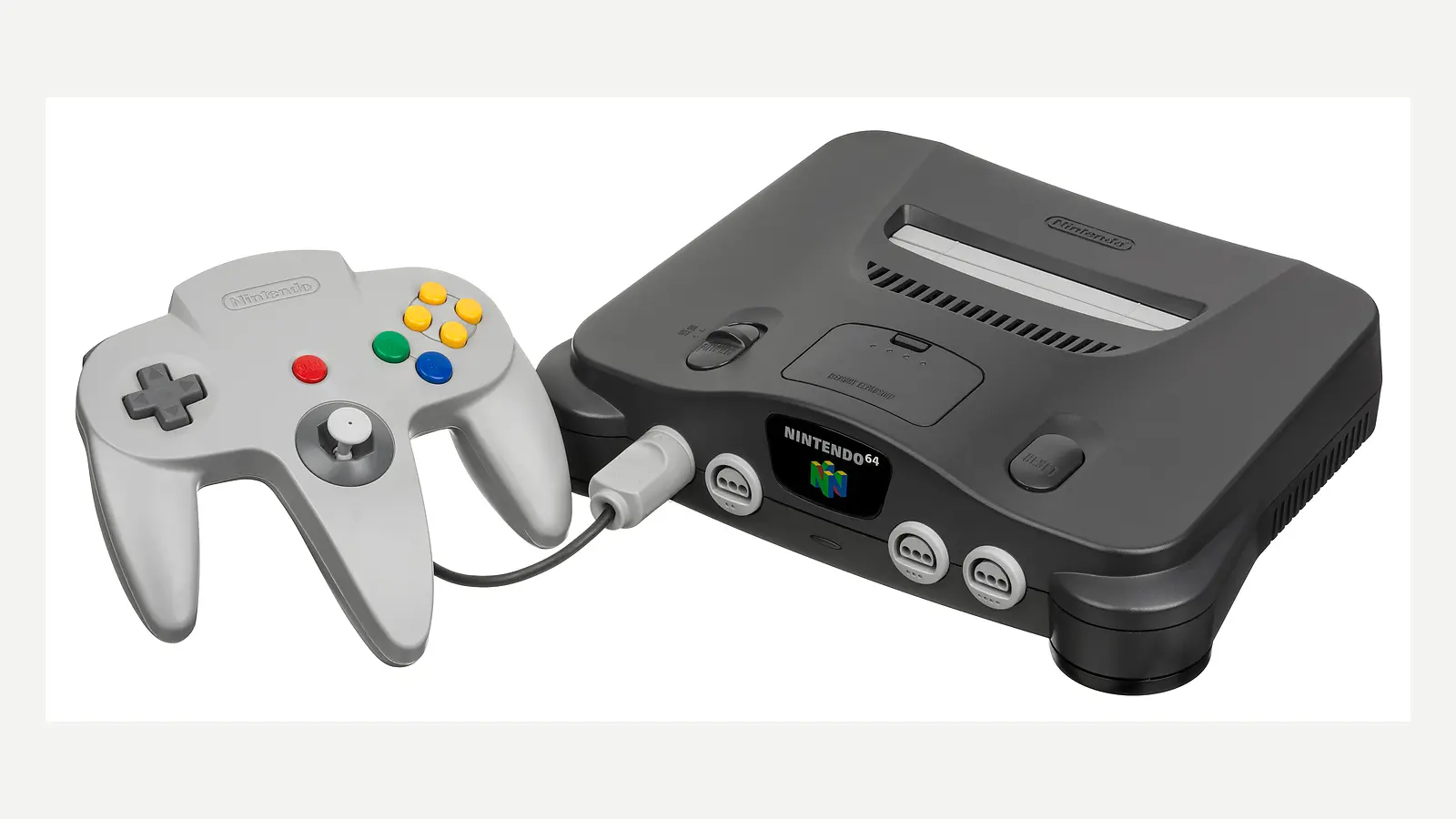
In 1998, simply looking at an enemy was a design problem
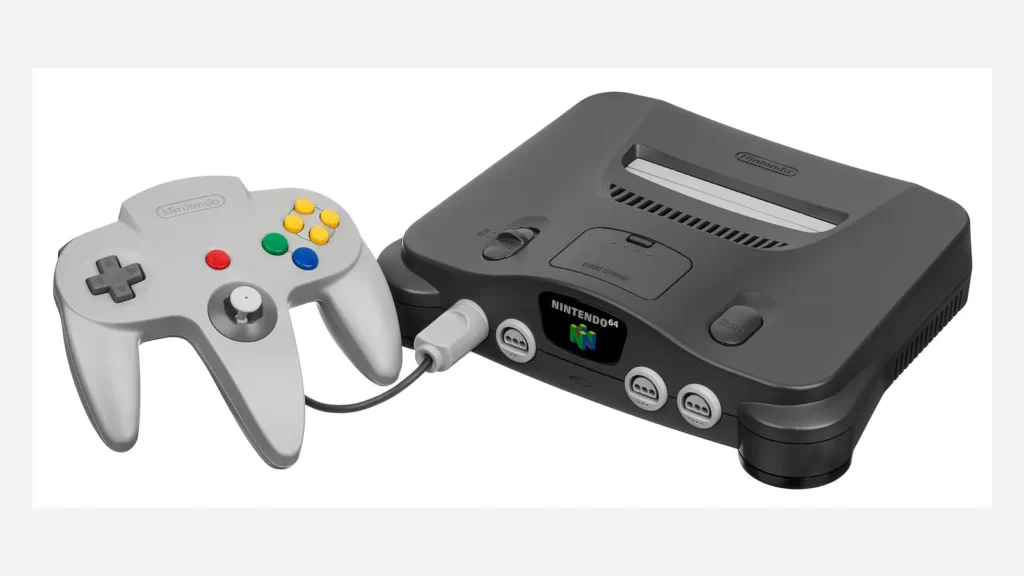
The Nintendo 64 asked players to think in depth. Moving through a room, finding the correct doorway and keeping an enemy visible had become different problems from their equivalents on a flat screen. A sword swing was no help if the camera pointed at a wall.
Z-targeting gave combat a readable center. Link could face an opponent while circling, blocking or closing the distance. The mechanic joined movement and attention: choosing where to look became part of choosing what to do.
In Nintendo’s development-team interview, a visit to Toei Kyoto Studio Park becomes an illuminating example. Watching staged sword fights helped the team think about opponents taking turns instead of overwhelming the player at once. The result made dramatic action understandable through a controller.
Modern camera movement can complement that clarity. It should be easier to look around a room without making every duel a contest against the viewpoint. The original lesson remains valuable: more freedom only helps when the player can read the situation.

Hyrule felt large because its places felt different
The field was a connector, but an emotionally powerful one. The ranch, the mountain and the castle did not feel like interchangeable destinations. Their shapes, sounds and inhabitants provided a mental map before the player knew every route.
A return visit can reveal how compact that geography really is. That does not make the earlier memory false. You remember the uncertainty of crossing it, the first time darkness arrived, and the relief of recognizing a familiar path. Size and significance are different measurements.
A remake has the opportunity to make those identities richer. It also has the temptation to fill every quiet stretch. An empty patch of field can establish distance, offer a breath between dungeons or let a melody take over. More activity would not automatically mean a more convincing world.
The Water Temple separates difficulty from inconvenience
The Water Temple became shorthand for getting stuck. Yet its spatial puzzle and its original equipment management were different things. Understanding connected rooms and changing water levels could be satisfying; repeatedly stopping to equip the Iron Boots could break that concentration.
Eiji Aonuma discussed the improvement in Nintendo’s Water Temple retrospective for the 3DS edition. Easier boot management showed that a practical interface change could preserve the puzzle while removing an interruption.
That is a useful standard for any new version. Help the player operate the tools; allow the room itself to remain a question. Faster access to an item does not require a marker announcing exactly where to use it.

A melody was something your fingers remembered
The ocarina joined the soundtrack to the game’s actions. A short phrase could call someone, change the time or open a route. Because the player performed the melody, music became a small piece of knowledge carried between places.
That relationship explains why the tunes can survive longer than the details of a dungeon. They were practiced, not merely heard. A more elaborate musical arrangement can make Hyrule sound enormous, but the intimate satisfaction of remembering a few notes is worth protecting.
Here’s why the Bottom of the Well still feels wrong. That dungeon shows how much mood the original game could get out of a small space. Our piece on what sound could change in an Ocarina of Time remake looks at the same game through voices, music and silence.
The guidebook was part of the adventure, too
A borrowed cartridge came with borrowed knowledge. A friend described a hidden entrance, a magazine printed a map, and somebody insisted there was one more secret behind a wall. The information was imperfect, but sharing it made the adventure social.
Modern optional help can serve that same purpose when it answers a question the player has actually asked. It becomes less useful when it removes the question before curiosity has time to form. The best hint sends you back into the world wanting to look again.

Returning is the story
Ocarina’s passage between childhood and adulthood makes the return especially appropriate. Familiar places change. People need different things. Understanding the world does not stop it from becoming strange again.
Older players will bring years of memories to the new version; newcomers will bring none. The remake has to work for both. Recognition can make an entrance moving, but an unfamiliar player still needs a good reason to walk through it.
November will provide the practical answer. Until then, the original offers a clear standard: a Hyrule worth observing, tools worth learning and a journey in which returning home does not mean finding everything exactly as you left it.