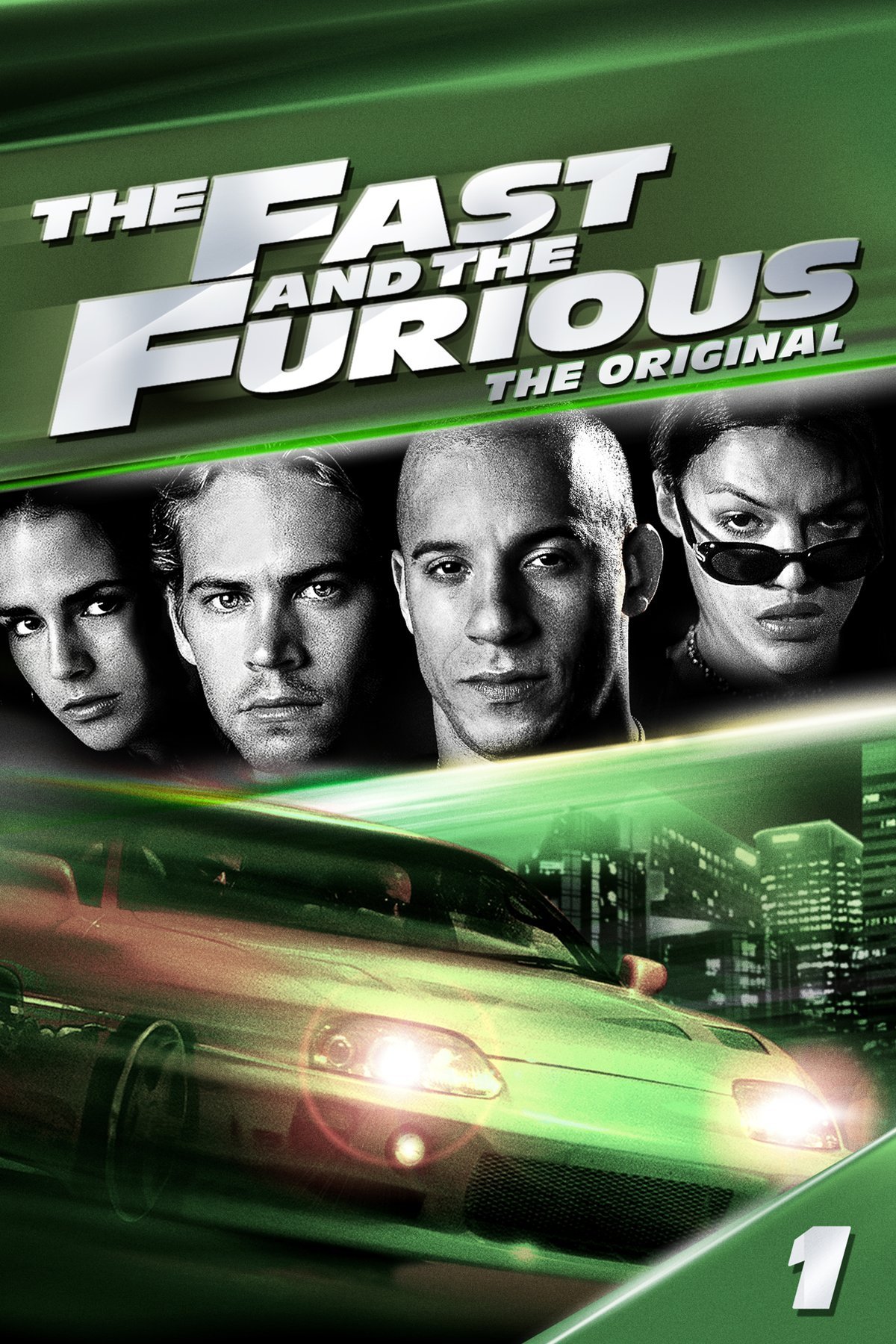
Before the international missions and escalating disasters, The Fast and the Furious was a story about earning a place in a small group. Brian O’Conner arrived with a green car, an unconvincing amount of confidence and a job that required him to betray the people he was trying to impress.
The 2001 film turns 25 in 2026. Returning to it reveals how much of its appeal depends on things the later series could afford to leave behind: a neighborhood, a workshop, a dangerous race and the possibility that a friendship might not survive the truth.
Its world is exaggerated, but still small enough to imagine touching. That scale gives the speed something to act upon.
The first race is an audition
Brian wants to be taken seriously before he has earned the right. Opening a hood becomes a public presentation; everybody looking knows enough to judge what they see. The race is an attempt to turn equipment and bravado into membership.

The film’s nighttime gatherings combine competition with social inspection. People notice cars, clothes, reputations and who knows whom. The camera lingers because belonging to the scene matters as much as moving quickly through it.
The image above shows a real car gathering, not a frame from the movie. It is a useful reminder that the film did not invent the pleasure of meeting around modified cars. Its fiction draws energy from an activity that already had communities, knowledge and local variations.
The cars express their owners
Much of the visual appeal comes from customization. Paint, wheels, bodywork and interiors make recognizable production cars feel personal. A finished machine is both transport and an argument about taste.
That makes the film feel related to other forms of early internet-era self-presentation. A customized computer desktop or a later MySpace page involved the same urge to turn a mass-produced framework into something identifiable. The comparison is about a habit of personalization, not a claim that every viewer could afford a modified sports car.
Rob Cohen’s direction makes the machines tactile even when the computer-generated journeys through their engines become conspicuously artificial. Hands move across controls. Parts are inspected. A car is something people work on, damage and argue about.
Dom’s Charger carries a history
The black Dodge Charger is different from the cars displayed simply to impress. Dom’s account connects it to his father and to fear as well as pride. It gives him a relationship with driving that cannot be reduced to winning the next street race.
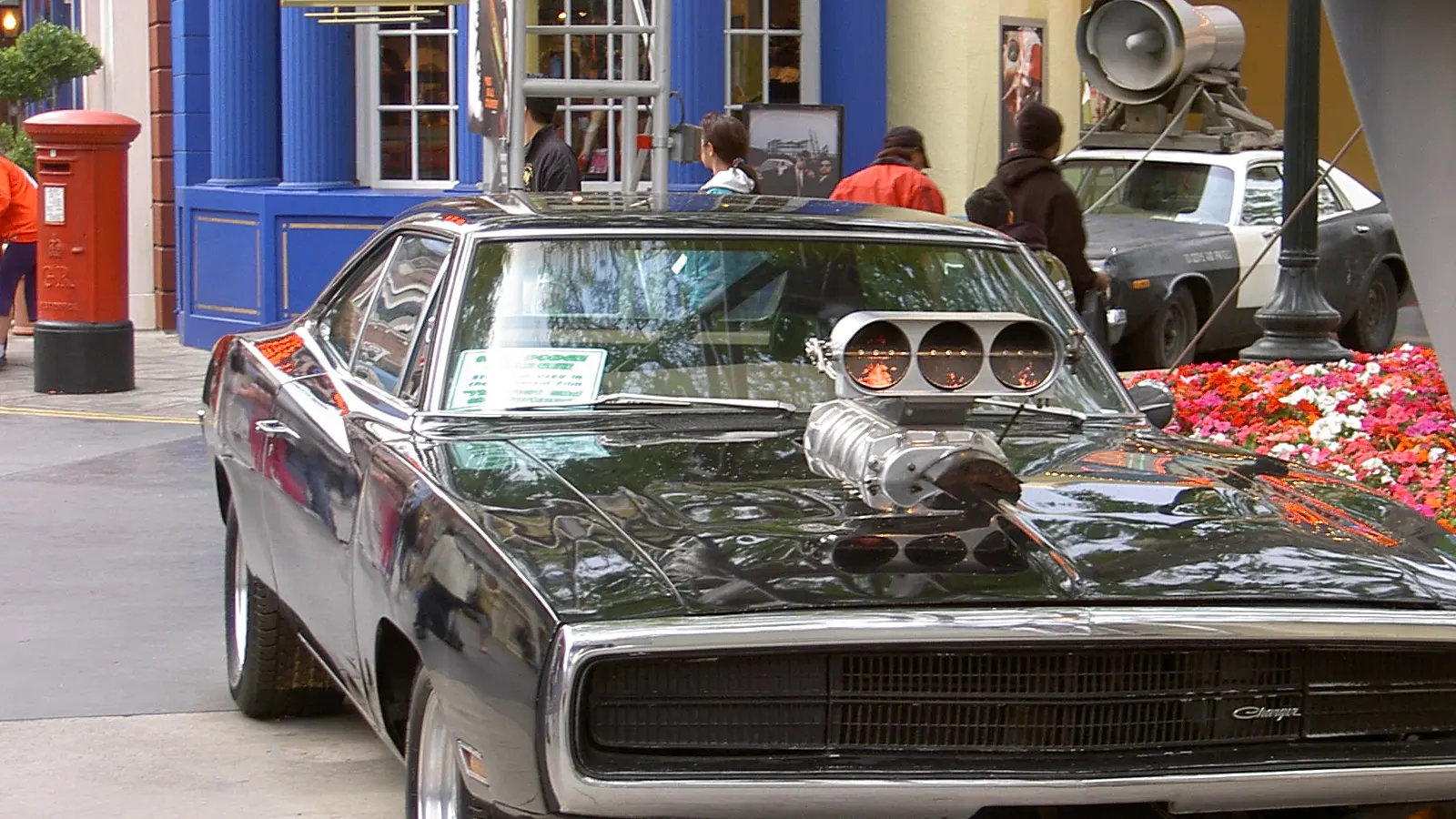
That emotional association matters when the car finally leaves the garage. The movie has taught the audience that this machine carries more than horsepower. Its destruction therefore feels like a loss, not merely another expensive object sacrificed to an action sequence.
The final exchange of keys completes the story on the same small scale. Brian’s decision cannot be separated from the trust he has gained and broken. A car becomes a way of acting on that conflict when further explanation would be inadequate.
The undercover story makes friendship unstable
Paul Walker and Vin Diesel give the relationship different kinds of pressure. Brian is eager and reactive, while Dom makes others wait for an answer. Brian’s professional purpose requires access; his personal feelings make that access increasingly difficult to use.
The screenplay does not need the entire world to be in danger. A shared meal, a conversation in a garage or an invitation into somebody’s home can raise the stakes because Brian knows something the others do not.

The franchise’s later emphasis on family begins here as a problem rather than a slogan. Membership offers protection and loyalty, but it also creates obligations. Brian cannot satisfy every side of his life without somebody paying for the choice.
The DVD made the workshop easier to revisit
The film arrived during the rise of DVD as a household format. Rewatching allowed the objects around the action to become as familiar as the plot: dashboard details, a paint scheme, the arrangement of cars at a gathering.
A disc also offered a different kind of access through extras. Seeing how a sequence was planned or a vehicle prepared could deepen the interest rather than destroy the illusion. The movie’s enthusiasm for construction made its own construction worth exploring.
For viewers who discovered it through a video-store rental, that discovery could happen after the theatrical moment had passed. A weekend at home supplied enough time to turn a new film into a set of favorite scenes.
The later scale changes the first film
Knowing the franchise’s eventual size can make the original seem unexpectedly restrained. Its conflicts fit into streets, rooms and a relatively small social circle. The audience can picture the distance between somebody’s ordinary life and the risk they are taking.
The later films found their own pleasures in larger ensembles and increasingly spectacular operations. That does not erase what the first does well. It makes the earlier balance easier to notice: fantasy remains attached to recognizable objects and vulnerable relationships.

The Los Angeles night photograph illustrates the setting rather than a specific filming moment. Light and darkness matter to the original film’s atmosphere. A familiar urban environment can seem temporarily transformed when the traffic, music and attention converge around one event.
The anniversary edition preserves the period
Universal’s twenty-fifth-anniversary announcement lists an August 25, 2026, home release with a 4K remaster, Dolby Vision, Dolby Atmos and a new retrospective featuring cast and filmmakers. Those are presentation changes and supplementary material, not a remake of the story.
A clearer image does not have to make the film look contemporary. The electronics, clothes and visual effects belong to its time. So does the sense that information about a scene might come from a conversation, a magazine or knowing the right person.
Returning to the original does not require wishing the whole franchise had remained small. It offers a chance to remember why that smallness worked: a race was exciting because a driver could lose something the audience had been given time to understand.