
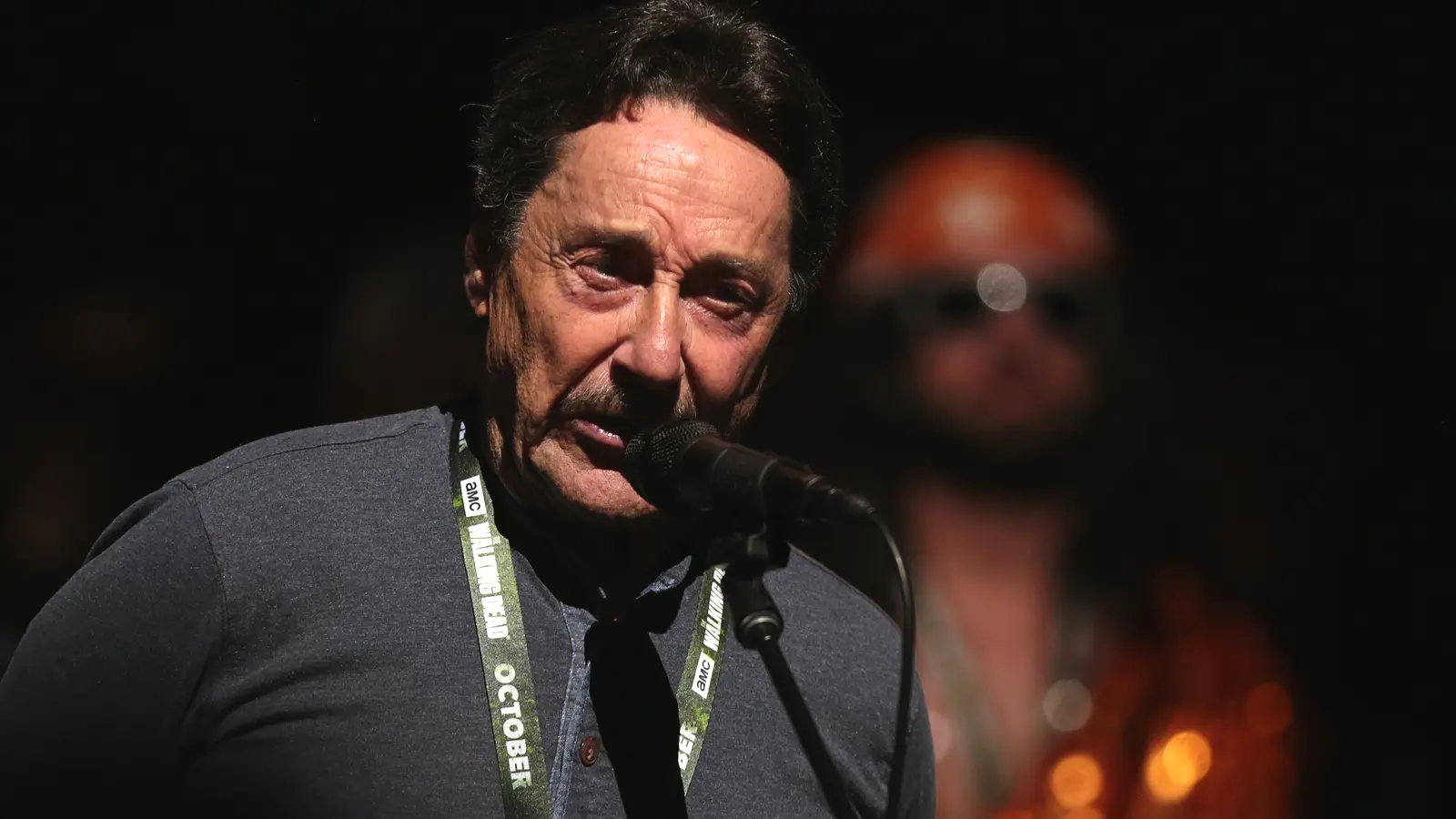
Peter Cullen could make a giant robot sound like the safest person in the room. The depth of the voice helped, but the feeling came from something more specific: patience, restraint and the suggestion that this leader understood the cost of asking others to follow him.
Cullen died on August 26, 2026, at 85. His agent confirmed his death at home in Los Angeles to the Associated Press. For generations who knew his Optimus Prime, the loss reached far beyond one television series.
His performance gave the Transformers leader a moral center that could survive changes in animation, movie technology and the age of the audience listening.
A brother’s advice became the heart of Optimus
In its tribute to Cullen, Hasbro recalled the influence of his older brother Larry, a Marine veteran. Before the 1984 audition, Larry encouraged him to approach heroism through compassion rather than exaggerated toughness.
The instruction included the phrase be strong enough to be gentle
. Cullen carried that idea into Optimus Prime. The character’s authority would come from steadiness and care, not merely a powerful voice announcing that he was in charge.
That choice gave the performance an unusual texture. Even in the middle of an action cartoon, Optimus could sound as though he had considered the people around him before making a decision.
A low register can communicate menace as easily as reassurance. Cullen made the distinction through timing and intention. He gave the words room, and the room made the character feel dependable.

The performance mattered beyond the toy aisle
The Transformers began on television in 1984 as part of a world in which cartoons, toy stores and playground conversations constantly fed one another. A character could move from the screen to a box at Toys “R” Us and then into an adventure on the living-room carpet.
That commercial setting did not prevent an actor from making the character matter. Cullen treated the leader’s responsibility seriously enough that children could take it seriously, too.
For a young viewer, the effect did not require analysis. The situation might be dangerous, but the voice suggested somebody was trying to protect everyone else. That is a different kind of excitement from simply watching the strongest figure win.
It also helps explain why the 1986 animated movie left such a strong impression. The audience’s attachment was already there. A familiar voice had made a machine feel like a person worth trusting.
Calm was part of the technique
Listen to Cullen’s Optimus without concentrating only on the bass. The pauses are doing work. A sentence can begin with gravity, hold its center and arrive at its final instruction without needing to accelerate into a shout.
That pacing gives the character the impression of experience. He sounds as if he has encountered danger before and is deciding what the present moment requires.
The performance can certainly become forceful. Its intensity matters because it is not the only available setting. Quiet lines and battle commands belong to the same person.
This is where imitation becomes difficult. Matching a vocal texture is one challenge; maintaining the character’s sense of responsibility across a scene is another. Cullen’s contribution was an acting choice before it became a recognizable sound.
A familiar voice crossed into a different kind of movie
When the live-action Transformers arrived in 2007, the machines looked radically different from their animated predecessors. Cullen’s return as Optimus offered continuity through all that visual reinvention.
The spectacle could grow louder and more elaborate while the audience still recognized the figure at its center. For returning viewers, hearing him was a direct connection to the earlier series. For newcomers, it was simply the voice that belonged to the character.
That bridge stretched across generations. Someone who had watched a cartoon after school could later bring a child to a Transformers film. Shared recognition did not require both people to have started in the same decade.

Eeyore revealed another kind of gentleness
Cullen’s work as Eeyore in Winnie the Pooh productions provides a revealing contrast. Optimus steadies others by leading them. Eeyore can move an audience through hesitation, resignation and the sense of someone who expects to be overlooked.
The voice is again low, but its emotional direction is different. It settles inward instead of carrying a command across a battlefield.
That difference is part of the craft. An actor cannot build every character from the same kind of weight. The listener has to hear personality in the rhythm, not merely recognize the performer.
Cullen’s career also included KARR in Knight Rider and creature sounds for Predator. Those roles made very different demands, from a threatening machine to a presence communicated without ordinary dialogue.
The recognition finally put the performer in the spotlight
The National Academy of Television Arts & Sciences honored Cullen with a Lifetime Achievement Award at the 2023 Children’s & Family Emmys. The ceremony recognized a career whose results were often far more visible than the person behind them.
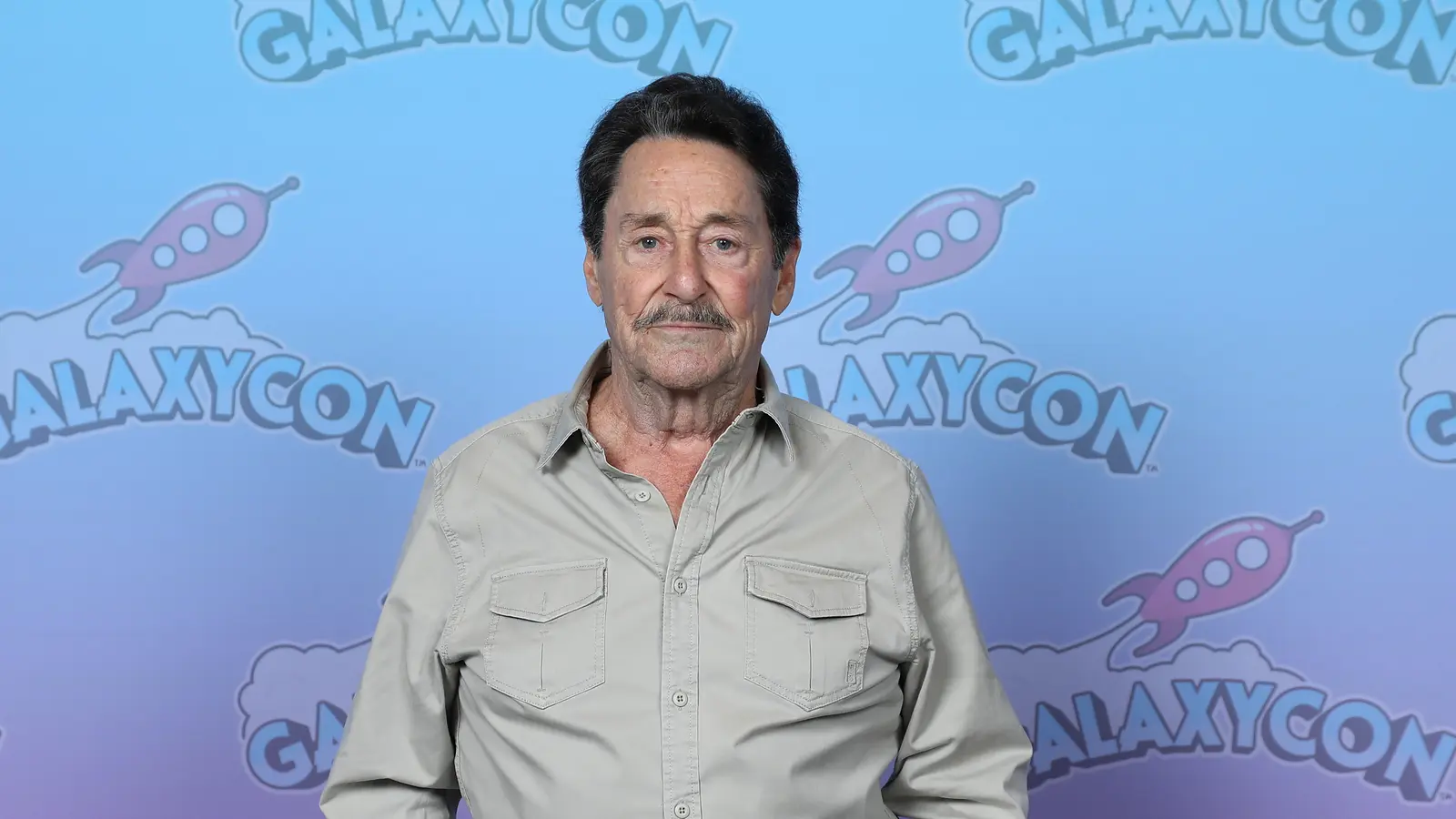
Voice acting has that peculiar relationship with fame. An audience can know a performance intimately without being able to identify the actor in a photograph. Convention appearances and career tributes help reconnect the voice to the work and the person who made it.
What remains is more than a sound
A familiar recording can bring back the room in which you first heard it: the television, the toys nearby, the afternoon that seemed to last much longer than afternoons do now.
But Cullen’s Optimus offers more than that return trip. The performance contains a durable idea about strength: being capable of force does not make force the most important thing about you.
That is why the voice can still work for somebody meeting the character for the first time. The memory is optional. The reassurance is already in the performance.


.jpg)