
Dolly Parton could introduce herself with a joke before anyone had finished deciding what to make of the hair, the rhinestones or the voice. Then a song would reveal how carefully she had been listening to people all along.
Her family announced her death in Nashville on August 25, 2026, at 80. Remembering her means looking beyond any single hit to the connections between her songwriting, screen presence, business decisions and practical generosity.
The music alone would have made an extraordinary career. What makes the larger story distinctive is how often she turned her success into something other people could use.
The songs made a whole life fit inside a few minutes
Parton’s Tennessee childhood supplied material without limiting the audience. A listener did not need to have grown up in the same mountains to understand the family pride in “Coat of Many Colors” or the fear of losing someone in “Jolene.”
Her gift was dramatic compression. A song could establish a person, a problem and an emotional shift with very little wasted movement. Details carried the feeling instead of decorating it.
The Country Music Hall of Fame’s biography traces her rise through The Porter Wagoner Show, which she joined in 1967, and the development of her independent career. In 1974, “Jolene,” “Love Is Like a Butterfly” and “I Will Always Love You” each topped the country chart.
“I Will Always Love You” was connected to her professional parting from Wagoner. That origin gives the song a different shade: affection and gratitude can remain even when staying is no longer the right decision.
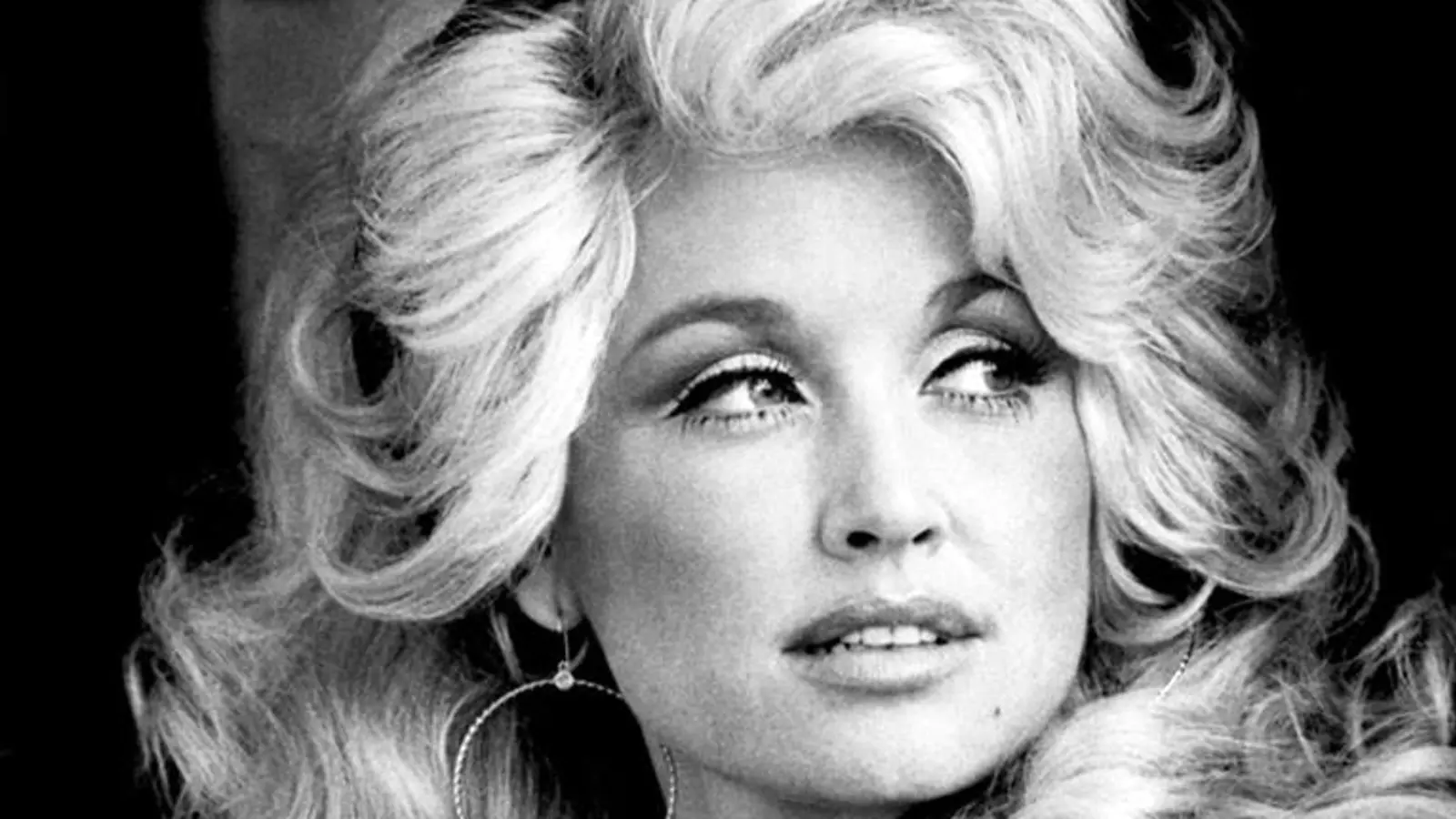
She knew the value of keeping a song
Whitney Houston’s 1992 recording brought “I Will Always Love You” to a vast new audience through The Bodyguard. The song’s author, however, was Parton, who had recorded it long before that version became inseparable from the film.
There had been another possible recording years earlier. As the Recording Academy recounts, Elvis Presley wanted to sing it, but his manager’s demand for half the publishing rights led Parton to decline.
It is a revealing episode because the glamorous opportunity and the lasting value were not the same thing. Saying no meant protecting a composition whose future she could not yet know.
The story also complicates the easy image of an endlessly agreeable star. Warmth did not prevent her from understanding a contract or defending the work that belonged to her.
In 9 to 5, being underestimated became the joke
Parton’s film debut in 9 to 5 in 1980 paired her with Jane Fonda and Lily Tomlin. Her character, Doralee, has to deal with assumptions made about her appearance as well as an abusive boss.
The performance works because Parton can be funny without making Doralee foolish. The audience is invited to notice the gap between how other people judge her and how clearly she understands what is happening.
The title song brings the same clarity to office frustration. Its momentum makes complaint feel communal: the work is exhausting, the imbalance is obvious, and there is energy in recognizing that together.
Her official 1980s timeline also places the film career alongside later work such as Steel Magnolias. Those screen roles gave people another way into her world, including viewers who did not ordinarily listen to country radio.
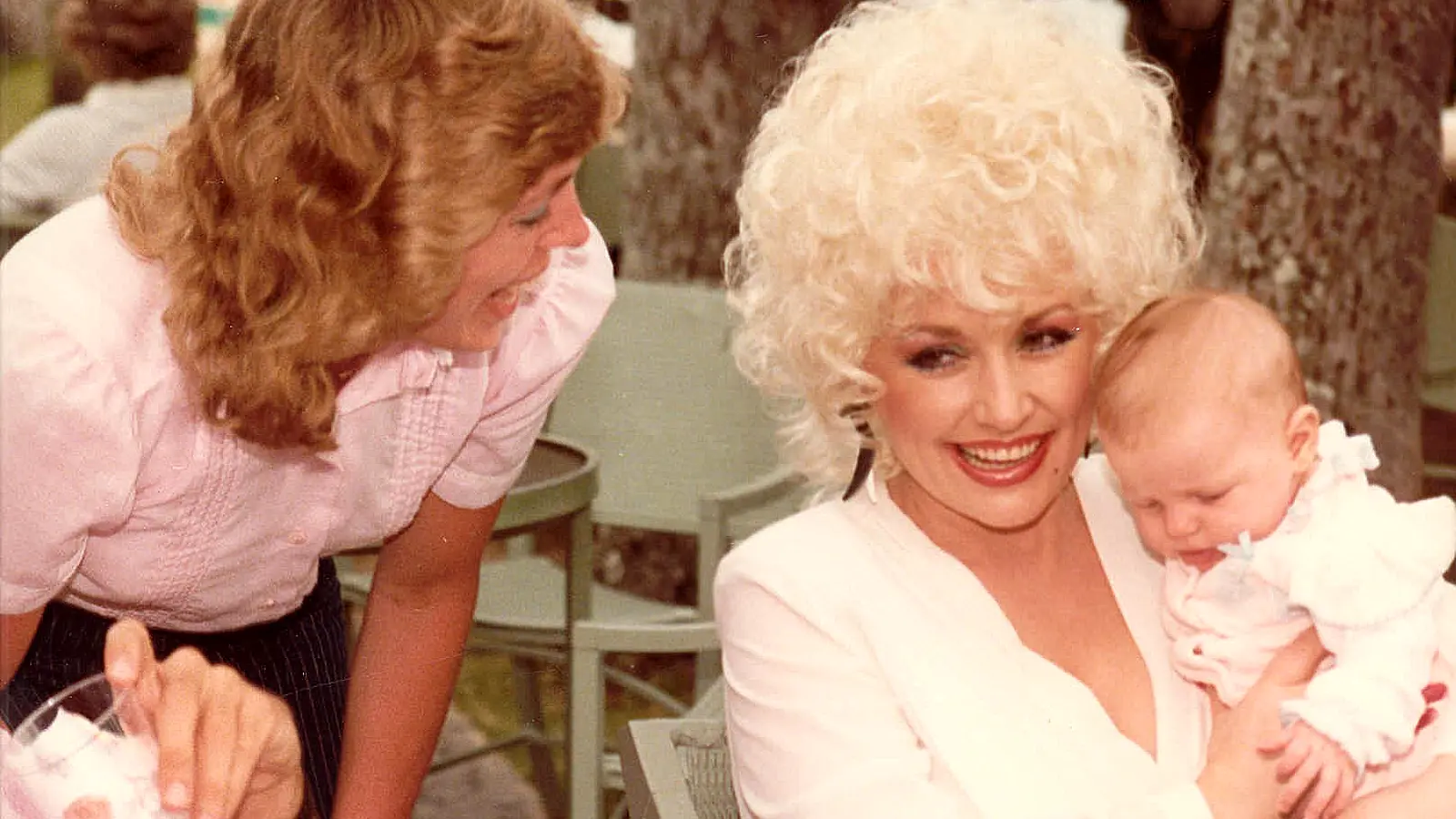
Dollywood made the hometown connection concrete
Many performers use a place of origin as part of their story. Parton attached her name to an enterprise people could visit and work in.
Dollywood’s history dates the park’s first season under that name to 1986, following earlier attractions on the site. Its setting in East Tennessee connected the venture to the region that had shaped her life.
A theme park is entertainment, but it is also infrastructure: buildings, jobs, maintenance, transport and a reason for visitors to spend time in a place. The association with Parton was therefore more substantial than a logo on merchandise.
Her public image operated with similar purpose. The spectacle was deliberate, and she often acknowledged it with humor. Being visibly constructed did not make the persona empty; it gave her a recognizable language in which to present herself.

A book in the mail can be a lasting kind of fame
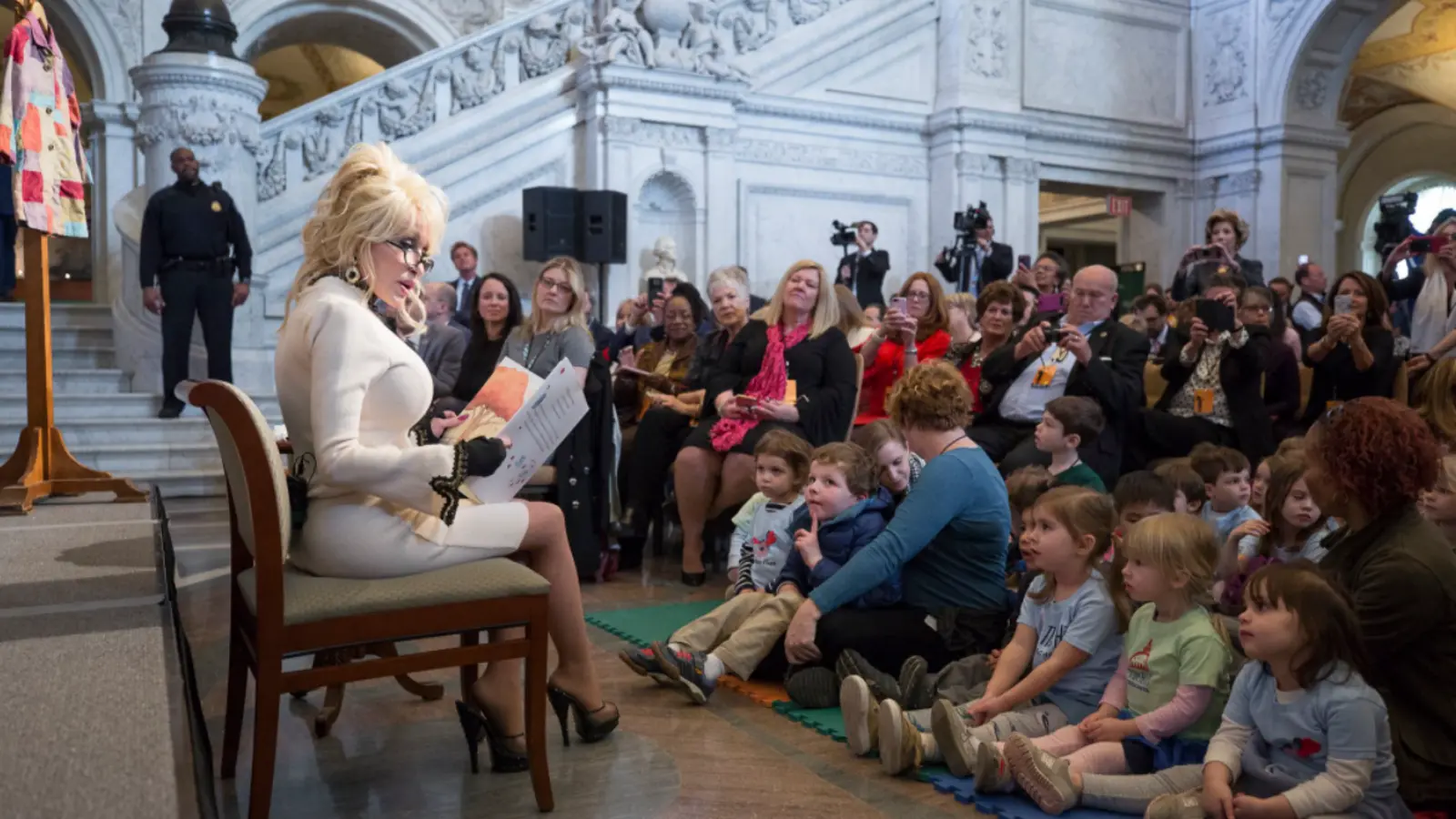
Parton launched the Imagination Library in 1995, inspired by her father’s inability to read and write. It began with young children in her home county and grew into a program operating across five countries.
The idea is wonderfully tangible: send age-appropriate books to enrolled children at home, at no cost to their families. The program’s website describes millions of books being gifted each month, with availability depending on participating local areas.
That last detail matters for families who want to join. The official site has an availability checker; living in a participating country does not automatically mean every address is covered.
A book arriving with a child’s name on it turns reading into an anticipated event. The gift is both an object and an invitation for somebody to sit down and share it.
The generosity did not need a myth attached
In 2020, Parton donated $1 million to Vanderbilt’s COVID-19 Research Fund. Vanderbilt’s account explains that the contribution helped support early vaccine research conducted with Moderna.
That is meaningful without turning it into the inaccurate claim that she invented a vaccine. Funding research and doing the scientific work are different contributions; both can matter.
The same principle applies across the legacy. A clear description of a book program, a business or a song is stronger than an exaggerated legend. The real achievements are already large enough.
There are many ways to meet Dolly Parton
One listener arrives through country music. Another knows the films from VHS movie nights. Somebody else first encounters the name on a book sent to a child.
Those routes need not compete. They reveal how a career can extend beyond the original audience while retaining a recognizable set of concerns: the dignity of people who are underestimated, the value of a story well told and the importance of putting opportunity within reach.
Her recordings remain worth hearing closely. Beneath the immediately recognizable surface, the writing is specific and the emotional decisions are precise. A small detail can carry an entire relationship.
That combination of craft and practical care is the legacy to remember: songs people can inhabit, performances they can return to and books that keep finding their way into homes.