
A red rescue float, a tower above the sand and someone running toward the water: Baywatch could identify itself before a character spoke. That visual clarity helped a California lifeguard drama become a piece of television shorthand far beyond the United States.
The franchise is returning with a new FOX series. As of October 7, 2026, FOX’s press site lists a January premiere, within the announced 2026–27 television season. That means January 2027, not a show already available during its 2026 production year. A more specific day or an international release should not be assumed from that window.
The return raises a better question than whether the red uniforms will survive. What made the original so legible, and which parts of that appeal can still support an actual story?
What is confirmed about the return
Fremantle’s announcement confirmed twelve episodes and a co-production with FOX Entertainment. The plan combines rescues and relationships on the Southern California coast, with original creators among the executive producers.
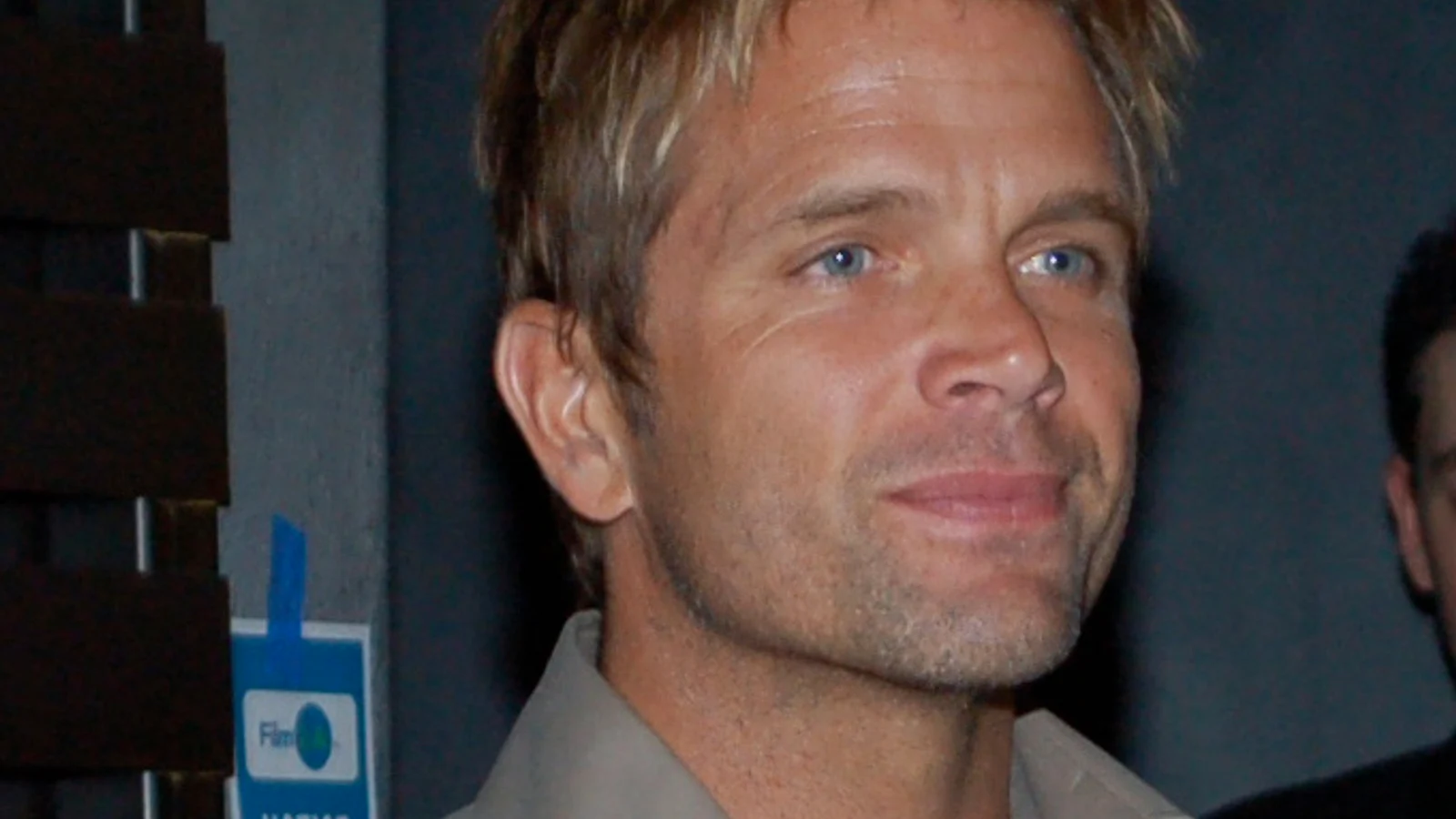
Stephen Amell plays Hobie Buchannon. FOX’s March 2026 production release also lists Jessica Belkin, Shay Mitchell, Hassie Harrison, Thaddeus LaGrone, Noah Beck and Brooks Nader, and confirms David Chokachi’s return as Cody Madison. The same release says filming began that week on Venice Beach and the FOX lot.
Those are production facts, not a verdict on the finished episodes. A familiar name or a recognizable beach can bring someone to a premiere. Keeping that viewer requires characters whose decisions matter after the opening montage ends.

A television image built to travel
A rescue is unusually easy to understand across languages. Someone is in danger; another person notices; the distance between them becomes urgent. The geography can communicate the basic stakes before dialogue supplies a personal complication.
Baywatch surrounded that clarity with a recurring team, romantic problems and a polished picture of coastal life. An episode could offer an emergency and a reason to return for a familiar character. Viewers did not need a glossary of mythology to understand why someone had entered the water.
The series began in 1989, a date recorded in Fremantle’s history of the franchise. Its later international identity can make it seem as though it arrived fully formed as a global institution. In memory, years of episodes, publicity and reruns collapse into one sunny, permanently available afternoon.

The audience claim needs context
Fremantle describes distribution in more than two hundred countries and a peak weekly reach exceeding a billion viewers. These are the rights holder’s scale claims; they should not be presented as a fresh, independently audited count of people watching one episode simultaneously.
International television does not run on one clock. Different markets air different seasons, repeat episodes at different times and measure audiences through different systems. The useful point is the program’s remarkable circulation, rather than the illusion of one enormous synchronized living room.
That distinction also protects viewers’ own memories. Someone who watched dubbed reruns after school did not have the same experience as someone following a new prime-time season. Both experiences belong to the show’s history.
The beach was a workplace disguised as a holiday
The landscape promised leisure. The characters’ job was to pay attention while other people relaxed. That tension gave the setting its usefulness: the same stretch of water could be beautiful in one shot and dangerous in the next.
A lifeguard tower offered a visual shorthand for responsibility. It was a place to watch, wait and notice the small change that turned an ordinary day into an emergency. A rescue worked best when the viewer understood the space and could follow the choices being made.
The glamour sometimes overwhelmed that idea, but it did not entirely replace it. Competence was part of the fantasy. The team could take action when everyone else was uncertain, then return to personal lives that were much less orderly.

Recognition is not the same as a complete memory
David Hasselhoff and Pamela Anderson remain closely associated with the original show’s image. Many viewers can recall a face or an opening sequence much more readily than a particular storyline. That is evidence of powerful branding, but it also creates a problem for a revival.
If the remembered version is mostly an atmosphere, a new series has to create more than a convincing imitation of that atmosphere. Slow motion, music and red fabric can signal the reference. They cannot supply an interesting conflict by themselves.
The original’s emphasis on appearance also deserves an honest revisit. Its camera and publicity often objectified performers. A modern adaptation can preserve the vivid coastal setting while giving its characters fuller interior lives and allowing more than one kind of person to belong on the team.
What a worthwhile revival could recover
The most promising inheritance is a straightforward job with human stakes. Show how the team observes a situation, coordinates a response and handles the consequences. Let relationships grow through the work rather than treating a rescue as decoration between arguments.
Returning characters can help if they carry experience instead of simply arriving for applause. A veteran can recognize a mistake, remember a loss or have to accept that a younger colleague sees something differently. That is a more useful form of continuity than repeating an old line.
For now, the January 2027 window is the concrete point to remember. The original’s place in television history is already secure; the new production still has to make its own case. If the revisit sends you back to the era’s home-viewing habits, our features on VHS and physical movie collections explore how those familiar shows stayed in reach.