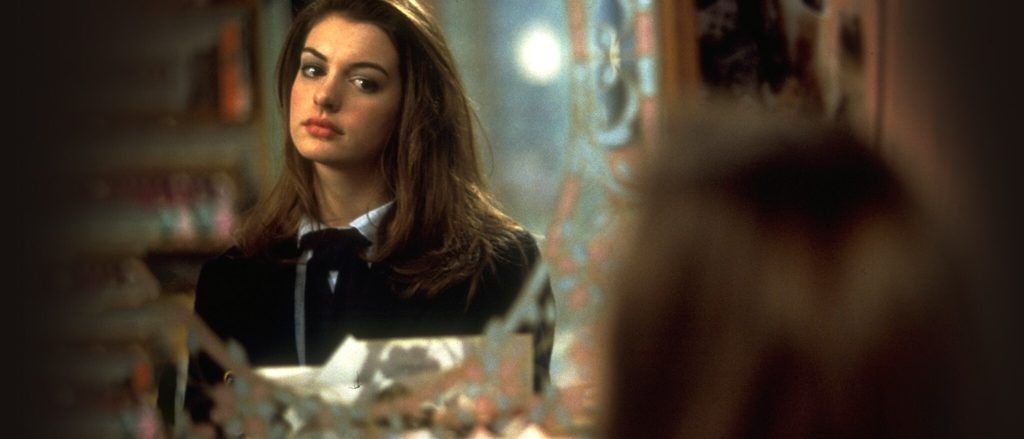
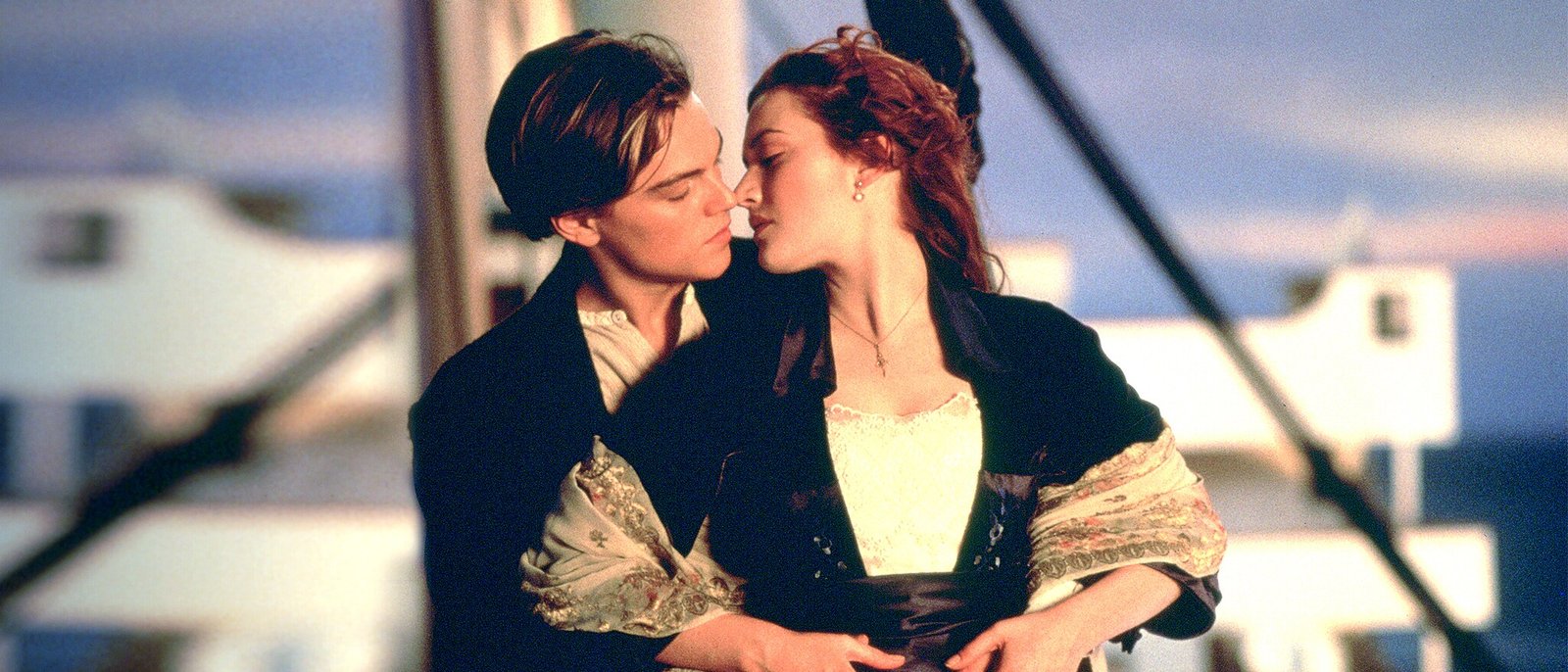
A sinking ocean liner, two men in black suits, a second island full of dinosaurs, a president fighting through his own airplane and James Bond chasing a media baron: the biggest films first released in 1997 made very different promises.
Titanic towers over the numbers, but the rest of the list makes the year more interesting. These were recognizable events with strong images and simple hooks. The audience could understand the invitation before it knew much about the plot.
What this ranking measures
We rank films originally released in 1997 by their reported lifetime worldwide theatrical gross, in nominal U.S. dollars, including later reissues where the source counts them. Figures below come from the individual Box Office Mojo title records checked on October 7, 2026. They are not inflation-adjusted, estimates of profit, or money earned only during the calendar year 1997.
That distinction is essential for Titanic, whose December opening led into an enormous 1998 run. It also excludes the 1997 special edition of Star Wars, a film originally released in 1977. Historical totals can be revised as databases update their records.
| Rank | Film | Worldwide gross |
|---|---|---|
| 1 | Titanic | $2,264,812,968 |
| 2 | The Lost World: Jurassic Park | $618,638,999 |
| 3 | Men in Black | $589,390,539 |
| 4 | Tomorrow Never Dies | $333,011,068 |
| 5 | Air Force One | $315,156,409 |
5. Air Force One: Harrison Ford was the hook
The premise required almost no explanation: hijackers take over the presidential aircraft, and Harrison Ford’s president refuses to become a passive hostage. A familiar star and an unfamiliar version of a familiar place supplied the attraction.
The aircraft turns authority into a physical maze. Corridors, compartments and communications systems become things to navigate or regain. Ford’s screen persona helps the audience accept both halves of the fantasy—the president and the determined man trying to protect his family.
Its fifth-place finish is a reminder that a large action hit did not have to begin with a long-running film franchise. The star could provide much of the recognition. The audience knew the kind of tension his presence promised.

4. Tomorrow Never Dies: a familiar institution facing a new kind of villain
Pierce Brosnan’s second Bond film put the manipulation of news at the center of a deliberately extravagant adventure. The media baron’s plan turns information into a weapon, giving the movie a point of connection with later anxieties even when its gadgets and action remain cheerfully oversized.
Bond’s appeal was international by design: travel, spectacle, a recognizable lead character and the expectation of an elaborate opening. Michelle Yeoh’s Wai Lin adds an especially effective counterweight, a capable partner with priorities of her own.
Opening in the United States on the same day as Titanic makes an irresistible comparison. It should not erase Bond’s own substantial worldwide total. Sharing a release date with an exceptional phenomenon is not the same as failing to find an audience.
3. Men in Black: a world-sized idea with a small, dry joke inside it
Will Smith and Tommy Lee Jones make the enormous seem bureaucratic. Extraterrestrial life becomes a workplace problem: something to register, monitor and clean up before the public notices.
The contrast between enthusiasm and weary experience is the movie’s engine. The creatures and equipment give the world texture, but the performances make it easy to enter. A viewer does not need to understand a complicated mythology to enjoy a new employee discovering that the office is much stranger than expected.

The black suits were an unusually efficient piece of visual identity. They suggested both secrecy and uniformity, leaving room for the personalities inside them to clash. Long after individual plot details fade, the image still communicates the film.
2. The Lost World: Jurassic Park: wonder turns into pursuit
The first Jurassic Park introduced an impossible attraction. The sequel could assume that the audience already understood the dinosaurs and move into a rougher struggle over who would control them.
The trailer hanging over the cliff is the film’s strongest expression of that change. Weight, glass and gravity become as threatening as the animals. The situation keeps getting worse in ways the viewer can follow.
Its huge worldwide total demonstrates the power of returning to a recognizable world, although financial success cannot settle the familiar debate about how it compares with the first film. Box office records demand; a rewatch supplies a different kind of judgment.
1. Titanic: a 1997 film with a much longer financial story
James Cameron combines a doomed historical voyage with a fictional romance that gives the disaster a personal center. The audience knows the ship’s fate, so suspense comes from what the characters will do while time runs out.
The current lifetime figure includes reissues. Box Office Mojo separately records about $1.843 billion for the original release and more than $350 million for the 2012 3D return. Calling the whole $2.265 billion “its 1997 earnings” would therefore be misleading.
The movie’s long life also reflects how well its emotional structure survives foreknowledge. Watching again does not depend on forgetting the outcome. It depends on returning to the moment before the characters understand it.

The ranking cannot measure the rental shelf
A theatrical total is only one record of a film’s place in a decade. Repeated rentals, television broadcasts and worn VHS tapes built familiarity that the table cannot capture.
The films on this list offered five different invitations, then followed audiences home. That variety is what makes the year worth revisiting: a romance could dominate the world while dinosaurs, aliens, spies and a trapped action hero still found room in the same conversation.